

by B Singh January 29, 2026 18 min read

You press the ignition button, expecting a clean, powerful blue flame. Instead, you get a weak hiss, a flicker, or an annoying sputter that feels more like a broken engine than a precision tool. Sound familiar? If you’ve ever owned a torch lighter, chances are you’ve run into this problem at least once. Torch lighters are designed to be reliable, powerful, and efficient, so when they start sputtering, it can feel both confusing and frustrating.

The good news is that a sputtering torch lighter usually isn’t broken. In most cases, it’s simply asking for a little attention. Think of it like a car that hasn’t had an oil change in a while. It still runs, but not smoothly. Sputtering is your lighter’s way of telling you something is off, whether that’s trapped air, dirty components, poor fuel quality, or improper refueling.

Understanding Torch Lighters vs Regular Lighters

Torch lighters are not just a stylistic upgrade; they serve a functional purpose that standard soft-flame lighters simply cannot match. The defining advantage of a torch lighter is its ability to generate an ultra-hot, concentrated flame that can exceed 2,500°F. This intense heat allows for faster, more controlled ignition, especially when precision matters.

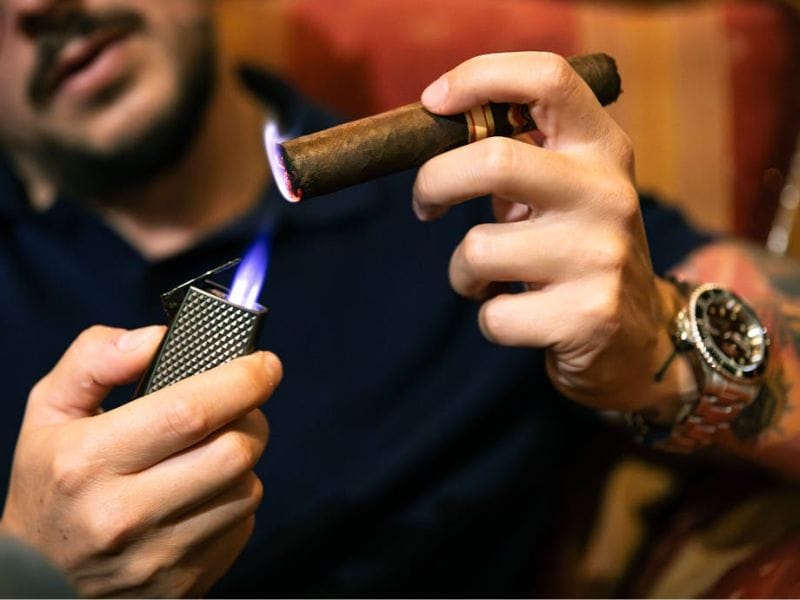
For cigar smokers in particular, this level of heat helps avoid common burn issues such as tunneling (where the cigar burns down the center) or canoeing (where one side burns faster than the other). The controlled jet flame allows you to toast the foot evenly before lighting, creating a stable cherry and improving draw consistency.  Lighting the cigar itself with a torch lighter leads to a faster and more even light, resulting in a smooth burn throughout the smoke.

Another major benefit is reliability in adverse conditions. Wind, humidity, and cold temperatures can easily disrupt a soft flame, but torch lighters are designed to perform in less-than-ideal environments. Whether you’re outdoors, traveling, or dealing with unpredictable weather, a torch lighter provides consistency that other fire sources struggle to deliver, turning a good torch lighter into an essential accessory for every cigar smoker.

Using a Torch Lighter Across Different Use Cases (Beyond Cigars)

Torch lighters are often associated with cigars, but their value extends far beyond cigar smoking. Chefs rely on torch lighters for precise caramelization, melting, and finishing dishes where control and consistency are critical. Outdoor enthusiasts use them for campfires, stoves, and emergency situations because torch flames remain reliable in wind and damp conditions. Even hobbyists, such as those working with heat-shrink tubing or small DIY projects, depend on torch lighters for accuracy.

This versatility matters for maintenance because different use cases stress the lighter differently. Culinary use often exposes the lighter to grease vapors, while outdoor use increases the risk of dust, moisture, and temperature extremes. Recognizing how you use your torch lighter helps you tailor cleaning frequency and storage habits, reducing sputtering and premature wear.

How a Torch Lighter Works

Before you can fix a sputtering torch lighter, it helps to understand what’s actually happening inside it. A torch lighter may look simple from the outside, but internally it’s a carefully balanced system of pressure, fuel, and airflow. When everything is working in harmony, you get that clean, jet-like flame. When something is off—even slightly—you get sputtering.

The Basic Science Behind Torch Lighters

At its core, a torch lighter uses pressurized butane gas. When you press the ignition button, the butane is released through a very small nozzle. As it exits, it mixes with air and ignites, creating a hot, focused flame. The “torch” effect happens because the gas is forced out under pressure and burns in a concentrated stream rather than a soft, candle-like flame.

The key here is balance. Too much air, too little fuel, or inconsistent pressure can all disrupt that flame. Imagine blowing air through a straw into a glass of water. If the airflow isn’t steady, you get bubbles instead of a smooth stream. That’s exactly what sputtering is: inconsistent fuel flow.

Key Components Inside a Torch Lighter

Understanding the main components will make troubleshooting much easier.

Fuel Chamber

This is where the butane is stored under pressure. Over time, air can sneak into this chamber, especially if the lighter isn’t refueled properly. Air inside the fuel chamber is one of the most common causes of sputtering.

Ignition System

Most torch lighters use a piezoelectric ignition system. When you press the button, it creates a spark that ignites the butane. If this system is dirty or worn, ignition may be inconsistent.

Jet Nozzle

The nozzle is incredibly small and precise. Even a tiny amount of dust, lint, or carbon buildup can disrupt the fuel flow, causing the flame to flicker or sputter.

Air Intake and Pressure Regulation

Torch lighters are designed to pull in just the right amount of air to mix with the butane. Any blockage or imbalance here can affect flame stability.

When you understand how these parts work together, it becomes clear why maintenance is so important. A sputtering torch lighter isn’t misbehaving; it’s reacting to an imbalance.

Single-Jet vs Multi-Jet Torch Lighters: Performance Differences

Torch lighters come in a variety of configurations, most commonly single, double, triple, or quadruple jet designs. Each configuration affects flame behavior, fuel consumption, and maintenance needs.

Single-jet torch lighters offer precision and efficiency. They consume less fuel, generate less heat buildup, and are easier to maintain over time. Many experienced users prefer them for controlled lighting.

Multi-jet torch lighters, on the other hand, produce wider and hotter flames. This makes them ideal for larger ring-gauge cigars or faster lighting, but the tradeoff is higher fuel consumption and increased residue buildup. Because more fuel passes through the system, multi-jet lighters often require more frequent bleeding and cleaning to prevent sputtering.

Understanding your jet configuration helps set realistic expectations for maintenance frequency and performance longevity.

Why Does My Torch Lighter Sputter?

Sputtering doesn’t happen randomly. There’s always a reason, and once you know what to look for, diagnosing the problem becomes much easier. Let’s explore the most common causes in detail.

Low or Inconsistent Fuel Pressure

One of the biggest culprits behind sputtering is low fuel pressure. As your lighter runs low on butane, the pressure inside the fuel chamber drops. This causes the gas to flow unevenly, resulting in a flame that flickers, pulses, or sputters. Even if there’s still fuel left, inconsistent pressure can cause problems.

Air Trapped Inside the Fuel Tank

This is arguably the number one reason torch lighters sputter. Air gets trapped inside the tank during improper refueling or over time as the lighter is used. When air mixes with butane in the fuel chamber, it disrupts the flow, causing sputtering and weak flames. Bleeding the lighter is often the cure.

Dirty or Clogged Burner Nozzle

Lint, dust, and carbon buildup are silent troublemakers. A clogged nozzle restricts the flow of butane, making the flame unstable. This is especially common if you carry your lighter in a pocket or use it outdoors.

Poor-Quality Butane Fuel

Not all butane is created equal. Cheap butane often contains impurities that can clog internal components and leave residue behind. Over time, this buildup leads to sputtering and ignition problems.

Worn or Damaged Internal Components

Like anything mechanical, torch lighters wear out. Springs weaken, seals degrade, and valves lose efficiency. While this is less common, it can still cause sputtering, especially in older or heavily used lighters.

Improper Refueling Technique

Refueling a torch lighter the wrong way can introduce air into the system or overfill the tank. Both scenarios can cause sputtering and poor performance.

Environmental Factors

Cold temperatures can reduce butane pressure, while high altitudes affect airflow. Humidity can also interfere with ignition. Sometimes, the lighter isn’t broken—it’s just reacting to its environment.

Signs Your Torch Lighter Needs Maintenance

Your lighter usually gives you warning signs before it completely fails. Paying attention to these clues can save you time and frustration.

Weak Flame or No Flame

A weak flame often indicates low fuel, trapped air, or a dirty nozzle. No flame at all may point to ignition issues.

Flame Flickering or Pulsing

This is classic sputtering behavior and usually means inconsistent fuel flow.

Difficulty Igniting

If you have to press the ignition button multiple times, maintenance is overdue.

Hissing Sounds Without Ignition

This suggests gas is escaping but not igniting properly, often due to air or nozzle blockage.

Fuel Smell or Leakage

This can indicate damaged seals or improper refueling and should be addressed immediately.

Torch Lighter Maintenance Basics

Regular maintenance is the secret to keeping your torch lighter reliable.

How Often Should You Maintain a Torch Lighter?

For regular users, light maintenance every month and deep maintenance every few months is ideal. Occasional users can get away with less frequent care, but neglect always leads to sputtering.

Why You Should Maintain Your Torch Lighter When Fuel Runs Low

Maintenance is most effective when performed before the lighter is completely empty. Allowing fuel to run very low increases the chance of air entering the chamber, which accelerates sputtering issues during refills.

By bleeding and cleaning your torch lighter every time fuel runs low, you:

  • Prevent old fuel from contaminating fresh fuel

  • Minimize trapped air pockets

  • Maintain consistent pressure

  • Extend the life of internal seals and valves

This proactive approach reduces long-term performance issues and keeps the lighter operating at peak efficiency.

Tools and Supplies You’ll Need

  • High-quality butane

  • Small flathead screwdriver or bleed tool

  • Cotton swabs

  • Compressed air

  • Soft cloth

Safety Precautions Before Maintenance

Always work in a well-ventilated area. Make sure the lighter is completely off and cool before starting. Never use open flames during maintenance.

How to Clean a Torch Lighter Properly

Cleaning is one of the most effective ways to fix sputtering.

External Cleaning

Wipe down the outside with a soft cloth to remove dirt and oils. This prevents debris from entering the lighter.

Internal Nozzle Cleaning

Use compressed air to blow out the nozzle. Hold the lighter upside down to prevent pushing debris deeper inside.

Removing Carbon and Debris

A cotton swab lightly dampened with rubbing alcohol can help remove stubborn residue around the burner.

Common Cleaning Mistakes to Avoid

Never insert sharp objects into the nozzle. This can permanently damage it.

How to Bleed a Torch Lighter Correctly

What Does Bleeding a Torch Lighter Mean?

Bleeding removes trapped air from the fuel chamber, restoring proper pressure.

Why Bleeding Fixes Sputtering

Air disrupts fuel flow. Removing it allows butane to flow smoothly again.

Step-by-Step Guide to Bleeding a Torch Lighter

  1. Turn the flame adjustment to the lowest setting.

  2. Hold the lighter upside down.

  3. Press the refill valve with a screwdriver until hissing stops.

  4. Let the lighter rest for a few minutes.

How Often Should You Bleed Your Lighter?

Bleed your lighter every few refuels or whenever sputtering occurs.

How to Refuel a Torch Lighter the Right Way

Photo Credit to Holt's Cigar Company - Butane Lighter Problems & How To Fix Them

Choosing the Best Butane Fuel

Always use high-purity butane. It burns cleaner and reduces clogging.

Understanding Butane Refinement Levels

Not all butane is equal, and “refined” is not just a marketing term. Butane refinement refers to how many times impurities, such as oils and particulate matter, are filtered out during production.

  • Triple-refined butane is considered the baseline for quality torch lighters

  • Quadruple- and quintuple-refined butane offer even cleaner combustion

  • Unrefined or low-refinement butane is more likely to clog jets and valves

Each additional refinement stage removes microscopic contaminants that would otherwise accumulate inside your lighter over time. This directly impacts how often you’ll need to clean the lighter and how long it will last before performance degrades.

If longevity and reliability matter, fuel refinement is just as important as lighter design.

Why Clean Fuel Matters for Odor and Taste

One important angle missing from many lighter guides is how fuel quality affects odor and taste, not just performance. Impurities in low-quality butane don’t always burn cleanly. When residue builds up inside the combustion chamber, it can produce faint chemical odors during ignition.

While these odors may seem harmless, they can subtly affect the experience, especially for cigar smokers, where aroma and flavor are central to enjoyment. A contaminated flame can introduce unwanted smells that interfere with the natural notes of tobacco.

Using highly refined butane reduces residue, burns cleaner, and ensures the flame remains neutral. This is less about mechanics and more about preserving the purity of the experience.

Step-by-Step Refueling Process

  1. Turn the flame adjustment down.

  2. Hold the lighter upside down.

  3. Insert the butane nozzle firmly.

  4. Press for 5–10 seconds.

  5. Repeat if necessary.

Why You Should Not Shake the Butane Can Before Refueling

A commonly overlooked but critical detail is the habit of shaking the butane can before refilling. While shaking feels intuitive, it can actually introduce air bubbles into the fuel stream, which then enter the lighter’s fuel chamber. These air bubbles disrupt pressure balance and are a direct cause of sputtering flames after refueling.

For best results, allow the butane can to rest upright before use. This ensures that liquid butane, not aerated fuel, enters the lighter. This small adjustment significantly improves flame consistency and reduces the need for repeated bleeding.

Fuel Windows and Monitoring Fill Levels

Some torch lighters include a transparent fuel window, while others do not. This seemingly minor feature plays a big role in preventing overfilling—a common cause of sputtering and pressure imbalance.

Fuel windows allow you to visually monitor butane levels and stop refueling at the correct time. Without one, users must rely on tactile feedback, such as resistance or excess butane escaping from the fill valve. Understanding whether your lighter has a fuel window helps prevent accidental overfilling, which can lead to unstable flames and leakage.

Why Letting the Lighter Reach Room Temperature Matters

After refueling, butane inside the lighter is cold due to rapid expansion. Attempting to ignite the lighter immediately can result in weak flames, sputtering, or ignition failure. Allowing the lighter to return to room temperature stabilizes internal pressure and ensures proper vaporization of the fuel.

This step is often skipped but plays a crucial role in post-refueling performance consistency, especially in multi-jet lighters.

How Much Fuel Is Enough?

Stop when fuel begins to spit back or you feel resistance.

Post-Refueling Tip

Let the lighter sit for 5 minutes before ignition.

Common Torch Lighter Problems and Quick Fixes

Even with proper cleaning, bleeding, and refueling, torch lighters can still act up from time to time. The key difference between frustration and an easy fix is knowing what the problem actually means. Think of this section as a troubleshooting map. You notice a symptom, match it to the cause, and apply the solution without guesswork.

Torch Lighter Won’t Ignite

When your torch lighter refuses to ignite, it can feel like it’s completely dead. In reality, this issue is usually one of the easiest to fix. The most common cause is air trapped in the fuel tank, especially if you recently refueled. Air prevents butane from reaching the ignition point in a consistent stream, so even if the spark is there, nothing happens.

Another possibility is a dirty ignition area. Over time, carbon residue builds up around the burner head and spark point. This buildup can block the spark or weaken it enough that ignition becomes unreliable. A quick blast of compressed air followed by gentle cleaning with a cotton swab often brings the lighter back to life.

Finally, check the flame adjustment. Many people unknowingly turn it all the way down, thinking the lighter is broken. Before assuming the worst, slowly increase the flame setting and try again.

Checking and Aligning the Ignition Spark

While many maintenance guides assume the ignition spark is either working or broken, spark alignment is a lesser-known issue that can cause intermittent ignition or delayed lighting. The electrode that delivers the spark must sit close enough to the gas flow for ignition to occur reliably.

If ignition feels inconsistent:

  • Observe the spark in a dim room

  • Check whether the spark lands near the gas outlet

  • Gently realign the electrode if it appears bent or offset

This adjustment does not require replacement parts and can dramatically improve ignition reliability when sputtering is not fuel-related.

When Piezo Ignition Systems Actually Wear Out

Piezo ignition systems are durable, but they are not immortal. Over time, especially with frequent use, the internal piezo crystal can weaken, resulting in a faint or inconsistent spark. This is not always obvious in bright light, which is why spark testing in darker conditions is recommended.

In higher-end torch lighters, piezo components may be replaceable. In lower-cost models, replacement may not be practical. Understanding this limitation helps distinguish between a fixable maintenance issue and normal end-of-life wear.

Flame Too Large or Too Small

An oversized flame usually means the flame adjustment valve is too open or the lighter was overfilled. Overfilling increases internal pressure, which forces more gas through the nozzle than intended. Letting the lighter rest for a few minutes or bleeding a small amount of fuel often fixes this.

A flame that’s too small, on the other hand, points to low fuel levels, clogged nozzles, or low-quality butane. If refueling doesn’t help, cleaning the nozzle is the next logical step.

Detecting and Confirming Gas Leaks Safely

Gas leaks are uncommon but serious. A faint, persistent hissing sound, especially when the lighter is not ignited, can indicate a compromised seal. One reliable way to confirm a leak is the soap solution test: applying soapy water to the refill valve or nozzle and watching for bubbles.

If a leak is confirmed, continued use is unsafe. In most cases, replacement is safer than repair, as internal seals are not designed for user servicing.

Button and Trigger Wear Over Time

The ignition button or trigger is one of the most mechanically stressed parts of a torch lighter. Dust, grime, or internal wear can cause stiffness, incomplete presses, or delayed ignition. Light cleaning around the button area with compressed air often restores smooth operation.

If resistance persists, forcing the mechanism can cause permanent damage. Recognizing early signs of trigger wear helps prevent total failure.

Continuous Sputtering After Maintenance

If your lighter still sputters after cleaning, bleeding, and refueling, don’t panic. This usually means one of three things: lingering air in the tank, internal wear, or poor fuel quality. Bleed the lighter once more, making sure no hissing sound remains. If the problem persists, switch to a higher-purity butane and try again.

When It’s Time to Replace the Lighter

Not all torch lighters are built to last forever. If internal seals wear out or valves fail, repairs may no longer be practical. When sputtering continues despite proper care, replacement may be the safest and most cost-effective option.

When Basic Maintenance Isn’t Enough: Moving from Maintenance to Diagnosis

Most torch lighter problems are solved with cleaning, bleeding, and proper refueling. However, when a lighter has been dropped, heavily used, or poorly manufactured, issues can move beyond routine maintenance and into mechanical misalignment or internal disconnection.

At this stage, symptoms often include:

  • A clear clicking sound with no flame

  • Gas release without ignition

  • Intermittent lighting depending on pressure or angle

These symptoms point to internal alignment issues rather than fuel contamination alone. Understanding this distinction helps prevent endless refilling and bleeding when the real issue is mechanical.

Gas Is Flowing, Spark Is Clicking—Why It Still Won’t Light

A lesser-known failure mode occurs when gas velocity exceeds ignition capability. If the flame adjustment is set too high, the butane can exit the nozzle faster than the spark can ignite it. This is especially common after refilling while the lighter is still warm, leading users to compensate by increasing fuel flow.

Once the lighter cools, ignition fails because the spark cannot sustain combustion at that speed. Reducing the gas flow slightly often restores immediate ignition. This explains why some lighters work briefly and then seem “dead” minutes later.

Why Spark Grounding Is a Common Failure in Metal Torch Lighters

Metal-bodied torch lighters are particularly prone to spark grounding issues. Over time, vibration or impact can cause the ignition wire to touch the lighter’s metal frame instead of arcing toward the gas stream.

When the spark grounds to the body:

  • You may hear a strong click

  • The spark may exist but never reach the gas

  • Ignition becomes inconsistent or impossible

This is one of the most common reasons a lighter “clicks but won’t light” despite having fuel and pressure.

Spark Placement Matters More Than Spark Strength

Ignition reliability depends less on spark strength and more on spark proximity to the gas flow. Even a strong piezo spark will fail if it is not positioned where the butane exits the nozzle.

In working lighters, the spark jumps directly into the gas stream, not just near it. Misalignment of even a few millimeters can cause intermittent ignition that worsens over time. This explains why some lighters work only when tilted or pressed at certain angles.

Internal Gas Line Slippage: A Hidden Cause of Total Failure

Inside many torch lighters is a short flexible gas line connecting the fuel reservoir to the nozzle assembly. A hard drop or repeated heat expansion can cause this line to partially or fully slip off its seating.

When this happens:

  • Gas may leak internally instead of reaching the nozzle

  • You may hear faint gas movement without visible flame

  • The lighter may briefly flare or fail silently

This issue cannot be resolved through external maintenance alone. It explains why some lighters suddenly stop working despite being full, clean, and properly bled.

Recognizing Internal Leaks Without Opening the Lighter

Not all internal problems require disassembly to diagnose. One telltale sign of internal gas leakage is visible distortion in the air, often described as heat shimmer, when gas is escaping inside the casing rather than at the nozzle.

This phenomenon indicates gas movement without combustion and points to:

  • Detached internal gas lines

  • Cracked tubing

  • Loose valve connections

At this stage, continued use is unsafe, and replacement is usually the correct decision.

Nozzle Blockage That Causes Sudden Flame Bursts

A partially clogged nozzle can cause a dangerous-sounding symptom: the lighter briefly bursts into flame and then extinguishes itself. This happens when pressure builds behind a blockage and suddenly releases.

This is different from simple sputtering and indicates a restriction severe enough to cause delayed ignition. Clearing the nozzle resolves this, but repeated occurrences suggest long-term residue damage.

When Adjustment Alone Fixes What Looks Like a Major Failure

Not all dramatic symptoms require major fixes. A flame that:

  • Will not stay lit

  • Drops below the nozzle

  • Sputters only at ignition

may simply be set too low. Conversely, sputtering that improves when pressure is reduced indicates the flame was previously set too high. Recognizing this prevents unnecessary repairs and part replacement.

Pro Tips to Prevent Torch Lighter Sputtering

Preventing sputtering is far easier than fixing it. With a few smart habits, you can keep your torch lighter running smoothly for years.

Proper Storage Habits

Always store your lighter in a clean, dry place. Avoid leaving it in your pocket, where lint and dust can clog the nozzle. Extreme heat or cold can also affect internal pressure, so don’t leave your lighter in a car for long periods.  For torch lighters, proper storage is a must.

Managing Heat Buildup and Overuse

One factor rarely discussed in lighter maintenance is thermal fatigue. Continuous ignition without rest can overheat internal valves and seals, temporarily disrupting fuel flow. This often presents as sputtering after prolonged use, even when the lighter is clean and properly fueled.

Best practice is to:

  • Use the lighter in short bursts

  • Allow cooling time between ignitions

  • Stop using the lighter feels warm to the touch

Managing heat buildup protects internal components and preserves consistent pressure regulation.

Cold-Related Valve Freezing and Pressure Lock

In cold environments, butane pressure drops significantly, and valves can temporarily freeze or lock. This can make the lighter feel unresponsive or weak, even when full. Allowing the lighter to warm to room temperature usually resolves the issue without further intervention.

Rapid heating and cooling cycles, such as repeated ignitions in cold weather, can worsen this effect. Gradual warming and moderated use help prevent pressure-related malfunctions. 

Humidity as a Hidden Cause of Weak or Missing Sparks

High humidity can interfere with spark generation, particularly in piezo ignition systems. Moisture buildup may not be visible but can weaken or short the spark path. Drying the lighter naturally in a low-humidity environment often restores full functionality.

For long-term prevention, storing the lighter in a dry area or near moisture-absorbing materials helps protect the ignition system.

Using the Lighter Correctly

Avoid holding the ignition button down for extended periods. This can overheat internal components and accelerate wear. Use short, controlled ignitions whenever possible.

Regular Maintenance Schedule

A simple routine makes all the difference:

  • Light cleaning once a month

  • Bleeding every few refuels

  • Deep cleaning every few months

Think of it like brushing your teeth. It’s quick, easy, and prevents bigger problems down the line.

Avoiding Cheap Fuel and Accessories

Low-quality butane is one of the biggest enemies of torch lighters. Spending a little extra on refined fuel saves you money and frustration in the long run.

Torch Lighter Maintenance Checklist

A checklist keeps maintenance simple and consistent, especially if you use your lighter frequently.

Monthly Maintenance Routine

  • Wipe exterior with a soft cloth

  • Blow compressed air through the nozzle

  • Check flame adjustment

Occasional Deep Cleaning

  • Clean burner head with alcohol

  • Bleed air from the tank

  • Inspect for visible damage

Long-Term Care Tips

  • Use only high-purity butane

  • Avoid overfilling

  • Store properly when not in use

Following this checklist dramatically reduces sputtering issues and extends the life of your lighter.

Knowing When a Torch Lighter Is No Longer Economical to Repair

While many torch lighter issues are fixable, not all repairs make sense. Persistent leaks, stripped adjustment wheels, or failed ignition systems often signal that replacement is the safer and more cost-effective choice. Understanding this boundary prevents wasted effort and potential safety risks.

A well-maintained torch lighter can last years, but knowing when to retire one is part of responsible ownership.

Maintenance vs Repair: Knowing the Line

Maintenance fixes performance issues. Repair addresses mechanical failure. Once a torch lighter crosses from maintenance problems into structural or ignition-system faults, continued use carries increasing risk.

Keep Your Torch Lighter Working Like New

A sputtering torch lighter isn’t a sign of failure; it’s a call for attention. Most problems come down to simple issues like trapped air, dirty nozzles, or improper refueling. Once you understand how your lighter works, fixing it becomes straightforward and even satisfying.

By cleaning regularly, bleeding trapped air, using quality butane, and refueling correctly, you can restore that powerful, steady flame you expect. Treat your torch lighter like the precision tool it is, and it will reward you with reliability every time you press the ignition button.  Turning every smoke into a smooth, clean, and flawless experience.

If you’re already taking better care of your lighter, it’s a good moment to level up the rest of your setup too. I always recommend browsing our curated collections of cigar humidor cabinets, cigar humidor humidifiers, air purifiers smoke eaters, and everyday cigar accessories to keep the entire experience smooth, clean, and dialed in.

Frequently Asked Questions

1. Why does my torch lighter sputter even after refueling?

This usually happens because air is trapped in the fuel tank. Bleeding the lighter removes the air and restores consistent fuel flow.

2. Can I fix a sputtering torch lighter permanently?

Yes, in most cases. Regular maintenance, proper fuel, and correct refueling techniques prevent sputtering long-term.

3. Is sputtering dangerous?

Sputtering itself isn’t usually dangerous, but it can indicate leaks or pressure issues. Always address it promptly.

4. How long should a torch lighter last?

With proper care, a quality torch lighter can last several years. Cheap models may fail much sooner.

5. What is the best butane fuel for torch lighters?

High-purity, refined butane is best. It burns cleaner and minimizes internal buildup.

Ben Singh
Ben Singh

Ben Singh is recognized as a trusted voice in the cigar world, known for his hands-on work with humidors, humidifiers, and smoke control solutions. Since 2015, he’s helped shape how collectors, lounges, and retailers store and protect their cigars. Ben’s design input, honest reviews, and presence at major cigar shows have earned him respect from industry pros and fellow enthusiasts alike.

Leave a comment

Comments will be approved before showing up.