
by B Singh December 19, 2025 12 min read

Walking into a cigar shop for the first time can feel overwhelming. Rows of cigars in different shapes, sizes, and colors stare back at you like books written in a language you don’t yet speak. Thick ones, thin ones, dark wrappers, light wrappers—how do you even begin to choose? Here’s the truth most beginners don’t hear: cigars are not complicated, but they are nuanced. Once you understand the fundamentals, everything starts to make sense.

Cigars aren’t just tobacco rolled into a tube. They are agricultural products, handmade luxury items, and cultural artifacts all at once. Every cigar tells a story through its shape, size, wrapper color, and blend. Two cigars can look nearly identical yet smoke completely differently. That’s why understanding cigar types isn’t about memorizing names—it’s about learning how each characteristic influences flavor, burn, strength, and enjoyment.

This guide is designed to take you from curious observer to confident cigar smoker. We’ll break down cigar shapes, explain sizes and ring gauge, explore classic and rare formats, and decode wrapper colors from the lightest green to jet black. Whether you’re a beginner or someone looking to deepen your appreciation, this article gives you the complete foundation needed to choose cigars intelligently—and enjoy them more fully.

How Cigars Are Measured: Length and Ring Gauge Explained

Before diving into cigar shapes, it’s critical to understand how cigars are measured. Cigars are defined by two dimensions only: length and ring gauge. Together, these two numbers tell you how long the cigar will smoke and how thick it will feel in your hand.

Length is measured in inches and gives you a rough idea of smoking time. A 4-inch cigar might last 30 to 40 minutes, while an 8-inch cigar can easily stretch beyond two hours. However, length alone doesn’t determine strength or flavor—it simply affects duration.

Ring gauge measures the cigar’s diameter and is expressed in 64ths of an inch. For example, a cigar with a 42 ring gauge is exactly 42/64 of an inch thick. The larger the ring gauge, the thicker the cigar. Thick cigars burn cooler and slower, while thin cigars tend to burn hotter and faster.

One critical misconception needs to be cleared up: there is no direct relationship between size and strength. A long, thick cigar can be mild, and a short, thin cigar can be extremely powerful. Strength comes from the tobacco itself, not the cigar’s dimensions. However, thinner cigars often feel sharper because they burn hotter, which can intensify flavors.

Cigars by Smoking Session Duration (Time-Based Classification)

One important way many cigar smokers subconsciously choose cigars—but few articles explain clearly—is by how much time they have to smoke. While size and ring gauge affect flavor and burn temperature, they also strongly influence session length, which matters just as much as strength or taste.

Understanding cigars by smoking duration helps beginners avoid rushed experiences and allows seasoned smokers to match cigars to real-life moments. Not every cigar fits every schedule, and forcing a long cigar into a short window often leads to uneven burns and poor enjoyment.

Short Smoking Sessions (10–20 Minutes)

These cigars are ideal for quick breaks or casual moments when time is limited.

  • Cigarillos
    Typically 3–4 inches long, cigarillos provide a brief but flavorful experience. They are often slimmer, burn faster, and deliver a straightforward flavor profile. While many are machine-made, premium handmade cigarillos exist and can serve as an excellent entry point for beginners.

Short-session cigars emphasize convenience over complexity but are perfect for maintaining the ritual without a large commitment.

Medium Smoking Sessions (30–45 Minutes)

This is the most popular category among everyday cigar smokers.

  • Petit Coronas

  • Robustos

  • Short Toros

These cigars provide a complete experience with noticeable transitions, balanced nicotine delivery, and satisfying finishes. For beginners, this duration offers enough time to learn how a cigar develops without becoming overwhelming.

Long Smoking Sessions (60–120+ Minutes)

Long-format cigars are meant for relaxed, uninterrupted time.

  • Toros

  • Churchills

  • Double Coronas

  • Diademas and Salomones

These cigars allow blends to evolve slowly, often revealing layered complexity that shorter cigars can’t fully express. They reward patience and attention and are best enjoyed when you’re not watching the clock.

Cigar Shapes: Why Shape Matters More Than You Think

Cigar shape isn’t just about appearance—it affects draw, burn, flavor delivery, and even how smoke hits your palate. Broadly speaking, cigars fall into two families: parejos and figurados.

Parejos are straight-sided cigars with a uniform cylindrical shape. They usually have an open foot and a rounded head that must be cut before smoking. These are the most common cigars on the market and are considered the standard by which all others are judged.

Figurados are any cigars that deviate from a straight cylinder. They may have tapered heads, closed feet, bulges, twists, or curves. These cigars require more skill to roll and are often considered more expressive and complex, though they can be trickier to smoke.

Understanding cigar shapes helps you predict how a cigar will behave once lit. Some shapes concentrate flavor, others encourage gradual transitions, and some exist mainly to showcase the artistry of the cigar maker.

Parejo Cigars: The Classic Straight-Sided Formats

Parejos form the backbone of the cigar world. If cigars had a “default setting,” this would be it. While brands vary widely, the following parejo formats are considered industry benchmarks.

Corona: The Industry Standard

The corona is the reference point against which many other cigar sizes are compared. Traditionally measuring 5½ to 6 inches long with a 42–44 ring gauge, the corona offers balance in every sense. It’s long enough to show flavor transitions but slim enough to highlight wrapper characteristics.

Coronas are often used by cigar makers to showcase the purest expression of a blend. Because there’s less filler tobacco than in thicker cigars, flavors tend to be more focused and refined. For smokers who value elegance over power, the corona remains timeless.

Petit Corona: Small but Serious

A petit corona is essentially a shorter version of the classic corona, usually around 4½ inches long with a 40–42 ring gauge. Despite its smaller size, it delivers a full cigar experience in a shorter time frame.

These cigars are ideal for quick sessions without sacrificing complexity. Many seasoned smokers love petit coronas because they offer intensity and precision without a long commitment.

Cigarillos: A Distinct Category Worth Understanding

While often grouped loosely with cigars, cigarillos deserve special mention because they fill a unique niche. Many guides skip them or treat them as an afterthought, but they play a meaningful role in the cigar ecosystem.

Cigarillos are smaller than traditional cigars and larger than cigarettes, typically offering 10–15 minutes of smoking time. They are popular among beginners because they’re less intimidating, easier to handle, and require no cutting.

Flavor-wise, cigarillos tend to be simpler and more direct. They don’t usually offer dramatic transitions, but they introduce core tobacco flavors in a low-commitment format. For smokers who want convenience without fully abandoning cigar tradition, cigarillos are a practical option.

Churchill: Long, Leisurely, and Refined

The Churchill is a large-format parejo, traditionally measuring 7 inches long with a 47 ring gauge. Named after Winston Churchill, this size is designed for extended, relaxed smoking.

Churchills allow flavors to unfold slowly, making them perfect for evenings when time isn’t a concern. Because of their length, they often feel smoother and more layered than shorter cigars.

Robusto: Short, Thick, and Popular

The robusto has become one of the most popular cigar sizes in the world. Typically measuring 4¾ to 5½ inches long with a 48–52 ring gauge, it offers a rich, satisfying smoke without excessive length.

Robustos burn cool, produce thick smoke, and emphasize filler flavors. They’re perfect for smokers who want bold taste in a manageable time window.

Corona Gorda (Toro): The Modern Favorite

Often referred to today as a toro, the corona gorda traditionally measures 5⅝ inches by 46 ring gauge, though modern versions often reach 6 inches by 50 ring gauge.

This format balances length and thickness beautifully, making it one of the most versatile cigar sizes available. It’s ideal for showcasing complex blends and has become a staple in nearly every premium cigar line.

Double Corona: The Disappearing Giant

Double coronas are large cigars, traditionally measuring 7½ to 8½ inches with a 49–52 ring gauge. Once common, they’ve become increasingly rare outside the Cuban cigar world.

These cigars demand patience and are best suited for experienced smokers who enjoy long, evolving smokes.

Panetela and Lancero: Long and Elegant

Panetelas are long, thin cigars, usually 5 to 7½ inches long with a 34–38 ring gauge. Many feature pigtail caps and emphasize wrapper flavor.

The lancero, a prized subset, is thinner and more refined. These cigars are beloved by connoisseurs because they highlight subtlety and craftsmanship.

Lonsdale: The Balanced Classic

A lonsdale typically measures 6½ inches by 42 ring gauge, sitting neatly between a corona and a panetela. It offers elegance, balance, and excellent flavor clarity.

Grande: The Era of Big Ring Gauges

Grandes are thick cigars with ring gauges of 60 and above, sometimes reaching 70 or more. To qualify, they usually measure at least 4¾ inches long.

Once considered a fad, these cigars are now mainstream. They burn cool and slowly, producing massive smoke and emphasizing filler-driven flavors.

Figurado Cigars: Creative Shapes with Evolving Flavor

While parejos are the foundation of cigar smoking, figurados are where artistry and complexity truly shine. Figurados are any cigars that are not straight-sided cylinders, and they often feature tapered heads, tapered feet, or unusual silhouettes. These shapes are more difficult to roll, which is why they’re often associated with premium craftsmanship and limited production.

The reason many experienced smokers gravitate toward figurados is simple: shape influences how smoke enters your mouth. A tapered head concentrates smoke, intensifying flavors and creating a more focused tasting experience. Figurados also tend to evolve more dramatically throughout the smoke, offering noticeable transitions from beginning to end.

Pyramid: The Flavor Concentrator

Pyramids have a broad foot and a sharply tapered head, with a cut foot like a parejo. They usually measure 6 to 7 inches in length, with a ring gauge that narrows from around 52–54 at the foot to about 40 at the head.

This narrowing point is what makes pyramids special. As smoke passes through the tapered head, flavors become more concentrated, allowing subtle notes to meld together on the palate. Pyramids often start mild and gradually build in strength, making them ideal for smokers who enjoy a dynamic, layered experience.

Belicoso: Short, Bold, and Expressive

Traditional belicosos are essentially short pyramids, often with a slightly rounded taper at the head. They usually measure 5 to 5½ inches long with a ring gauge around 50.

Modern interpretations of the belicoso vary widely. Some are coronas or toros with tapered heads, while others are compact “mini-belicosos.” What defines them is the pointed head, which delivers a rich, focused draw and bold flavor.

Torpedo: The Sharper Point

Torpedoes are closely related to pyramids, but the term usually implies a sharper, more pronounced taper. There is no strict size standard for torpedoes, which gives cigar makers creative freedom.

In practical terms, torpedoes offer even more flavor concentration than pyramids. The sharper point intensifies smoke delivery, making them popular among smokers who enjoy spice and complexity.

Perfecto: Tapered at Both Ends

Perfectos are among the most technically challenging cigars to roll. They feature a tapered head and tapered foot, often with a bulge in the middle. Sizes vary dramatically, from small, stout versions to longer, more elegant forms.

Lighting a perfecto requires patience, as the closed foot must be gently toasted before it opens up. Once lit, the cigar typically starts mild and builds gradually, offering a smooth and evolving profile.

Culebra: The Braided Curiosity

The culebra is one of the most visually striking cigar shapes ever created. It consists of three thin panetelas braided together and tied with string, sold as a single cigar.

Usually measuring 5 to 6 inches long with a 38 ring gauge, culebras are meant to be unbraided and smoked separately. They’re rare today and often used as conversation pieces. Smoking a culebra is less about power and more about tradition and novelty, making it a perfect cigar to share with friends.

Diadema and Salomon: The Grand Figurados

Diademas are large figurados with tapered heads and feet, often exceeding 8 inches in length. The Salomon is the most famous example of this category.

All Salomones are diademas, but not all diademas are Salomones. These cigars are dramatic, slow-burning, and complex, best reserved for special occasions and experienced smokers.

Cigar Wrapper Colors: Understanding the Visual Language of Cigars

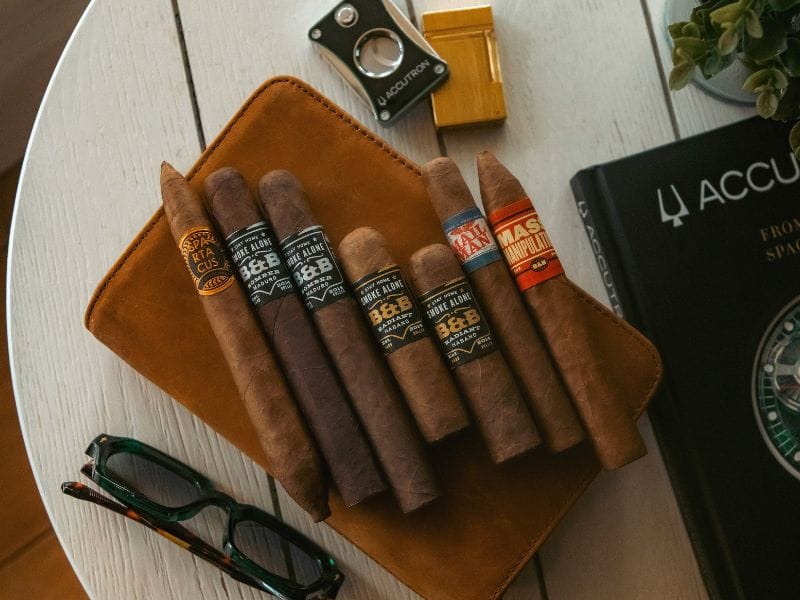
One of the most overlooked aspects of cigars is wrapper color. Wrapper color doesn’t just affect appearance—it often hints at flavor, fermentation style, and smoking character. While there are countless shades, wrapper colors are traditionally grouped into seven core categories, ranging from the lightest green to jet black.

A helpful way to remember the spectrum is to think of Colorado as the center point, much like the state sits near the center of the United States. Colors lighter than Colorado move toward green and tan, while darker shades progress toward maduro and oscuro.

Wrapper color is influenced by tobacco seed strain, fermentation time, curing methods, and sunlight exposure. Sun-grown wrappers tend to be darker and thicker, while shade-grown wrappers are lighter and more delicate.

Double Claro (Candela): The Green Wrapper

Double claro, often called candela, is the lightest wrapper color. It has a distinct green hue, created by a rapid heat-drying process that locks in chlorophyll.

Once extremely popular in the United States, candela wrappers are now relatively rare. Flavor-wise, they are light, grassy, and slightly vegetal, allowing filler flavors to dominate. These cigars are mild and refreshing, making them ideal for daytime smoking.

Claro: Light Tan and Subtle

Claro wrappers are light tan in color, typically achieved through shade-growing and early harvesting. They’re air-dried and lightly fermented, resulting in a mild, neutral wrapper.

Claro wrappers contribute very little flavor of their own, acting more like a canvas that lets the filler tobaccos shine. These cigars are often smooth, delicate, and approachable.

Colorado Claro: Light Reddish-Brown

Colorado claro wrappers are light reddish-brown and often sun-grown. They’re allowed to mature longer on the plant, which adds depth and richness.

These wrappers offer a noticeable step up in flavor, introducing mild sweetness, wood, and gentle spice without overwhelming the palate.

Colorado: The Center of the Spectrum

Colorado wrappers sit at the heart of the color scale. They range from medium brown to brownish-red and are often shade-grown.

Flavor-wise, Colorado wrappers are balanced, aromatic, and nuanced. They’re full-flavored without being aggressive, making them extremely versatile and widely loved.

Colorado Maduro: The Bridge Shade

Colorado maduro is darker than Colorado but lighter than true maduro. It represents a transitional shade and often combines sweetness with restrained strength.

These wrappers deliver richness without heaviness, offering a satisfying middle ground for smokers who enjoy depth but not overpowering intensity.

Maduro: Dark, Sweet, and Rich

Maduro wrappers range from deep reddish-brown to nearly black. The term “maduro” means mature, referring to extended fermentation or special heat processes.

Maduro wrappers contribute bold flavors like chocolate, molasses, coffee, and dried fruit. Contrary to popular belief, maduros are not always strong in nicotine—they’re often sweet, smooth, and full-bodied in flavor.

Oscuro: Black and Powerful

Oscuro is the darkest wrapper category, often black as night. These wrappers are made from upper-plant leaves, left on the stalk longer, and fermented extensively.

Often Brazilian or Mexican in origin, oscuro wrappers are rough in texture and intensely flavorful. They deliver deep, earthy, sometimes bittersweet notes and are best enjoyed by experienced smokers.

Strength vs Flavor: Clearing the Confusion

One of the biggest mistakes cigar smokers make is confusing strength with flavor. Strength refers to nicotine impact, while flavor refers to taste intensity and complexity.

A cigar can be mild in strength but rich in flavor, or strong in nicotine but simple in taste. Wrapper color does not automatically determine strength, and size doesn’t dictate power either. Tobacco selection and blending are what truly matter.

Understanding this distinction allows you to choose cigars based on enjoyment rather than assumption.

Lifestyle Factors That Influence Cigar Choice

Beyond flavor and strength, real-world considerations often dictate which cigars people actually smoke. Addressing these factors adds practical depth and improves reader trust.

Budget Considerations

Cigars range from budget-friendly to luxury items. Price is influenced by tobacco origin, aging, craftsmanship, and scarcity. Smokers on a budget often gravitate toward:

  • Smaller vitolas

  • Honduran or Dominican blends

  • Non-limited production cigars

Understanding price-to-value helps readers make smarter buying decisions without sacrificing enjoyment.

Smoking Environment

Where you smoke matters.

  • Windy environments favor thicker ring gauges

  • Short breaks favor compact cigars

  • Social settings often favor milder profiles

Matching cigars to environments prevents frustration and improves consistency.

Drink Pairing Awareness (Brief but Valuable Context)

While not a full pairing guide, acknowledging beverage pairing adds sophistication and authority.

Just like wine complements food, drinks can elevate cigars. Coffee often enhances mild cigars, while bourbon, rum, or aged spirits pair beautifully with fuller-bodied blends. Encouraging readers to experiment enhances engagement and dwell time.

Industry Trends and Innovation (Authority Booster Section)

Modern cigar culture isn’t static, and acknowledging this positions your article as current and relevant.

In recent years, the cigar industry has seen:

  • A rise in boutique and small-batch brands

  • Increased use of aged and experimental tobaccos

  • Greater blending diversity using non-traditional regions

  • Limited and short-run releases aimed at enthusiasts

These innovations have expanded flavor possibilities and attracted smokers who enjoy exploration. Including this context shows that your article understands both tradition and modern evolution.

Conclusion: Mastering Cigar Types Enhances Every Smoke

Cigars are a language, and shapes, sizes, and colors are its vocabulary. Once you understand how these elements work together, cigar smoking becomes more intentional and rewarding. You no longer pick a cigar blindly—you choose it with confidence.

From classic parejos to exotic figurados, from light claro wrappers to dark oscuro leaves, every cigar offers a unique experience. The joy lies in exploration. Smoke slowly, pay attention, and let each cigar teach you something new.

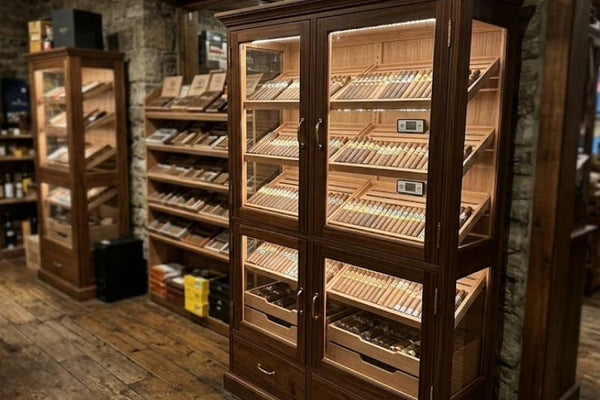
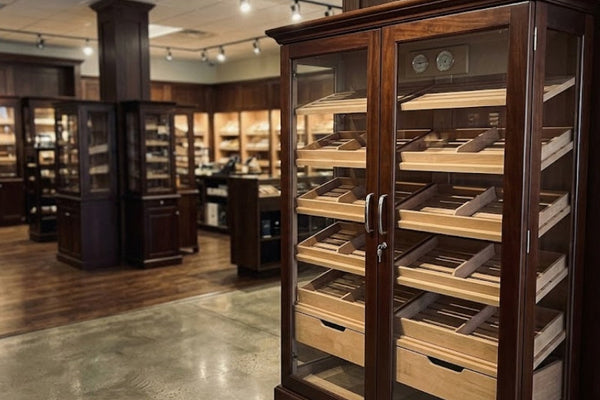
At Your Elegant Bar, we specialize in the finishing touches of the aficionado’s journey. Whether you are looking for high-capacity cabinet humidors to house a growing collection, precision humidor humidifiers to maintain the perfect climate, or premium cigar accessories and smoke eaters to refine your smoking environment, we provide the tools to elevate your ritual.

Frequently Asked Questions About Types of Cigars

1. Does a bigger cigar mean a stronger cigar?

No. Strength comes from the tobacco blend, not size.

2. Are darker wrappers always stronger?

No. Dark wrappers often mean richer flavor, not higher nicotine.

3. What cigar shape is best for beginners?

Parejos like coronas and robustos are the easiest to smoke.

4. Why do thin cigars taste sharper?

They burn hotter, which intensifies flavors.

5. What does ring gauge really affect?

Burn temperature, smoke volume, and flavor balance.

Ben Singh
Ben Singh

Ben Singh is recognized as a trusted voice in the cigar world, known for his hands-on work with humidors, humidifiers, and smoke control solutions. Since 2015, he’s helped shape how collectors, lounges, and retailers store and protect their cigars. Ben’s design input, honest reviews, and presence at major cigar shows have earned him respect from industry pros and fellow enthusiasts alike.

Leave a comment

Comments will be approved before showing up.