
by B Singh February 23, 2026 17 min read

Let’s be honest, if you’ve ever enjoyed a cigar, you’ve probably asked yourself this at some point: Can I relight this thing, or is it ruined? Maybe you got distracted. Maybe a phone call came in. Maybe dinner arrived at the worst possible time. Whatever the reason, the cigar went out. Now you’re staring at it like it betrayed you.

Here’s the truth: yes, you absolutely can relight a cigar. But like most good things in life, there’s a right way and a wrong way to do it.

In this guide, we’re diving deep into everything you need to know about relighting a cigar: the right timing, the right tools, the right technique, and the mistakes to avoid. By the end, you’ll know exactly what to do the next time your cigar decides to take an unexpected nap.

Is It Okay to Relight a Cigar?

Short answer? Yes. Longer answer? Yes, but timing matters.

Relighting a cigar is perfectly acceptable if it hasn’t been sitting out for too long. If your cigar went out 5, 10, even 20 minutes ago, you’re generally in safe territory. Life happens. Conversations get interesting. Drinks need refilling. A cigar going out doesn’t mean the experience is over.

When a cigar goes out, the ember cools and the tobacco at the foot stops burning. That’s fine for a short period. However, if you let it sit for hours, the oils and residue from the previous burn can make the next light taste… well, unpleasant. Think bitter, sharp, or overly ashy.

So when is it okay?

It’s perfectly fine to relight when:

  • You stepped away briefly.

  • You were pacing yourself and it extinguished naturally.

  • You intentionally set it down for a short break.

When should you reconsider?

  • If it’s been sitting overnight.

  • If it smells strongly stale or acrid.

  • If the wrapper feels dry and brittle.

A good rule of thumb: trust your nose. If the cigar smells foul when you bring it close, it might not be worth relighting.

Why Your Cigar Keeps Going Out (Beyond Just Slow Puffing)

Sometimes a cigar going out has nothing to do with you getting distracted. Yes, long conversations and slow pacing are common reasons but there are deeper factors that can sabotage your burn.

One major culprit is over-humidification. If your cigar has absorbed too much moisture, it becomes harder to keep lit. The tobacco resists combustion, and you’ll find yourself relighting repeatedly no matter how consistent your rhythm is. The cigar may feel slightly spongy to the touch or draw tighter than usual. In this case, relighting isn’t the full solution, you may need to let the cigar rest outside the humidor for a short period before smoking.

Another issue can be construction flaws. Not all cigars are rolled perfectly. If a cigar is plugged (meaning airflow is restricted), you’ll struggle to keep it burning evenly. You might notice a tight draw and constant extinguishing. In such cases, relighting won’t fix the core problem. If the cigar continues to fight you, it may simply be a flawed stick.

Then there’s canoeing, when one side burns significantly faster than the other. This uneven burn can cause one side to extinguish repeatedly. While relighting can help temporarily, addressing the uneven section directly (which we’ll cover below) is the smarter fix.

The takeaway? If your cigar keeps going out, don’t automatically blame your pacing. Humidity levels, airflow, and construction all play a role. Identifying the real cause saves you from unnecessary frustration and unnecessary relights.

How to Touch Up an Uneven Burn (Instead of Fully Relighting)

Not every issue requires a full relight. Sometimes your cigar is technically still burning, but unevenly. If one side is lagging behind or starting to go out, you don’t need to start from scratch.  This is where a touch-up comes in.

A touch-up means directing heat precisely to the section that isn’t burning properly. A torch lighter works best here because it allows you to aim the flame exactly where it’s needed. Gently apply heat only to the darker, unlit portion while slowly rotating the cigar. Avoid drawing too aggressively during this process; you’re correcting, not overcooking.

The goal is balance. Once the slower side catches up and the burn line evens out, stop applying direct flame and let the ember stabilize on its own.

Touching up is especially useful when:

  • One side begins to canoe.

  • A small section near the edge stops burning.

  • Wind caused part of the foot to extinguish.

If you ignore uneven burning, it can worsen and eventually require a full relight. But handled early, a simple touch-up keeps your cigar performing smoothly without disrupting flavor or heat balance.

Think of it like adjusting a crooked picture frame; you don’t tear it off the wall, you just straighten it.

How Long Can a Cigar Sit Before Relighting?

Timing is everything.  So how long can you really let a cigar sit?  Relight too soon without preparation, and you might scorch it. Wait too long, and you risk a bitter restart.

Ideally, you should relight a cigar within 30 minutes of it going out. Within this window, most cigars can be revived without significantly altering the flavor profile. The oils are still present, the tobacco hasn’t absorbed too much stale air, and the structure remains intact.

Between 30 minutes and an hour? It’s still doable but expect a slightly sharper taste during the first few draws. Usually, that harshness fades after a minute or two.

Beyond an hour? Now you’re entering risky territory. The longer a cigar sits extinguished, the more the burnt tobacco at the foot cools and settles. That layer can produce an unpleasant, bitter note when reignited.

And if it’s been several hours, or worse, overnight, let’s be realistic. You can try, but the experience likely won’t be satisfying. Cigars are about pleasure. If relighting feels like forcing leftovers the next day, sometimes it’s better to start fresh.

That said, premium cigars with thicker ring gauges tend to relight better than thinner ones. More tobacco means more resilience.

So remember this simple timeline:

  • Under 30 minutes: Go for it.

  • 30–60 minutes: Still acceptable.

  • 1+ hour: Proceed with caution.

  • Overnight: Probably not worth it.

Step-by-Step: How to Properly Relight a Cigar

Now we’re getting to the good stuff. Relighting isn’t just about sticking a flame on the end and puffing like a steam engine. There’s a method to it, and doing it right makes all the difference.

Step 1: Inspect the Cigar

Before you even think about lighting up again, take a good look at the foot. Is there a thick layer of flaky ash? Does it look uneven or cracked? If the ash is loose, gently tap it off in an ashtray.

You want a relatively clean surface before reintroducing flame.

This step takes seconds, but skipping it can lead to uneven burning and an unpleasant taste. Think of it as clearing the runway before takeoff.

Step 2: Knock Off the Ash

Old ash holds onto the byproducts of the previous burn. If you relight without removing it, you’re essentially reheating yesterday’s coffee grounds. Not ideal.

Gently roll the cigar between your fingers and tap off the loose ash. Don’t bang it aggressively; you’re not hammering a nail. Be gentle. Cigars reward patience.

Step 3: Cut the Burnt End (If Needed)

If the cigar sat for a while and the foot looks heavily charred, you may want to trim a thin slice off the end using a cigar cutter. Not mandatory but helpful.

This removes the stale, over-burned tobacco and gives you a cleaner restart.

Be conservative. You don’t need to chop off half an inch. Just enough to remove the worst of the char.

Step 4: Toast the Foot Evenly

Here’s where many people mess up. Don’t shove the flame directly into the cigar while puffing aggressively.

Instead, hold the flame just below the foot and rotate the cigar slowly. Let the heat toast the tobacco evenly.  Take your time. Patience here prevents bitterness later.

Step 5: Light and Draw Slowly

Once the foot is evenly toasted, take slow, steady draws while continuing to rotate the cigar. Avoid rapid, hard puffs. That overheats the tobacco and creates harshness.

After it’s lit, let it settle. Take a gentle puff, then pause. Allow the ember to stabilize.

Done correctly, the relight should feel almost seamless.

Step 6: Purging

Photo Credit to: Holt's Cigar Company - When and how to purge

Here’s a technique many casual smokers overlook: purging.

After relighting, you can gently blow air through the cigar instead of drawing smoke in. This pushes out stale smoke and built-up gases trapped inside the cigar’s body during the time it was extinguished.

When a cigar goes out, residual smoke lingers inside the tobacco. If you immediately begin puffing again without clearing it, that stale smoke can contribute to bitterness during the first few draws.

To purge properly:

  1. Relight the cigar evenly.

  2. Instead of inhaling, gently blow through the cigar for one to two seconds.

  3. You may see a brief flare at the foot as old gases burn off.

  4. Resume slow, steady draws.

It’s a subtle move, but it can noticeably smooth out the restart, especially if the cigar sat for 30 minutes or more.  Purging isn’t mandatory, but it’s a smart extra step if you want a cleaner, fresher relight experience.

Double Purging for a Cleaner Restart

Purging once is good. Purging twice is better, especially if the cigar has been sitting for hours.  Here’s how to approach it properly:

First Purge (Before Storing)

After extinguishing, fill your cheeks with air and gently but firmly blow through the cigar. This expels trapped smoke and loose residue. Always do this over an ashtray—burning particles can flare briefly.

Second Purge (Before Relighting)

When you return to the cigar, purge it again before taking your first draw. This clears any stale air that accumulated during storage.

Why double purge?

Because trapped gases and oxidized residue are the main contributors to that unpleasant first-minute bitterness. Purging helps flush out some of that stale buildup before you reignite the tobacco.

It won’t make the cigar taste brand new, but it can noticeably smooth the re-entry.

Best Tools for Relighting a Cigar

The tool you use can make or break the experience. Literally.  A quality torch lighter is often the best choice for relighting. It provides a steady, wind-resistant flame and evenly heats the foot. This is especially helpful outdoors or in breezy conditions.

Soft flame lighters work too, particularly indoors. They burn cooler and can offer more control—but they may struggle in wind.

What about matches?

Yes, you can use them. Just let the sulfur burn off first before bringing the flame to your cigar. Sulfur can impact flavor, and nobody wants that chemical note in their smoke.

Avoid:

  • Candle flames (they alter taste).

  • Gas stove flames (too strong and uneven).

  • Cheap lighters that sputter inconsistently.

Does Relighting Change the Flavor?

Let’s address the elephant in the lounge: yes, relighting can slightly change the flavor. But here’s the real question: does it ruin it? Not necessarily.

When you relight a cigar, you’re reintroducing heat to tobacco that has already been burned and cooled. That first minute after relighting can taste sharper, sometimes a bit bitter or ashy.  The key thing to understand is that this harshness is usually temporary.

In most cases, after a few slow draws, the flavor settles back into something very close to where it left off. The oils begin to warm evenly again, and the combustion stabilizes. If you took the time to knock off excess ash and toast the foot properly, you’ve already minimized most of the potential bitterness.

However, if the cigar sat too long, say several hours, that stale burn layer can introduce stronger bitterness that lingers. That’s when trimming the foot becomes especially important.

Here’s what you can expect flavor-wise:

  • Within 30 minutes: Very minimal change.

  • 30–60 minutes: Slight sharpness for a minute or two.

  • Over an hour: Noticeable bitterness at first; may or may not mellow.

  • Overnight: Likely harsh and unpleasant throughout.

Thicker cigars tend to handle relighting better than thinner ones. They have more tobacco mass to buffer the heat and absorb inconsistencies.  Relighting changes the flavor slightly, but if done correctly and within a reasonable time frame, it won’t destroy your experience.

What Happens Inside a Lit Cigar After You Put It Down

When you light a cigar, you’re not just burning tobacco; you’re creating a chemical chain reaction. As you draw, smoke travels through the unburned portion of the cigar before it reaches your mouth. Along the way, it leaves behind residue: oils, resins, and microscopic combustion particles that cling to the inner tobacco.

Once the cigar goes out, that residue doesn’t disappear.  Instead, it sits there. It interacts with oxygen. It cools. It settles. And over time, it changes.

That’s the real reason a relit cigar can taste “stale,” “ashy,” or slightly “creosote-like” during the first few draws. You’re reheating previously combusted residue. The longer the cigar rests, the more that residue oxidizes, and the more noticeable the off-flavor can become.

This doesn’t mean a half-smoked cigar becomes dangerous or toxic. It simply means the flavor ceiling drops. The richness you enjoyed during the first session won’t magically improve during the second. Cigars don’t age gracefully once lit.

Understanding Oil Loss and Why Flavor Can’t Fully Return

A cigar’s complexity comes largely from its natural oils. These oils carry aroma, depth, and subtle transitions throughout the smoke.

When you light a cigar, some of those oils burn away permanently. That’s part of the experience. But once they’re gone, they’re gone.

This is why a relit cigar, especially one revisited a day later, cannot fully replicate its original flavor profile. The richness you experienced in the first session was partially fueled by compounds that have already combusted.

Even if you trim and relight perfectly:

  • Some oils have evaporated.

  • Some flavor compounds have oxidized.

  • The internal balance has shifted.

Why a Day-Old Cigar Smells and Tastes Rancid

If you’ve ever returned to a cigar that’s been sitting in an ashtray overnight, you’ve probably noticed something immediately: the smell.  It’s not the rich, earthy aroma you remember. It’s sharper. Staler. Sometimes downright unpleasant.

That “rancid” scent develops because the oils and aromatic compounds in the tobacco have already been partially burned. Once extinguished, those oils don’t regenerate. Instead, they oxidize. The remaining residue interacts with air and settles into the unburned tobacco.

When you relight a cigar many hours, or a full day, later, you’re not just burning fresh leaf. You’re reheating oxidized residue and depleted oils. That’s why it doesn’t taste or feel the same.

You may notice:

  • A thinner smoke texture.

  • Reduced complexity.

  • Sharper or more bitter notes.

  • A lingering stale aftertaste.

This doesn’t mean the cigar is “bad” in a safety sense. It simply means its peak performance has passed.  The longer it sits, the more pronounced this effect becomes. That’s why same-day relights are generally acceptable, while next-day relights are a compromise at best.

Managing Expectations: It Won’t Be as Good—But It Can Still Be Enjoyable

Let’s be honest, a half-smoked cigar will almost never taste better the second time around. It won’t “develop” overnight like a well-rested stew. Once lit, its peak potential is behind it.

But that doesn’t mean it’s ruined.  If you extinguish it properly, trim the burn line, purge before and after storage, and relight carefully, you can absolutely salvage a satisfying experience.

If you go in expecting perfection, you’ll likely be disappointed. If you approach it as a slightly muted continuation of something you already enjoyed, you’ll appreciate it more.

Common Mistakes When Relighting a Cigar

Relighting isn’t complicated, but it’s easy to mess up if you rush it. And most of the unpleasant experiences people blame on “relighting” actually come down to simple mistakes.  Let’s break them down.

Rushing the Process

This is the biggest culprit. You grab your lighter, jam the flame directly into the foot, and start puffing aggressively like you’re trying to inflate a tire. 

Relighting should be calm and deliberate. Toast first. Rotate slowly. Then draw gently. Think of it as coaxing the cigar back to life, not shocking it with electricity.

Overheating the Tobacco

Even after the cigar is relit, some smokers continue puffing rapidly to “get it going.” This builds excessive heat and makes the smoke harsh and acrid.

Slow down. A cigar is not a race.

Take one draw, wait 30 seconds, then take another. Let the ember stabilize naturally.

Not Removing the Old Ash

Relighting over a thick layer of charred ash is like cooking fresh food in a dirty pan. That residue affects the taste.

Always tap off loose ash before relighting. If the foot looks heavily charred, trim it slightly.

Letting It Sit Too Long

Some people try to relight a cigar the next day. Technically, you can—but should you? Usually not.

If it smells stale or sour, your palate will thank you for starting fresh.

Why You Should Never Light the Ash Itself

One of the most overlooked mistakes when relighting a cigar is aiming the flame directly at leftover ash and assuming it will reignite properly. It seems logical at first glance, the ash is sitting there, so why not just spark it back to life?

Because ash is not fuel.  Ash is the byproduct of combustion. It’s already burned tobacco mixed with carbonized material and residual gases. When you try to light the ash itself, you’re essentially reheating waste. That harsh, acrid taste that sometimes lingers after a bad relight? This is often the reason.

Instead of producing a clean ember, lighting ash creates a burnt, recycled flavor that immediately coats your palate. And once that bitterness settles in, it can linger for several minutes, dulling the rest of your smoking experience.

The fix is simple:

  • Gently tap off all loose ash.

  • Ensure you’re exposing fresh, unburned tobacco at the foot.

  • Then toast and relight from there.

How Many Times Can You Relight a Cigar?

Here’s a practical question: how many second chances does a cigar deserve?

In most cases, relighting once or twice is completely fine. The flavor remains stable, and the structure holds up well.  Three times? Still possible.  Four or more? Now you’re pushing it.

Every relight introduces additional heat stress and slightly alters the tobacco at the foot. Over time, bitterness can build up. The draw may tighten. The burn may become uneven.

Here are signs it’s time to retire it:

  • Persistent bitterness that doesn’t fade.

  • Uneven burn that won’t correct.

  • Wrapper cracking from repeated heating.

  • Draw becoming overly tight or plugged.

If you find yourself relighting repeatedly because it keeps going out quickly, ask yourself why. Are you taking too long between puffs? Is it windy? Is the humidity off?  A cigar that constantly needs relighting might not be worth fighting with.

As a general rule:

  • 1–2 relights: Completely normal.

  • 3 relights: Acceptable.

  • 4+ relights: Probably time to let it go.

There’s no hard law here. Just common sense and your taste buds.

Don’t Relight a Cigar That’s Too Short

There comes a point when persistence stops being admirable and starts being risky.

As you approach the nub—the final inch or so—the cigar becomes hotter and more concentrated. The oils and heat intensify, creating a bold finish. For many smokers, this is the most flavorful part.

But once the cigar is smoked past the band and you’re holding a tiny remnant between your fingers, it’s time to let it go.

Relighting a nub that’s too short can:

  • Burn your fingers.

  • Overheat and scorch your lips.

  • Drop hot ash unexpectedly.

  • Produce harsh, overly concentrated smoke.

The final inch is meant to be enjoyed carefully, not resurrected repeatedly.

If it goes out at that stage, consider it the natural end of the experience. A cigar should conclude on a high note—not with singed fingertips.

Tips to Avoid Needing a Relight

While relighting is fine, ideally you want to minimize the need for it. A steady burn makes for a smoother, more relaxed experience.  Here’s how to smoke a cigar to keep things lit longer.

Pace Yourself Properly

Cigars prefer a rhythm. Too fast, and they overheat. Too slow, and they go out.  A good pace is one slow draw every 30–60 seconds. That keeps the ember alive without building excess heat.  If you’re in deep conversation, just take a gentle puff occasionally to maintain the burn.

Light It Properly from the Start

An uneven initial light is one of the main reasons cigars go out prematurely. If one side of the foot isn’t fully ignited, that side can die out quickly.  Always toast evenly and check that the entire foot is glowing before settling in.

Mind the Environment

Wind can kill a cigar quickly. Cold weather can too. If you’re outdoors, shield the cigar while smoking and relighting.

Avoid Long Pauses

If you know you’re about to step away for more than 10–15 minutes, understand that you’ll likely need to relight when you return.  Cigars are like conversations—they need a little ongoing attention to stay alive.

Choosing the Right Cigar Size to Avoid Leftovers

One of the smartest ways to deal with half-smoked cigars is to avoid them altogether.

Different cigar sizes burn for different durations:

  • Corona / Robusto: Often 30–60 minutes.

  • Toro: Around 60–90 minutes.

  • Churchill / Double Corona / Gran Corona: 90+ minutes.

If you only have 30–45 minutes before dinner, a large-format cigar may set you up for disappointment. Instead of fighting to preserve leftovers, choose a size that fits your schedule.

Relighting works—but starting and finishing in one session is almost always superior.

This isn’t about strict rules. It’s about matching time commitment to cigar size. A well-timed Robusto often delivers a better overall experience than a repeatedly relit Churchill.

Relighting a Cigar at Home vs. On the Go

Indoor Settings

At home or in a lounge, you have control. No wind. Stable temperature. Proper tools nearby.

Relighting indoors is usually straightforward. A torch or soft flame will do the job cleanly. The controlled environment reduces uneven burns.

Outdoor Challenges

Outdoors is a different story. Wind can cause one side to burn faster, making relights more frequent. Cold weather can cause the cigar to extinguish faster if left idle.

In these cases:

  • Use a torch lighter.

  • Shield the foot while lighting.

  • Rotate more deliberately.

Humidity also plays a role. Extremely dry air can cause faster burning, while overly damp conditions may make lighting more difficult.

Can You Save a Half-Smoked Cigar for Later?

The Right Way to Extinguish a Cigar You Plan to Save

If you know you’ll be coming back later, how you extinguish the cigar matters more than most people realize.  Never crush it out like a cigarette.

Stubbing or grinding the cigar into an ashtray can crack the wrapper, loosen filler tobacco, and embed harsh, burnt flavors deep into the foot. That damage carries over into your next session.

A cigar naturally extinguishes when oxygen is restricted. Simply tap off loose ash and let it rest on your ashtray.  After a few minutes, it'll extinguish itself.  That slow fade is far gentler on the wrapper and internal structure than crushing it out.

Cutting the Burn Line Before Saving It

If you’re planning to relight hours later, or even the next day, trimming the burned portion right away can improve your chances of a smoother restart.

After the cigar goes out naturally:

  • Take a sharp cigar cutter.

  • Slice just above the burn line.

  • Remove the charred, ashy tip cleanly.

Why cut immediately instead of later?

Because the burned section contains the highest concentration of stale residue. Removing it early prevents that harshness from settling deeper into the remaining tobacco. It also gives you a cleaner surface when you return to relight.

Be conservative. You’re not shortening the cigar dramatically, just removing the damaged edge.

This step isn’t mandatory for short breaks (like 20–30 minutes). But if you know you’re done for the evening and coming back later, cutting off the burn line can significantly reduce bitterness during the second session.

Never Store a Half-Smoked Cigar in Your Humidor

Your humidor is designed to preserve fresh cigars, not charred ones. A half-smoked cigar carries burned tobacco residue and a strong, ashy scent. When placed inside a humidor, that odor can transfer to the surrounding cigars.  Cigars are porous. They absorb aromas easily.  Never store your half-smoked cigar in your humidor, not even your Tupperdor.

Storing a smoked cigar alongside fresh ones can subtly contaminate their flavor over time. That carefully aged collection you’ve nurtured? It can pick up unwanted notes from a single leftover nub.

If you must save a half-smoked cigar, keep it isolated and temporary. Never reintroduce it to your main storage.

Are Half-Smoked Cigars Dangerous?

Let’s clear this up: a half-smoked cigar is not dangerous in the way moldy tobacco can be. It won’t become toxic simply because it was lit once and put out.

The issue is quality, not safety.  As discussed earlier, oxidized residue and stale smoke affect flavor. They do not turn the cigar into a health hazard overnight.

If the cigar smells normal (aside from expected burnt aroma) and shows no signs of mold or structural damage, relighting is a matter of taste preference, not risk.

Should You Relight or Grab a New One?

So, can you relight a cigar?  Yes. Absolutely.

Relighting is normal. It’s practical. It’s common, even among experienced smokers. The key is timing and technique.  If the cigar went out recently and still smells pleasant, relight it properly. Remove the ash. Toast evenly. Draw slowly.

If it’s been sitting for hours and smells stale, consider starting fresh. Cigars are about enjoyment, not stubbornness.  At the end of the day, there’s no cigar police. There’s just your palate.  Trust it.

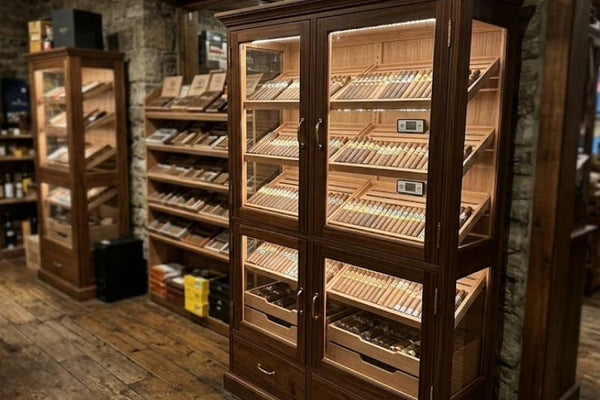
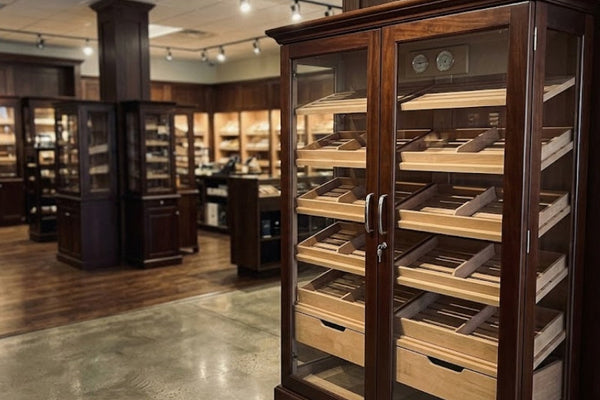
If you’re looking to elevate the entire experience, not just the relight, it starts with the right setup. Proper storage in quality cigar humidor cabinets, consistent moisture from a dependable cigar humidor humidifier, cleaner air with air purifiers and smoke eaters, and premium cigar accessories all make a noticeable difference in how your cigar burns, tastes, and performs from first light to final draw.

Frequently Asked Questions

1. Can relighting a cigar make it stronger?

Sometimes, yes. The initial draws after relighting can feel sharper or more intense. This usually settles after a minute or two if the cigar hasn’t been sitting too long.

2. Should I cut the cap again before relighting?

No. The cap is the end you draw from, and there’s no need to cut it again unless it’s damaged. Only trim the foot if necessary.

3. Can I relight a cigar the next day?

You can try, but it often tastes stale or bitter. If it smells unpleasant before lighting, it likely won’t improve.

4. Does relighting damage the cigar permanently?

Not if done properly and within a reasonable time frame. One or two relights are completely normal.

5. Why does my cigar keep going out?

Common reasons include smoking too slowly, uneven lighting at the start, wind exposure, or improper storage conditions.

Ben Singh
Ben Singh

Ben Singh is recognized as a trusted voice in the cigar world, known for his hands-on work with humidors, humidifiers, and smoke control solutions. Since 2015, he’s helped shape how collectors, lounges, and retailers store and protect their cigars. Ben’s design input, honest reviews, and presence at major cigar shows have earned him respect from industry pros and fellow enthusiasts alike.

Leave a comment

Comments will be approved before showing up.