



Summary:
- This article defines volatile organic compounds (VOCs) and explains where they come from in everyday environments.
- Key points include common VOC sources like paints and cleaning supplies, associated health risks, and the best removal methods.
- Readers will learn how activated carbon air purifiers are among the most effective tools for reducing indoor VOC levels.
Ever walked into a freshly painted room and been hit by that distinct smell? Or unpacked a new piece of furniture and noticed a strong chemical odor? That's your nose detecting Volatile Organic Compounds or VOCs for short. These invisible gases are all around us, quietly impacting our health in ways many of us don't realize.
According to the Environmental Protection Agency, the air inside your home likely contains 2 to 10 times more VOCs than the air outside. Yes, you read that right! The place where we spend roughly 90% of our time often has worse air quality than the outdoors, even in urban areas. And since many VOCs are completely odorless, you might be breathing them without any warning signs.
Some VOCs are relatively harmless in small amounts, while others can contribute to serious health issues over time. The problem is that these compounds don't work in isolation – they combine and accumulate, potentially creating a cocktail of chemicals that can affect everything from your next-day energy levels to your long-term respiratory health.
What You Should Know About VOCs
VOCs are the invisible gases released from many products we bring into our homes. They easily evaporate at normal temperatures, which means they're constantly being released into the air you breathe. While outdoor pollution gets most of the attention, indoor VOC levels are typically much higher than outdoor levels – a concerning fact since we spend so much time indoors.
Many people don't realize they're being exposed to VOCs because these compounds can be completely odorless, making proper testing the only way to detect many of them. Perhaps most importantly, long-term exposure to certain VOCs has been linked to chronic health issues ranging from persistent headaches to serious respiratory conditions.
Common VOC Examples and Their Sources

VOC Examples
Let's examine some common VOCs found in homes and workplaces:
| VOC Name | Common Sources | Potential Health Effects |
|---|---|---|
| Formaldehyde | Pressed wood products, insulation, cigarette smoke | Eye/nose/throat irritation, wheezing, and cancer risk |
| Benzene | Tobacco smoke, stored fuels, paint supplies | Blood disorders, increased cancer risk |
| Toluene | Paint, nail polish, synthetic fragrances | Neurological damage, irritation to eyes and respiratory tract |
| Xylene | Adhesives, paints, rust preventatives | Headaches, dizziness, and confusion |
| Ethanol | Cleaning products, personal care products | Irritation of the eyes and the respiratory system |
| Acetone | Nail polish remover, certain cleaners | Eye and respiratory irritation |
| Tetrachloroethylene | Dry-cleaned fabrics, spot removers | Dizziness, headaches, liver and kidney damage |
| Limonene | Citrus-scented products, air fresheners | Skin irritation, sensitization |
| Methylene chloride | Paint strippers, aerosol products | Decreased attention span, headaches, and cancer risk |
| 2-Butanone (MEK) | Lacquers, varnishes, paint removers | Eye, nose, and throat irritation |
Where Do VOCs Come From?
VOCs originate from both natural and human-made sources. Natural sources include certain plants and trees that release organic compounds as part of their biological processes. However, in indoor environments, human-made sources predominate.
Primary Indoor VOC Sources:
Building Materials and Home Furnishings
- New furniture (especially particleboard and pressed wood)
- Carpet and vinyl flooring
- Composite wood products
- Insulation materials
- Adhesives and sealants
- Fresh paint and varnish
- Wallpaper and various wall coverings
Household Products
- Cleaning supplies and disinfectants
- Air fresheners and scented candles
- Personal care products (hairspray, perfumes, nail polish)
- Dry-cleaned clothing
- Aerosol sprays
- Moth repellents
Activities and Equipment
- Smoking tobacco products
- Cooking (especially high-temperature cooking)
- Burning wood in stoves or fireplaces
- Hobby supplies (glues, solvents, paints)
- Office equipment (printers, copiers)
- Vehicle exhaust in attached garages
Outdoor Sources That Can Enter Indoors
- Vehicle emissions
- Industrial emissions
- Gasoline fumes
- Lawn equipment exhaust
- Pesticides and herbicides
Understanding these sources is crucial for effectively reducing VOC levels in your living spaces. Many people are surprised to learn that seemingly innocuous items like scented candles or new furniture can significantly impact indoor air quality.
The Off-Gassing Process Explained
Off-gassing refers to the process by which VOCs are released from materials over time. This occurs particularly with new products and gradually decreases as the material ages. The rate of off-gassing depends on several factors:
- Temperature: Higher temperatures accelerate the release of VOCs
- Humidity: Increased moisture can enhance off-gassing
- Age of materials: Newer products typically off-gas at higher rates
- Ventilation: Poor air circulation allows VOCs to accumulate
- Material composition: Some materials contain higher VOC content than others
Off-gassing timeline:
- Highest levels: First few days to weeks after a new product is installed
- Moderate levels: Can continue for months
- Low levels: May persist for years in some materials
This is why many people notice strong chemical smells in newly constructed or renovated buildings, in recently painted rooms, or after installing new furniture or flooring. What you're smelling is often the off-gassing of VOCs.
What Is TVOC? Measuring Total Volatile Organic Compounds
TVOC (Total Volatile Organic Compounds) is a measurement that represents the combined concentration of multiple VOCs present in the air. Rather than measuring individual chemicals, TVOC provides an overall assessment of VOC pollution levels.
TVOC Measurement Units:
- Micrograms per cubic meter (μg/m³)
- Milligrams per cubic meter (mg/m³)
- Parts per million (ppm)
- Parts per billion (ppb)
TVOC Level Classifications:
| TVOC Level | Concentration | Classification | Health Implications |
|---|---|---|---|
| Level 1 | Less than 0.3 mg/m³ | Low | Ideal for most people |
| Level 2 | 0.3 to 0.5 mg/m³ | Acceptable | Comfortable for most individuals |
| Level 3 | 0.5 to 1 mg/m³ | Marginal | May cause irritation to sensitive individuals |
| Level 4 | 1 to 3 mg/m³ | High | Discomfort expected; action recommended |
| Level 5 | Above 3 mg/m³ | Very High | Significant exposure concerns; immediate action needed |
TVOC meters and monitors are available for home use, allowing you to assess your indoor air quality. These devices can help identify problematic areas and determine if your VOC reduction strategies are effective.
Health Effects of VOC Exposure: Short-term and Long-term

VOC exposure can lead to a wide range of health effects, varying based on factors such as:
- The specific VOCs present
- Concentration levels
- Duration of exposure
- Individual sensitivity
- Pre-existing health conditions
Short-term Effects (Acute)
- Eye, nose, and throat irritation
- Headaches and dizziness
- Nausea or vomiting
- Fatigue
- Shortness of breath
- Allergic skin reactions
- Worsening asthma symptoms
- Irritation of respiratory tract
- Confusion or memory impairment
Long-term Effects (Chronic)
- Damage to liver, kidneys, and central nervous system
- Increased cancer risk
- Developmental issues
- Endocrine disruption
- Chronic respiratory diseases
- Cardiovascular damage
- Neurological problems
Populations at Higher Risk
- Infants and young children
- Pregnant women
- Elderly individuals
- People with asthma or other respiratory conditions
- Individuals with chemical sensitivities
- Those with compromised immune systems
- People with cardiovascular disease
Research continues to evolve regarding VOC health impacts, with newer studies suggesting connections to conditions like cognitive decline and autoimmune disorders with long-term exposure.
Comprehensive VOC Reduction Strategies
Effectively reducing VOCs requires a multi-faceted approach. Here's a comprehensive strategy for minimizing VOC exposure in your home or workplace:
1. Source Control: Eliminating or Reducing VOC Sources
The most effective way to reduce VOCs is to eliminate their sources:
Choose Low-VOC Products:
- Look for products labeled "Low-VOC," "No-VOC," "Zero-VOC," or "VOC-Free"
- Select water-based paints and finishes instead of oil-based options
- Choose solid wood furniture instead of pressed wood or particle board
- Opt for hardwood flooring or natural fiber carpets
Safe Product Storage:
- Store paint, solvents, pesticides, and fuels in detached buildings when possible
- Ensure containers are tightly sealed
- Dispose of partially used containers properly
- Never store gasoline or gas-powered equipment indoors
Lifestyle Adjustments:
- Air out new furniture and building materials before bringing them inside
- Avoid air fresheners and scented products
- Use natural cleaning alternatives like vinegar and baking soda
- Choose fragrance-free personal care products
- Allow dry-cleaned items to air out before bringing them inside
2. Ventilation: Improving Air Exchange
Proper ventilation dilutes indoor VOCs with fresh outdoor air:
General Ventilation Tips:
- Open windows when weather permits, especially after activities that release VOCs
- Use exhaust fans when cooking, showering, or using products that emit VOCs
- Consider installing trickle vents in windows for continuous air exchange
- Ensure that combustion appliances are properly vented
Mechanical Ventilation Systems:
- Heat Recovery Ventilators (HRVs) or Energy Recovery Ventilators (ERVs) provide fresh air while maintaining energy efficiency
- Whole-house fans can quickly flush out accumulated VOCs
- Balanced ventilation systems maintain optimal pressure while exchanging air
Strategic Ventilation:
- Cross-ventilation: Open windows on opposite sides of your home
- Stack effect: Open windows on different floors to create natural air movement
- Night cooling: Use cooler nighttime air to flush out pollutants
3. VOC Air Purifiers: Filtering Indoor Air
Air purifiers with the right technology can significantly reduce airborne VOCs:
Key Features for VOC Removal:
- Activated Carbon Filters: The primary technology for VOC adsorption; look for substantial carbon weight
- HEPA Filtration: While not effective for VOCs themselves, captures particulate matter that can carry VOCs
- Catalyst Technology: Some purifiers use catalysts that break down VOCs into harmless compounds
- UV-C Light: Can help break down some VOCs when combined with other filtration methods
- Air Exchange Rate: Higher CADR (Clean Air Delivery Rate) means more air is being cleaned
Selecting the Right VOC Air Purifier:
- Calculate the square footage of your space and choose an appropriately sized unit
- Look for models specifically designed for VOC removal (not just particulate matter)
- Consider noise levels, especially for bedrooms
- Check filter replacement costs and schedules
- Look for energy efficiency certification
Placement and Usage Tips:
- Position purifiers in rooms where you spend the most time
- Place units near potential VOC sources
- Run air purifiers continuously for best results
- Replace filters according to manufacturer's recommendations
- Use multiple smaller units rather than one large unit for better distribution
4. Smoke Eaters: Specialized VOC Control for Smoke
Smoke contains numerous VOCs and requires targeted removal strategies. "Smoke eaters" are specialized air cleaning systems designed specifically to address smoke-related VOCs:
Types of Smoke Eaters:
- Electrostatic Precipitators: Use an electrical charge to trap smoke particles
- Heavy-Duty Carbon Filters: Feature enhanced carbon filtration specific to smoke compounds
- Multi-Stage Systems: Combine several technologies for comprehensive smoke removal
- Commercial-Grade Units: Higher capacity systems for severe smoke conditions or commercial spaces
Applications for Smoke Eaters:
- Homes affected by wildfire smoke
- Residences with smokers
- Restaurants and bars
- Spaces near commercial kitchens
- Areas affected by industrial smoke
- Post-fire restoration
Effectiveness Factors:
- Match the capacity to the space and smoke intensity
- Regular maintenance is crucial for continued effectiveness
- Proper placement enhances performance
- Some units may generate ozone as a byproduct, which should be avoided
5. Natural VOC Absorption Methods
Some natural approaches can complement technological solutions:
Air-Purifying Plants: Research from NASA and other institutions suggests certain plants may help reduce VOCs, including:
- Spider plants (Chlorophytum comosum)
- Snake plants (Sansevieria trifasciata)
- Peace lilies (Spathiphyllum)
- Boston ferns (Nephrolepis exaltata)
- Rubber plants (Ficus elastica)
While plants alone won't solve serious VOC problems, they can contribute to overall air quality improvement while adding aesthetic value.
Natural Adsorbents:
- Activated charcoal bags
- Zeolite mineral products
- Beeswax candles (instead of paraffin)
- Natural clay products
Our Top VOC Air Purifier & Smoke Eater Recommendations
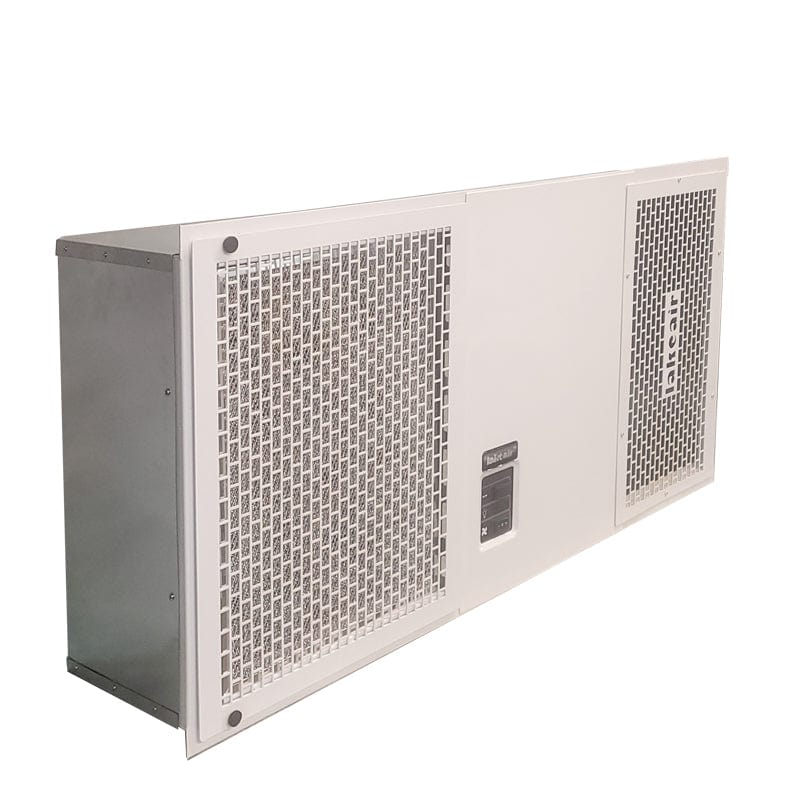
For Large Living Spaces: LAFC-RC2-S Electrostatic Smoke Eater
Engineered for expansive areas, the LAFC-RC2-S delivers a powerful airflow range of 400 to 1500 CFM, making it ideal for open floor plans, lounges, or high-traffic living rooms. Its electrostatic filtration system removes 97% of airborne particles as small as 0.1 micron, perfect for tackling smoke, dust, and VOCs efficiently. Built for performance and durability, this commercial-grade solution ensures your space remains clean and breathable day in and day out.
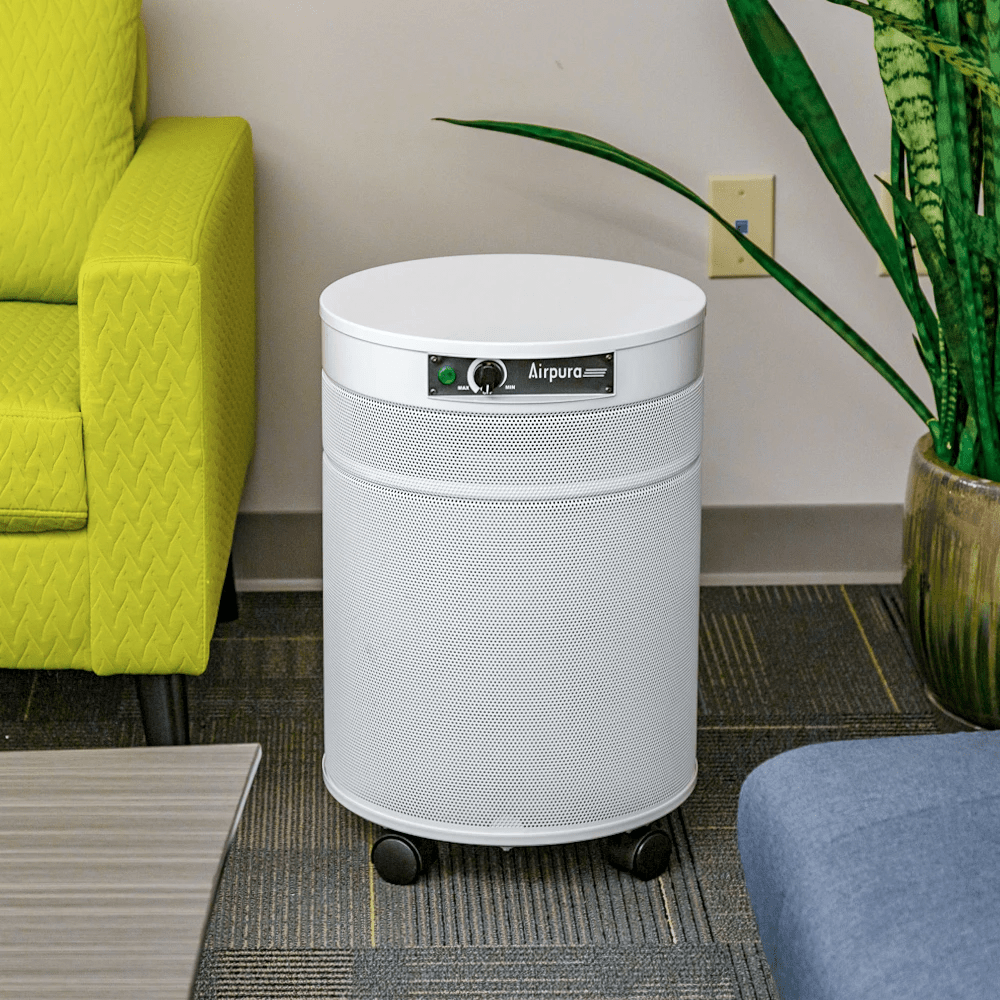
For Bedrooms: Airpura T600 DLX Air Purifier
Specifically built to combat smoke and VOCs, the T600 DLX offers quiet, powerful purification for bedrooms up to 2,000 square feet. With a max airflow of 560 CFM and two full air changes per hour, it’s designed to handle even heavy tobacco smoke. Its specialized carbon blend targets harmful chemicals and odors, making it an excellent choice for anyone who values clean air during sleep.
Budget-Friendly Option: Rabbit Air MinusA2 Air Purifier
Sleek, silent, and energy-efficient, the MinusA2 is ideal for budget-conscious buyers who don’t want to compromise on performance. Covering up to 815 square feet, this unit is great for allergy sufferers and smaller living spaces alike. With advanced HEPA filtration and a customizable filter option, it removes allergens and VOCs while using just 7 to 61 watts of power. Its slim profile and ultra-quiet operation make it a discreet addition to any room, starting at a wallet-friendly price.
VOC Testing and Monitoring: Knowledge is Power
Understanding the VOC levels in your environment is the first step toward improvement:
DIY VOC Testing Options:
Consumer-Grade VOC Monitors
- Real-time TVOC readings
- Price range: $100-500
- Some connect to smartphones for tracking
- Varying degrees of accuracy
Professional-Grade Testing
- Laboratory analysis of air samples
- Can identify specific VOCs present
- More accurate concentration measurements
- Typically costs $200-1000
Professional Services
- Indoor air quality specialists
- Industrial hygienists
- Environmental consultants
- Home inspectors with IAQ certification
When to Test:
- After moving into a new home
- Following renovations or new furniture purchases
- If experiencing unexplained symptoms
- Before and after implementing VOC reduction strategies
- When sensitive individuals (children, elderly, those with respiratory conditions) are present
Special Considerations for VOC-Sensitive Populations
Some individuals are particularly vulnerable to VOC exposure:
For Parents and Caregivers:
- Children's developing respiratory systems are more susceptible to VOC damage
- Create a low-VOC nursery using natural materials and no-VOC paints
- Avoid vinyl shower curtains and plastic toys that may contain phthalates
- Choose VOC-free cleaning products for areas where children play
For Those with Multiple Chemical Sensitivity (MCS):
- Create designated "clean rooms" with minimal VOC sources
- Consider VOC-absorbing wall treatments
- Implement more frequent filter changes in air purifiers
- Maintain consistent temperature and humidity levels
For Asthmatics and Those with Respiratory Conditions:
- Monitor VOC levels regularly
- Keep rescue medications accessible
- Consider air purifiers with both HEPA and substantial activated carbon
- Create an action plan for high-VOC situations
Regulatory Standards and Guidelines
Various organizations have established guidelines for VOC exposure:
United States:
- EPA has established guidelines for specific VOCs
- OSHA regulates workplace exposure
- LEED certification includes VOC emission standards for building materials
European Union:
- More stringent regulations than the US for many VOCs
- Product labeling requirements for VOC content
World Health Organization (WHO):
- Provides guidelines for indoor air quality
- Recommends specific concentration limits for common VOCs
Conclusion: Creating a Low-VOC Environment

Reducing VOC exposure requires awareness, vigilance, and a multi-faceted approach. By identifying sources, implementing reduction strategies, improving ventilation, and using appropriate air purification technologies, you can significantly improve your indoor air quality.
Remember that creating a low-VOC environment is not a one-time effort but an ongoing process. Regular monitoring, maintenance of air purifiers, and continued attention to product choices will help maintain healthy indoor air.
Your health and well-being are worth the investment in understanding and addressing VOCs in your environment. With the information provided in this guide, you now have the knowledge to make informed decisions about improving your indoor air quality and protecting yourself and your loved ones from harmful VOC exposure.
Frequently Asked Questions About VOCs
How long do VOCs last after painting?
Most VOCs from paint dissipate within the first 2-3 days, though some continue to off-gas at lower levels for weeks or even months. Low or zero-VOC paints can significantly reduce this timeframe.
Can VOCs make you sick?
Yes, VOC exposure can cause both acute symptoms (headaches, irritation, dizziness) and chronic health problems with long-term exposure. The severity depends on the specific VOCs, concentration, duration of exposure, and individual sensitivity.
How can I test for VOCs in my home?
You can use consumer-grade VOC monitors for real-time readings or professional testing services for more detailed analysis. Home test kits that collect samples for laboratory analysis are also available.
Are natural materials always low in VOCs?
Not necessarily. Some natural materials, like certain woods, emit natural VOCs like terpenes. However, natural materials typically contain fewer harmful synthetic VOCs than manufactured products with chemical additives.
How effective are plants at removing VOCs?
While research shows some plants can absorb certain VOCs, their effect is modest compared to proper ventilation and air purification systems. Plants should be viewed as a complement to other VOC reduction strategies, not a replacement.
What's the difference between VOCs and formaldehyde?
Formaldehyde is actually one specific type of VOC. It receives special attention because it's particularly common in building materials and has been classified as a known human carcinogen.
Can VOCs penetrate through walls?
Some VOCs can penetrate certain building materials. This is why source control is so important—removing the VOC source rather than trying to contain it.


