
Summary:
- This article identifies seven ideal locations within a home for placing an air purifier to target mold spores effectively.
- Key points include mold-prone areas like bathrooms, basements, and kitchens, and how correct placement maximizes the purifier's ability to capture airborne mold spores.
- Readers will learn a room-by-room placement strategy for reducing mold exposure throughout the home.
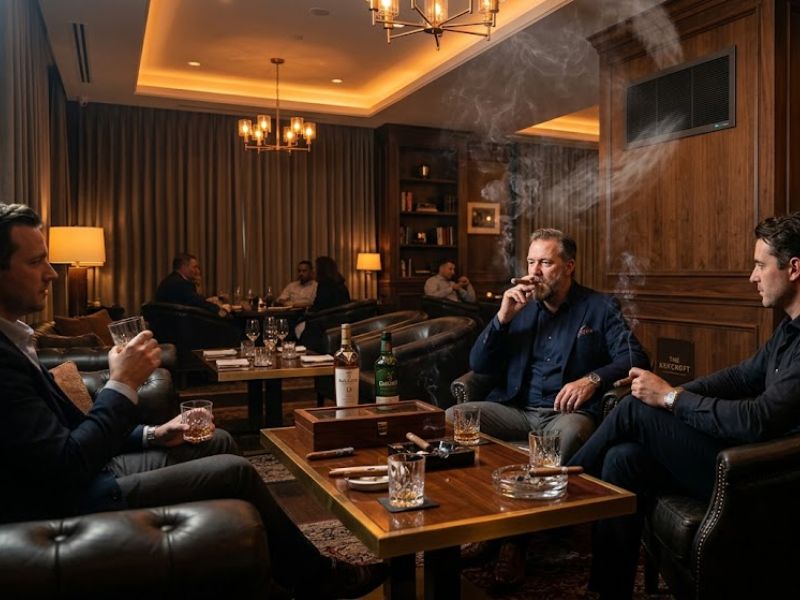
A cigar lounge lives and dies by its atmosphere. Not just the visual appeal or the comfort of the seating, but the air itself. When odor control is handled properly, the space feels refined, intentional, and inviting. When it’s not, even the best cigars can feel harsh, stale, and overwhelming. A structured odor control plan is what separates a premium lounge experience from one that drives customers away after a single visit.
At Your Elegant Bar, we’ve worked with a wide range of cigar retailers, lounges and hospitality venues since 2016, helping them build environments that feel clean without stripping away the richness of the cigar experience. Through hands-on guidance, design consultations, and real-world problem solving, we’ve seen exactly what works and what fails when it comes to managing smoke and odor long-term. What follows is a practical, no-nonsense SOP you can implement immediately.
Understanding Cigar Smoke Behavior in Enclosed Spaces

Cigar smoke does not behave like cigarette smoke. It is heavier, oilier, and far more persistent. The particles released during combustion are larger and tend to cling to surfaces rather than dissipate quickly. This means odor control is not just about removing smoke from the air, but also about preventing buildup on walls, ceilings, furniture, and fixtures over time.
In a lounge setting, smoke naturally stratifies. Warmer smoke rises initially, then cools and settles into layers throughout the room. Without proper circulation, you end up with pockets of stagnant air that trap odor. These pockets are often found in corners, near ceilings, and around upholstered furniture. Even with a well-designed smoke control system, daily operations will continuously introduce new layers of particulate matter.
Another factor that complicates odor control is humidity. Cigar lounges are typically maintained within a specific humidity range to preserve product quality. That moisture in the air allows smoke particles to bind more easily to surfaces, intensifying lingering odors. This is especially noticeable in spaces with walk-in humidors or large storage areas where airflow may be more restricted.
The takeaway is simple. Odor control is not a one-time fix or a single system. It is an ongoing operational discipline that requires consistent action across daily, weekly, and monthly intervals. Without that structure, even the best equipment will fall short.
At Your Elegant Bar, we’ve helped clients design cigar lounges and storage environments where airflow, humidity control, and spatial planning work together instead of against each other. By understanding how smoke actually behaves in enclosed spaces, we guide owners toward layouts and system choices that prevent buildup before it starts. If you are planning a lounge or refining an existing setup, we can help you create a space where performance matches intention from day one. Book a design consultation!
Daily Odor Control SOP: Immediate Air Quality Management

Daily maintenance is where odor control either succeeds or fails. This is the frontline of your operation, where fresh smoke is actively managed before it has a chance to settle and embed itself into your environment. Skipping or rushing these tasks leads to compounding problems that become much harder to fix later.
Start with active air circulation from the moment the lounge opens. Your ventilation and smoke eaters should already be running before the first cigar is lit. This pre-conditioning step ensures that the air is already moving and filtering, rather than reacting after smoke has accumulated. Throughout operating hours, systems should remain consistently active at appropriate capacity, not cycling on and off. This also applies to humidifiers working in the background, since improper output or poor calibration can disrupt air balance and indirectly intensify odor retention in enclosed lounge environments.
Surface management is just as important as air movement. Every day, staff should wipe down high-contact and high-exposure areas. This includes bar tops, tables, chair arms, counters, and display surfaces. Smoke residue is slightly oily, and if left untouched, it forms a thin film that traps odor. Use cleaning agents specifically designed to break down smoke residue rather than simply masking scent.
Ash management needs to be constant, not occasional. Overflowing ashtrays are one of the fastest ways to degrade air quality. Staff should clear and clean them frequently throughout the day, not just at closing. Even premium ashtrays, if neglected, become concentrated sources of odor.
Daily checklist should look like this:
- Turn on ventilation and purification systems before opening
- Maintain continuous airflow during business hours
- Wipe down all exposed surfaces at least once per shift
- Empty and clean ashtrays multiple times per day
- Dispose of waste in sealed containers to prevent lingering odor
At closing, a final reset is critical. Run your systems at a higher setting for a short period after customers leave. This helps flush out accumulated smoke before it settles overnight.
Weekly Odor Control SOP: Deep Surface and Equipment Maintenance

Daily cleaning handles the obvious, but weekly maintenance is where you address what the eye cannot easily see. This is where odor begins to embed itself into materials and equipment if left unchecked. A disciplined weekly routine prevents long-term buildup that eventually requires costly remediation.
Start with a deeper cleaning of all surfaces, including those not touched daily. Walls, baseboards, light fixtures, vents, and even decorative elements collect smoke residue over time. While it may not be immediately visible, it contributes significantly to the overall smell of the space. Using proper cleaning solutions designed for smoke environments is essential here.
Furniture deserves special attention. Upholstered seating, in particular, acts like a sponge for smoke particles. Weekly vacuuming with HEPA-equipped systems helps remove embedded particulates. For leather or wood seating, use appropriate cleaners that break down residue without damaging the material.
Your air systems also require weekly inspection. Filters in smoke-heavy environments clog faster than in standard commercial spaces. A quick check ensures they are functioning efficiently and not restricting airflow. Reduced airflow not only impacts odor control but also strains your equipment.
Here’s a simple comparison of daily vs weekly focus:
| Task Type | Daily Focus | Weekly Focus |
|---|---|---|
| Air Quality | Continuous filtration and airflow | Filter inspection and performance check |
| Surfaces | Wipe high-contact areas | Clean walls, fixtures, and hidden surfaces |
| Furniture | Spot cleaning | Deep vacuuming and material care |
| Waste | Frequent removal | Sanitation of disposal areas |
Another often overlooked area is accessories. Items like lighters, cutters, and ashtrays, especially shared or display pieces, accumulate residue quickly. Weekly cleaning ensures they remain presentable and do not contribute to ambient odor.
This is also the point where you reassess airflow patterns. If certain areas consistently smell stronger, it may indicate poor circulation rather than insufficient cleaning.
Monthly Odor Control SOP: System Optimization and Preventive Measures

Monthly maintenance is where you step back and evaluate the entire system. This is not just about cleaning, but about ensuring your environment continues to function as intended. Small inefficiencies, if ignored, turn into major air quality problems over time.
Start with full filter replacements or deep cleaning, depending on the type of system you use. In cigar lounges, filters reach saturation much faster than manufacturers’ standard estimates. Waiting too long reduces effectiveness and allows odor to linger in the air.
Ductwork and ventilation paths should also be inspected. Even well-designed systems can develop buildup over time, especially in high-use environments. Any obstruction or residue in these pathways reduces overall efficiency and creates uneven airflow distribution.
Humidity systems should be checked and calibrated. Poorly maintained humidifiers can contribute to stale air if they are not functioning correctly. Balanced humidity supports both cigar preservation and cleaner air quality. This is particularly important in areas with cigar cabinet humidors or larger storage systems where airflow may differ from the main lounge.
Monthly tasks should include:
- Replace or deep clean all air filtration components
- Inspect ductwork and airflow pathways
- Calibrate and maintain humidification systems
- Evaluate overall odor levels and identify problem zones
This is also the time to reassess your layout if needed. While major structural changes are not frequent, small adjustments in seating, airflow direction, or equipment placement can significantly improve odor control.
A well-maintained monthly routine ensures that your daily and weekly efforts are not working against hidden inefficiencies.
Common Odor Control Mistakes That Ruin Lounge Experience
Most odor problems are not caused by a lack of equipment, but by inconsistent execution and avoidable mistakes. Even well-designed lounges with proper ventilation and filtration can develop persistent odor issues when daily habits and operational discipline fall short. Identifying these mistakes early helps prevent long-term damage to both the space and the customer experience.
One of the most common issues is over-reliance on equipment alone. Installing strong air purification paired with smoke eaters is important, but it does not replace cleaning and routine maintenance. Smoke particles settle quickly, and once they attach to surfaces, no amount of airflow will fully remove the odor. Lounges that depend entirely on machines without consistent cleaning often develop a heavy, stale smell that lingers even when the air feels “circulated.”
Another frequent mistake is inconsistent SOP execution. It is not enough to have a daily, weekly, and monthly plan written down. Staff must follow it with precision. Skipping even a day of proper ashtray management or surface cleaning can create a compounding effect. Smoke residue builds in layers, and once that buildup starts, it becomes harder to reverse without deep cleaning interventions.
Poor airflow balance is another silent problem. Some lounges unintentionally create dead zones where smoke accumulates. This often happens when furniture placement blocks airflow or when ventilation output is uneven. These pockets of stagnant air become concentrated odor zones, which customers notice immediately, even if the rest of the lounge feels clean.
Improper waste handling also plays a role. Trash bins without proper sealing allow smoke-saturated waste to continue releasing odor long after cigars are extinguished. This is especially noticeable overnight when ventilation systems may be reduced or turned off. A simple upgrade in waste management practices can make a measurable difference.
Finally, neglecting storage areas can undo all front-of-house efforts. Walk-in humidors, back rooms, and storage zones must be included in the odor control plan. If these areas accumulate stale air, that odor eventually migrates into the main lounge space. Consistency across all zones is what keeps the environment balanced and clean.
At Your Elegant Bar, we’ve worked with lounge owners and operators who came to us after struggling with persistent odor issues caused by overlooked design and inconsistent execution. Through practical adjustments in layout, equipment selection, and operational planning, we help correct these issues and prevent them from recurring. If you want to avoid costly mistakes and build a cleaner, more controlled environment, we can help you get there with the right foundation in place. Speak with a design consultant now!
Integrating Odor Control Into Staff Training and Daily Operations

A well-written SOP means nothing if your team does not understand how to execute it properly. Odor control should be treated as a core operational standard, not a side task. When staff recognize its impact on customer experience, they approach it with more consistency and attention to detail.
Training should start with explaining why odor control matters. Staff need to understand that a clean-smelling lounge is not about removing the cigar experience, but about refining it. Customers want to enjoy the richness of a cigar without being overwhelmed by stale, lingering smoke. Once this is clear, the daily tasks feel purposeful rather than repetitive.
Hands-on training is far more effective than written instructions alone. Walk staff through proper surface cleaning techniques, show them how to identify residue buildup, and demonstrate correct ashtray maintenance. Small details, like how often ashtrays should be emptied or how thoroughly surfaces should be wiped, make a noticeable difference over time.
Accountability also plays a key role. Assign specific responsibilities during each shift so tasks are not overlooked. When odor control is everyone’s responsibility, it often becomes no one’s priority. Clear ownership ensures consistency. Managers should also perform quick checks throughout the day to maintain standards.
It is also important to align odor control with overall lounge workflow. Cleaning should not feel disruptive or out of place. When integrated naturally into service routines, it becomes seamless. For example, clearing ashtrays can be done alongside regular table service, and quick surface wipes can be incorporated during low-traffic moments.
At Your Elegant Bar, we’ve helped multiple clients refine not just their lounge design, but also how their teams operate within those spaces. We’ve seen firsthand that the most successful lounges are not necessarily the ones with the most advanced systems, but the ones where staff consistently execute simple processes the right way. That consistency is what keeps the environment controlled, comfortable, and enjoyable day after day. Book a design consultation!
Long-Term Odor Control Strategy for Sustainable Lounge Performance

Photo Credit to our friends at Palmyra, PA at Oscar's Cigar Lounge
Thank you for choosing our Premium Cigar Lockers!
Short-term fixes can improve odor temporarily, but long-term success comes from building a system that sustains itself. This means aligning your design, equipment, and operational habits into one cohesive approach that evolves with your lounge over time. Without this alignment, even the best SOP will eventually lose effectiveness.
The first step is consistency. Daily, weekly, and monthly routines must remain non-negotiable. As business grows and foot traffic increases, it becomes tempting to cut corners, especially during busy periods. That is exactly when odor control matters most. High traffic introduces more smoke, more residue, and more strain on your systems. Maintaining discipline during peak times protects the overall environment.
The second element is periodic evaluation. No lounge remains static. Furniture gets rearranged, equipment ages, and customer flow changes. These shifts can impact airflow and odor distribution. Taking time every few months to reassess how the space performs allows you to catch small issues before they become larger problems.
Investment in the right infrastructure also plays a role, but it should always support your SOP rather than replace it. Proper ventilation design, balanced air pressure, and effective filtration create the foundation, while daily operations maintain it. When both sides work together, odor control becomes manageable rather than reactive.
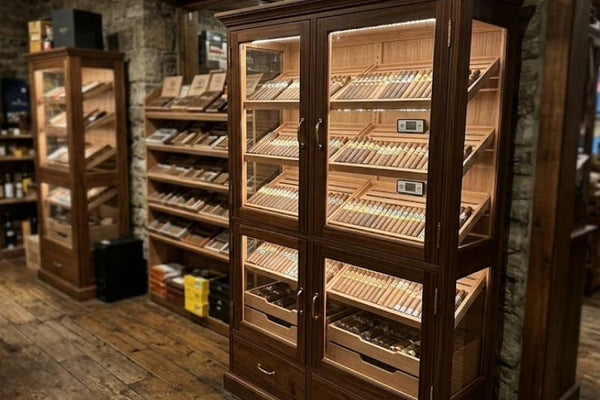
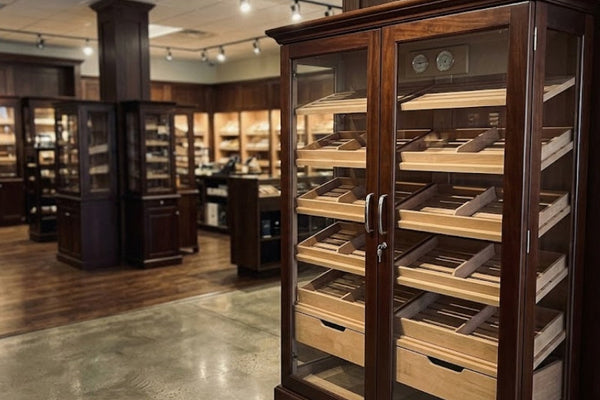
Storage solutions also influence long-term air quality. Poorly maintained or overcrowded storage areas can introduce stale air into the main lounge. Keeping environments organized and properly ventilated helps maintain consistency across the entire space, not just the customer-facing areas. This is especially true when integrating cigar cabinet humidors into the overall lounge ecosystem, since their sealing quality and internal climate stability can influence nearby air conditions if not properly balanced within the room layout.
At Your Elegant Bar, we’ve worked closely with lounge owners, retailers, and hospitality groups to create spaces that remain clean and functional well beyond their opening phase. By guiding clients through both the design and operational side, we help ensure their lounges continue to perform as intended, without constant troubleshooting or costly corrections. Speak with a design consultant now!
Frequently Asked Questions
1. How often should a cigar lounge perform deep odor control cleaning?
A full deep cleaning should be done at least once a week, with monthly system-level maintenance for ventilation and filtration. Weekly cleaning prevents smoke residue from embedding into surfaces, while monthly servicing ensures airflow systems continue working efficiently. Skipping either creates long-term odor buildup that becomes harder to reverse.
2. What is the most important daily habit for controlling cigar lounge odor?
Consistent airflow management combined with frequent ashtray clearing is the most critical daily habit. Smoke begins settling immediately, so keeping air moving and removing waste prevents buildup before it starts. Even small lapses in these routines can noticeably impact overall lounge freshness.
3. Do air purifiers and smoke eaters alone solve cigar lounge odor issues?
No, they are essential but not sufficient on their own. These systems handle airborne particles, but they cannot remove residue that settles on furniture, walls, and fixtures. A proper SOP must combine equipment use with daily and weekly physical cleaning.
4. How do cigar storage areas affect overall lounge odor?
Poorly maintained storage areas can release stale or imbalanced air into the main lounge. This is especially relevant for walk-in setups and cigar cabinet humidors, where airflow and humidity must stay consistent. If storage zones are neglected, they can undermine even the best front-of-house odor control efforts.
5. Why does cigar smoke linger more than other types of smoke?
Cigar smoke contains heavier oils and larger particles that cling to surfaces more easily than cigarette smoke. It also interacts strongly with humidity, which can intensify lingering odors if not properly managed. This makes structured cleaning and airflow systems essential for maintaining a clean-smelling environment.
Book a Design & Wholesale Consultation
Odor control is not about eliminating the essence of a cigar lounge. It is about refining it so every guest can enjoy the experience without distraction. A structured SOP built around daily, weekly, and monthly actions keeps your space consistent, professional, and welcoming. When done right, customers notice immediately, even if they cannot explain why the space feels better.
If you are planning a new lounge or improving an existing one, the right guidance makes a significant difference. At Your Elegant Bar, we help clients create environments that balance airflow, storage, and usability so odor control becomes part of the design, not an afterthought.
From layout considerations to equipment selection and operational planning, we focus on building spaces that work in real-world conditions. Book a design consultation today!