
Medical and Hospital Grade Air Purifiers
Getting air purifiers for hospitals and clinics is mandatory. It can save hundreds of lives, including those people who work on the premises. You might not see these germs with your naked eye, but they are in the air. Thus, you need to invest in a medical and hospital-grade air purifier to ensure a cleaner and safer environment.
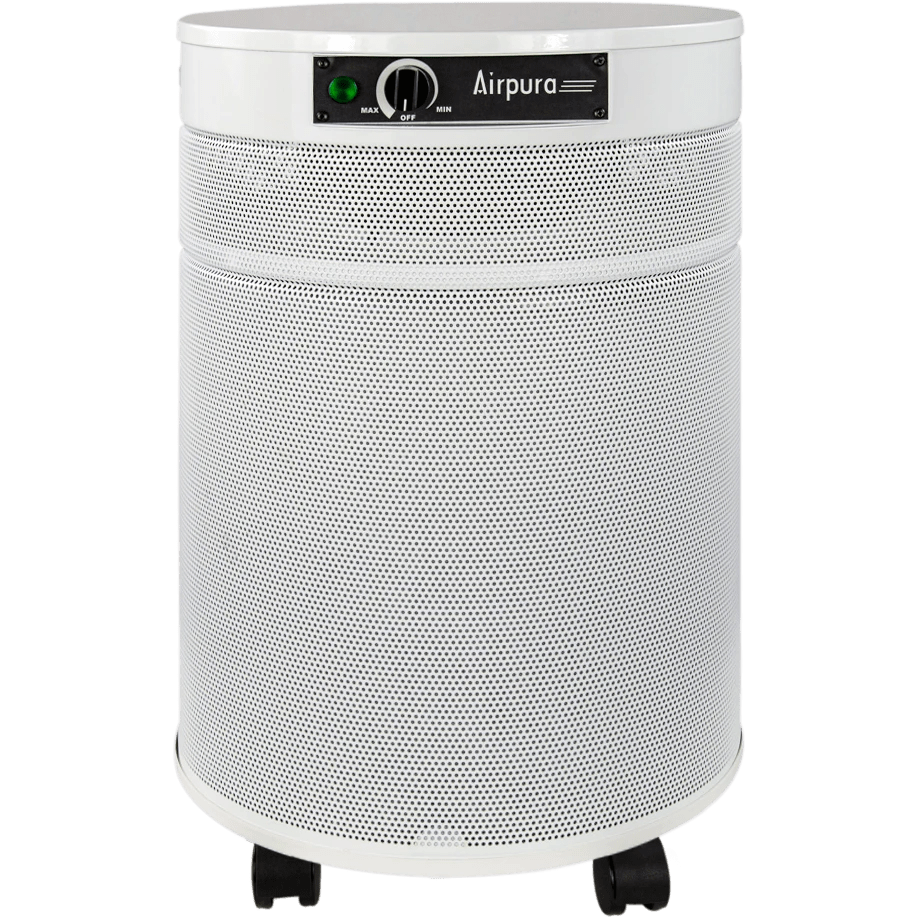
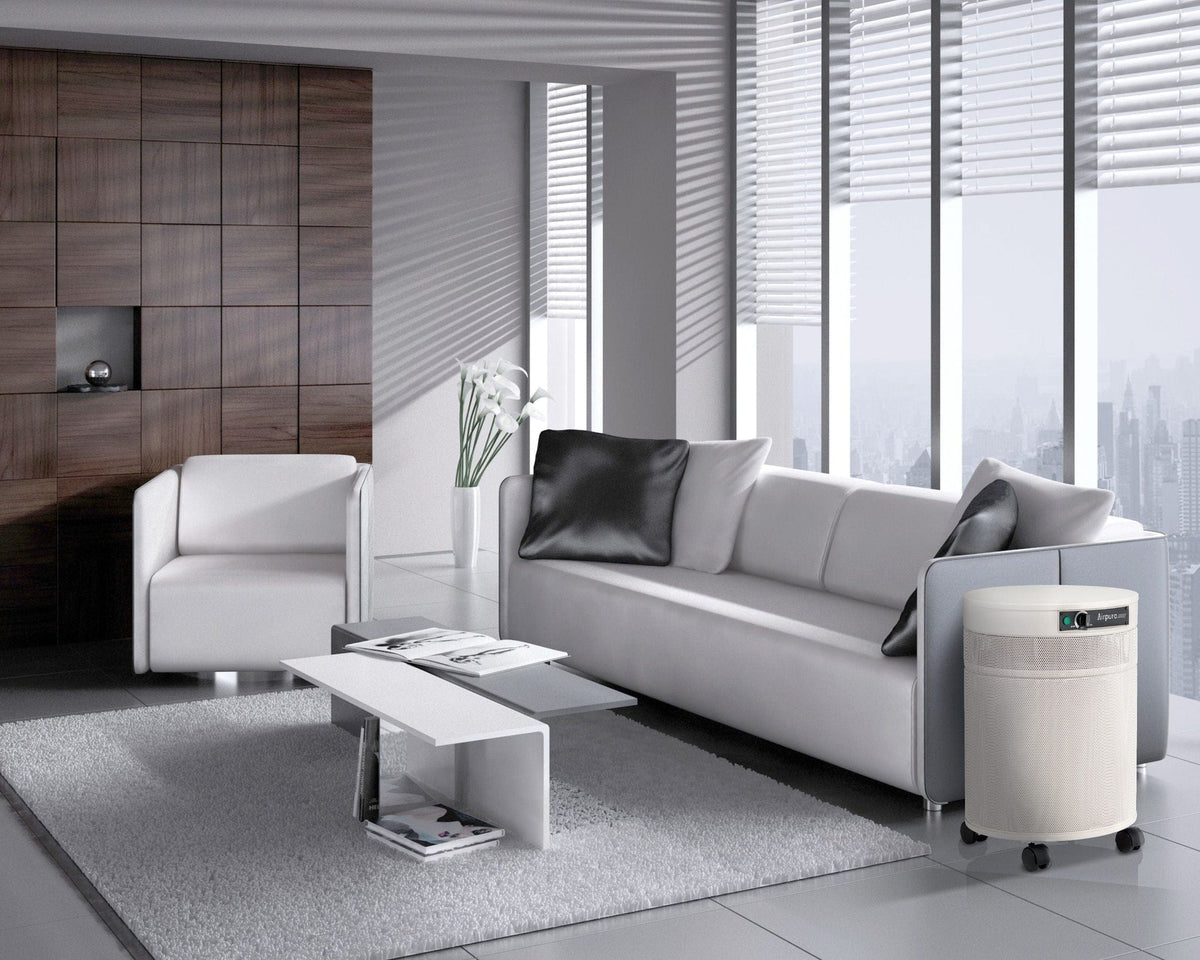
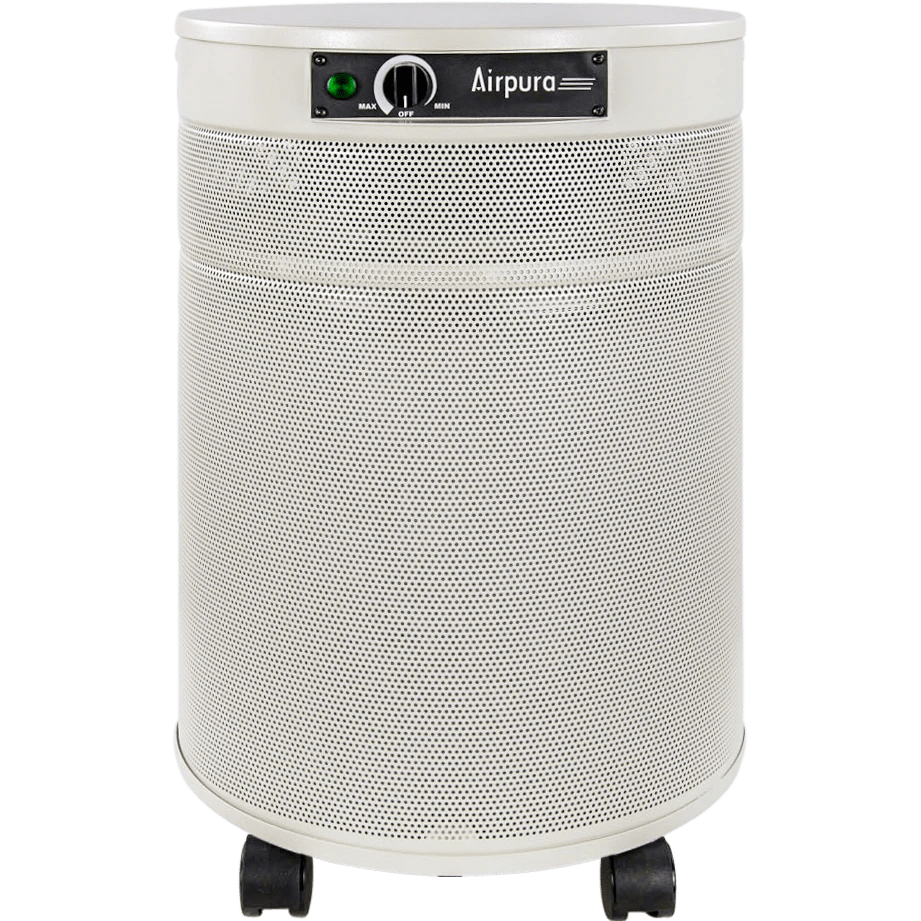


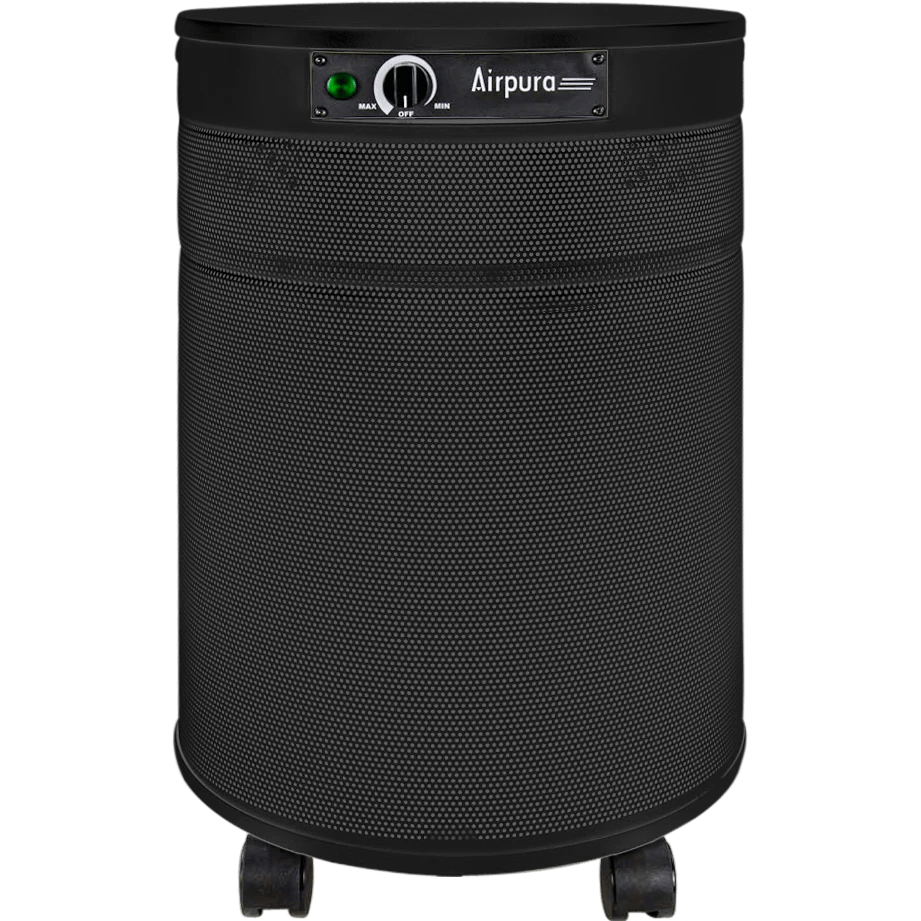
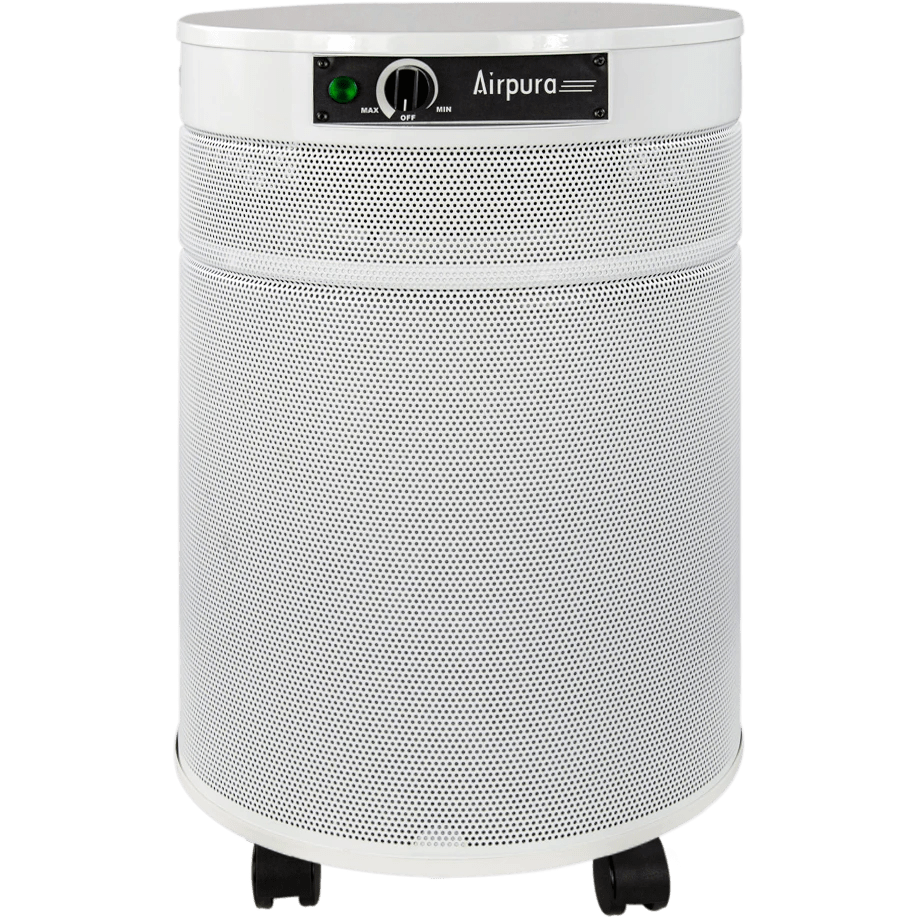
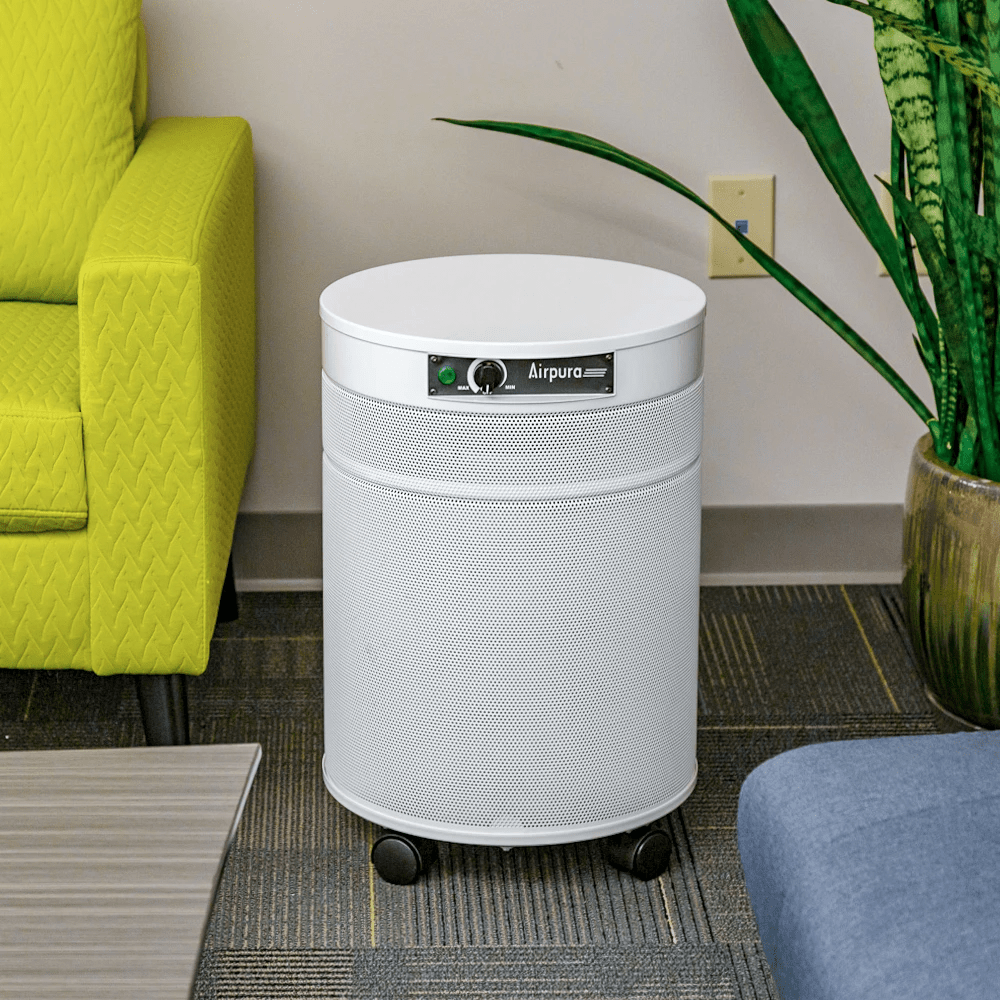
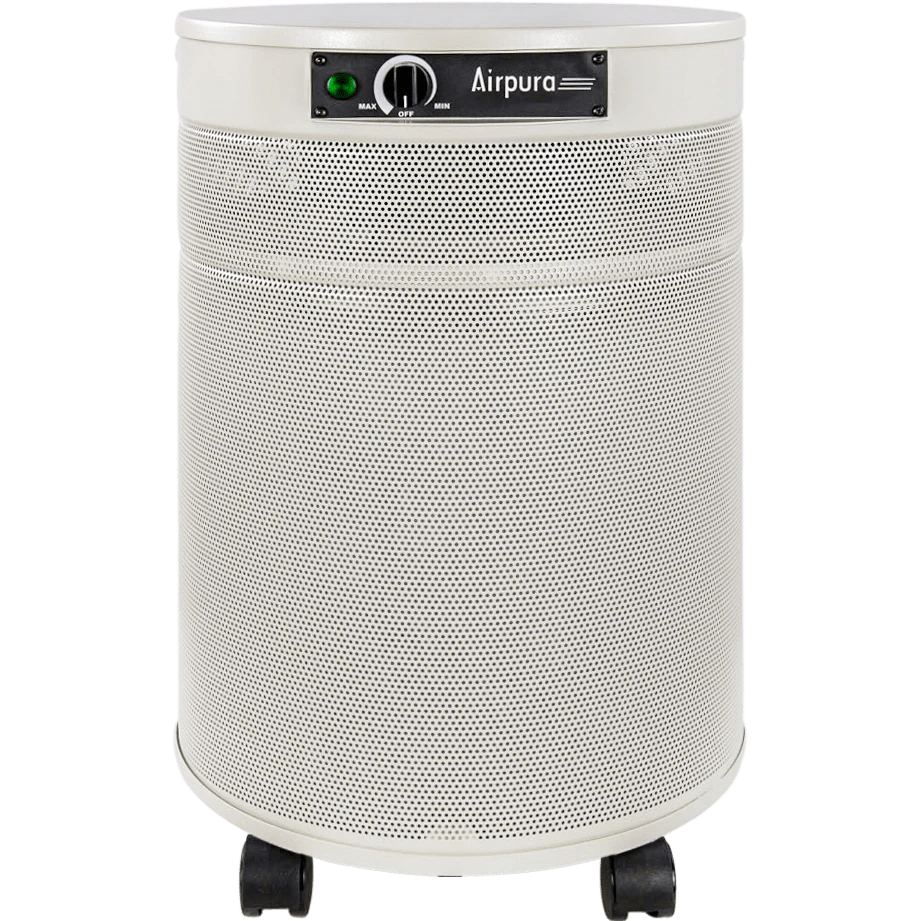
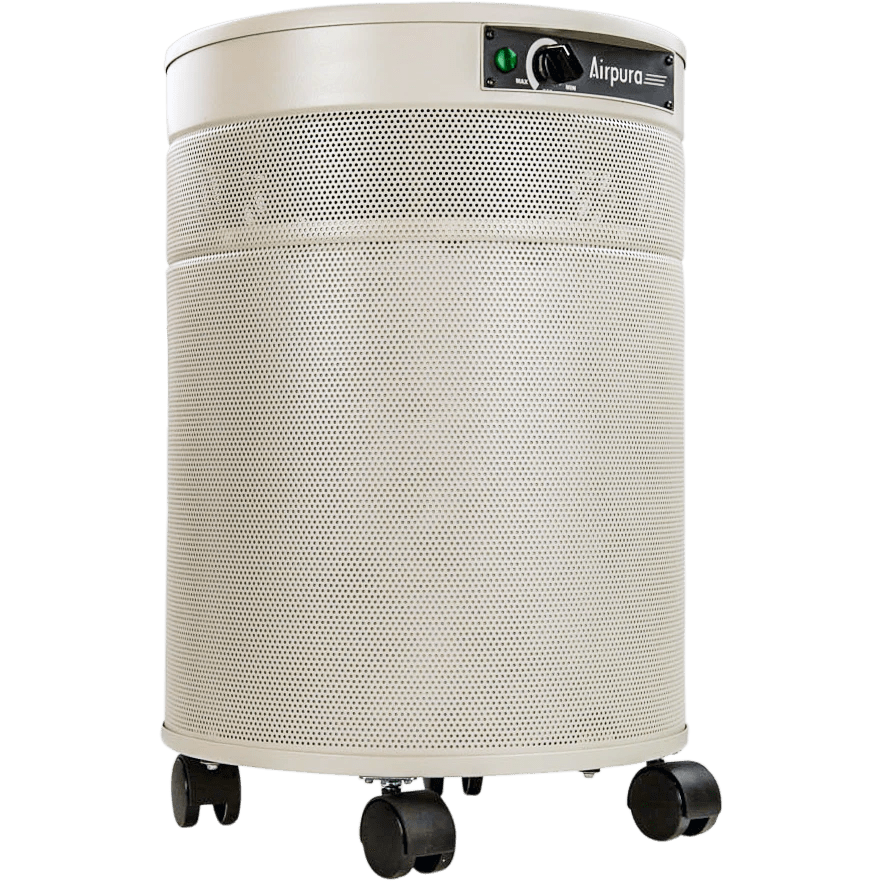
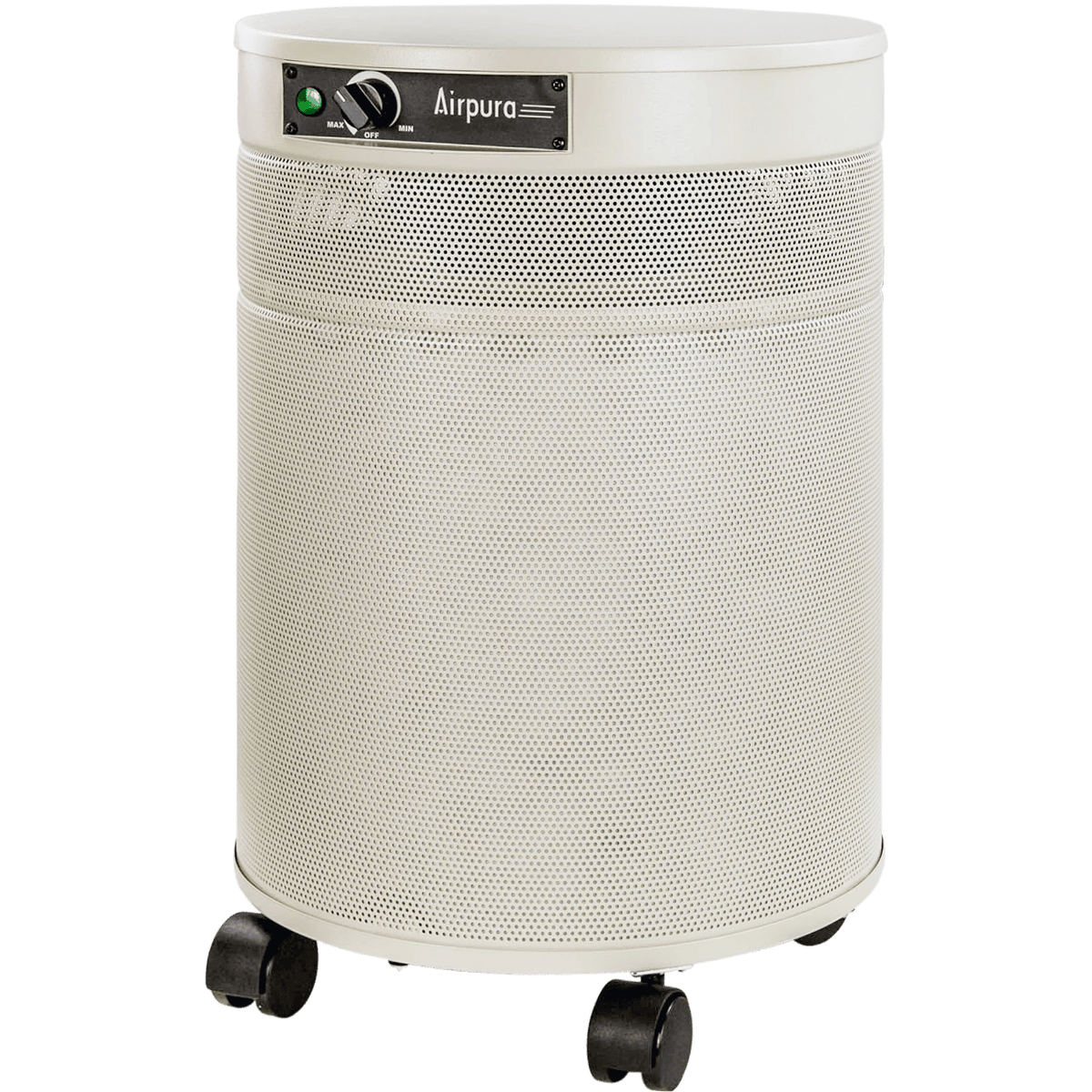
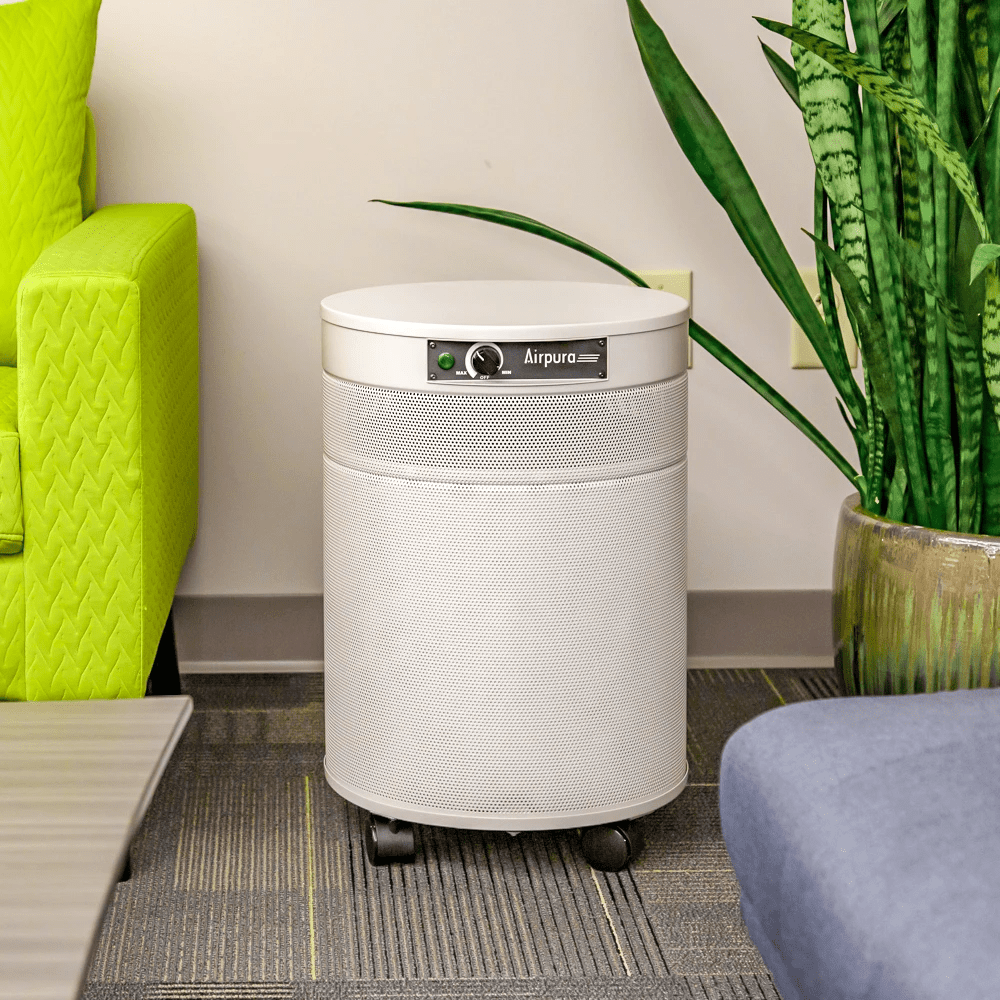
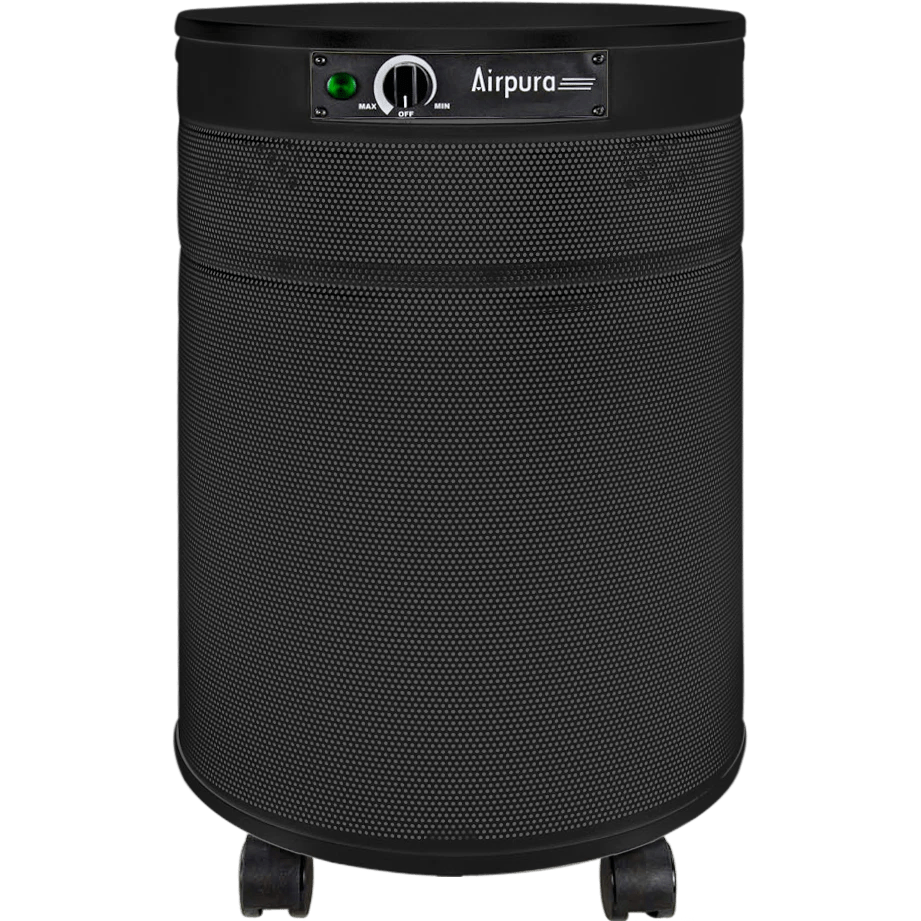
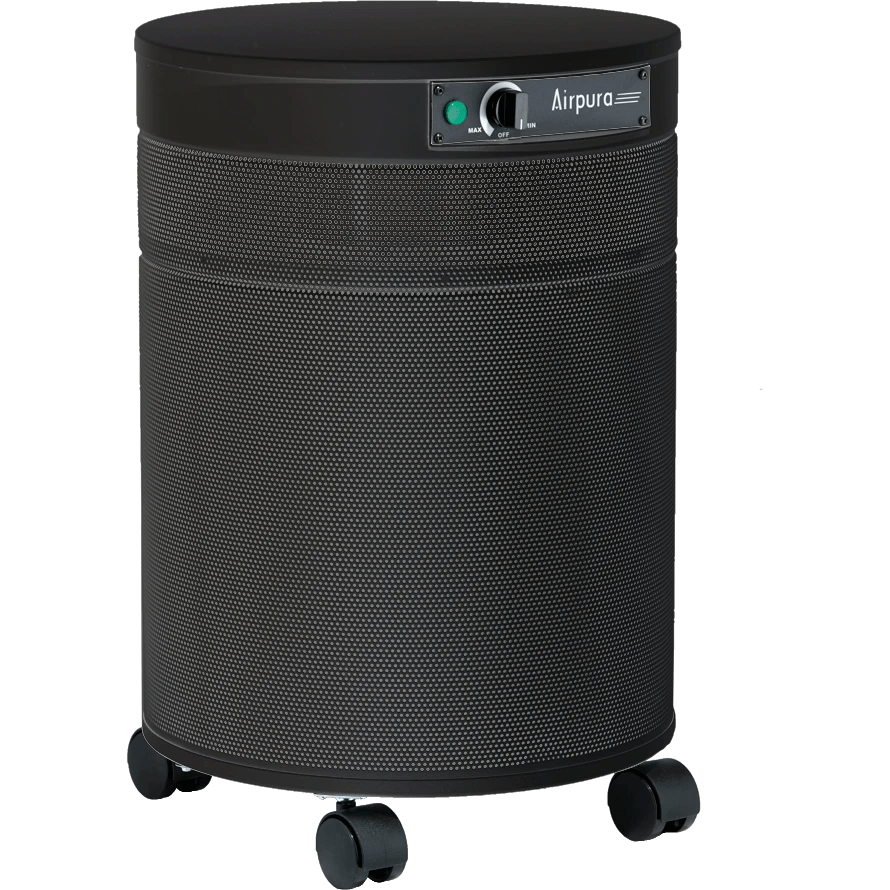
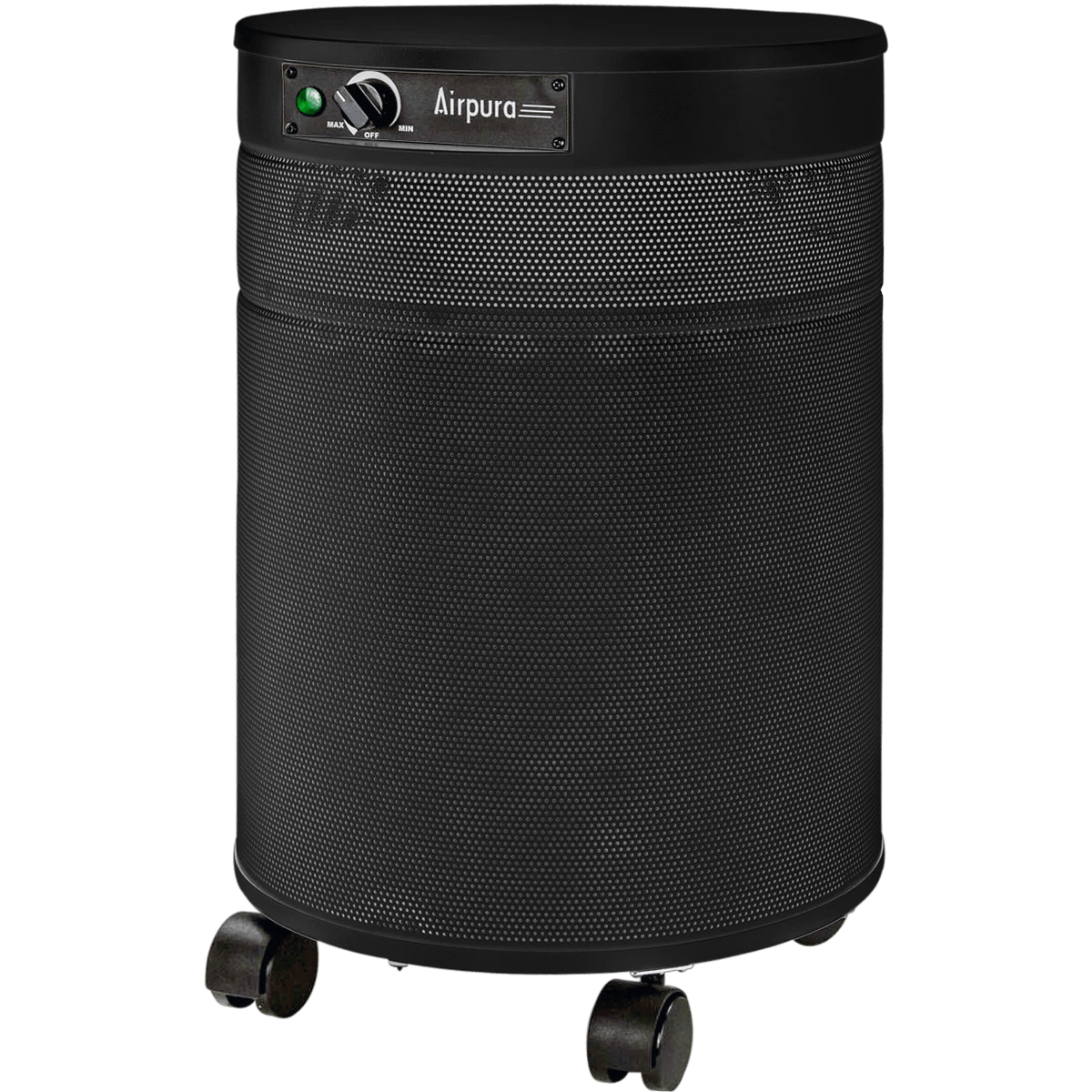
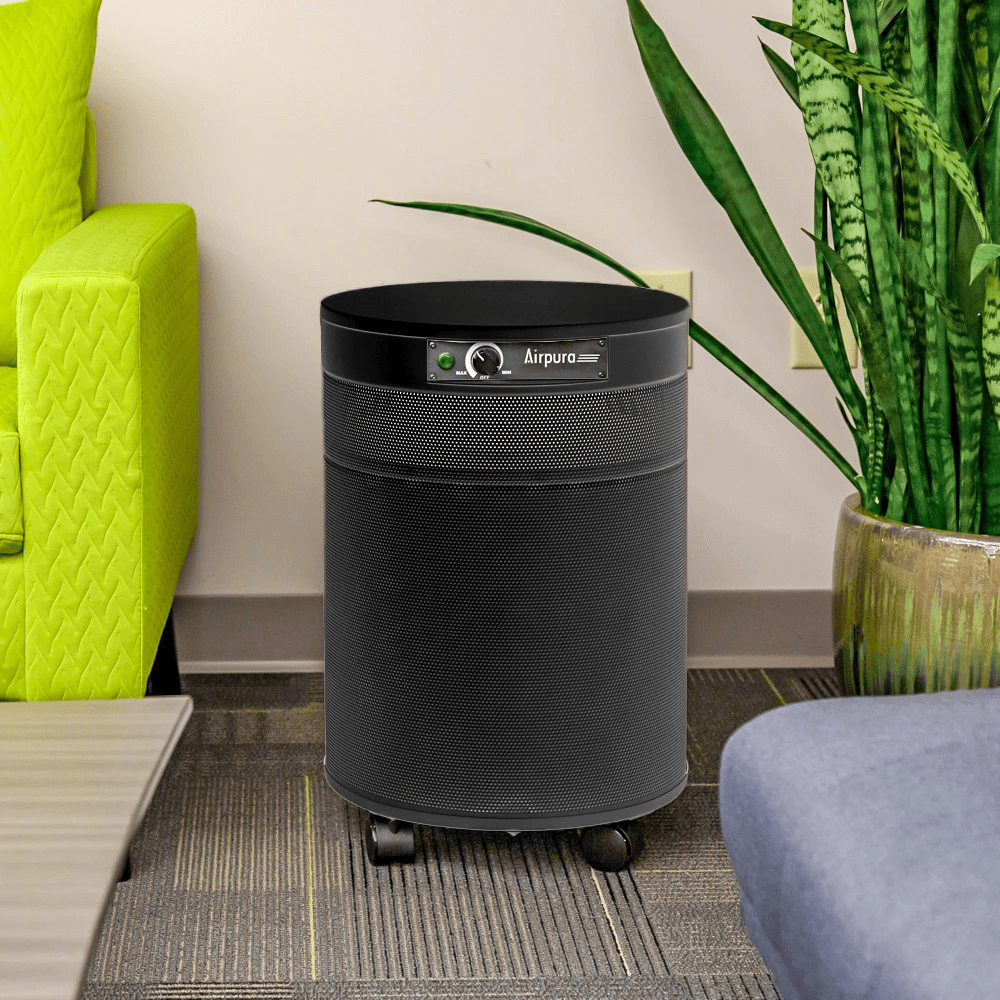
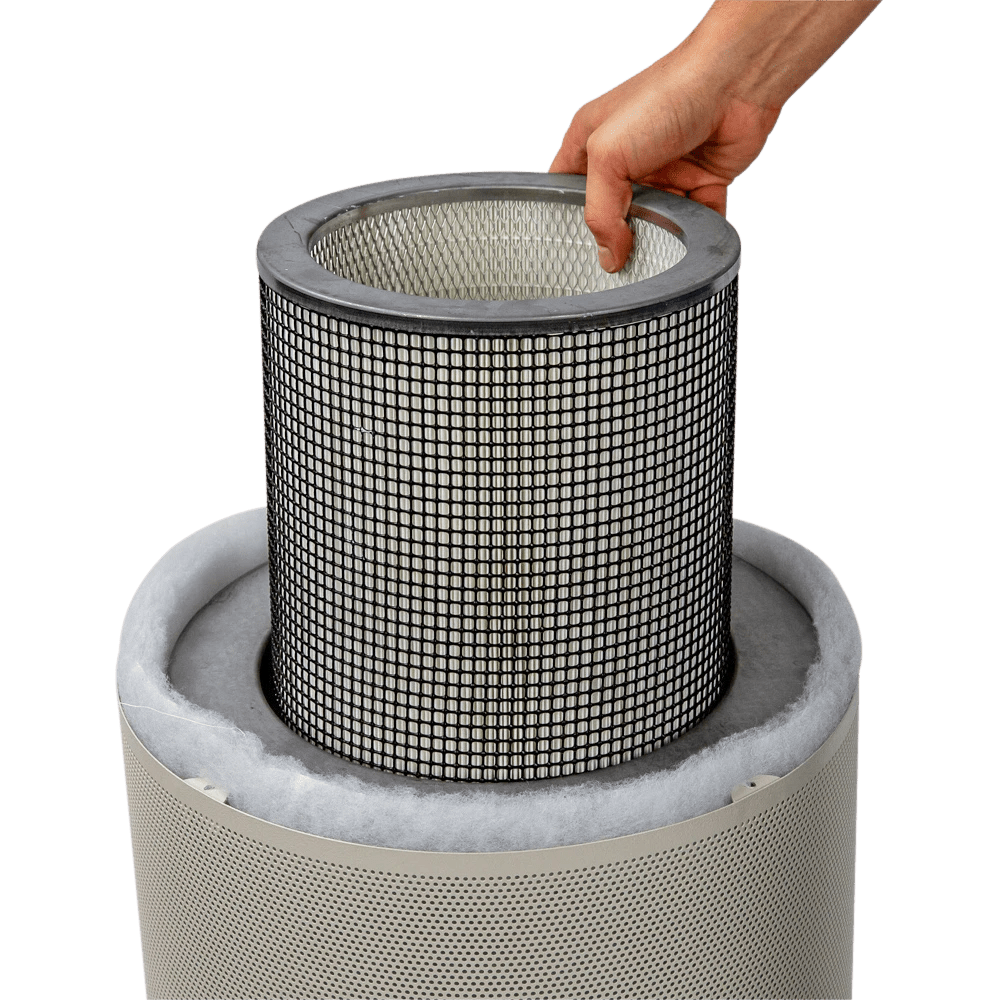
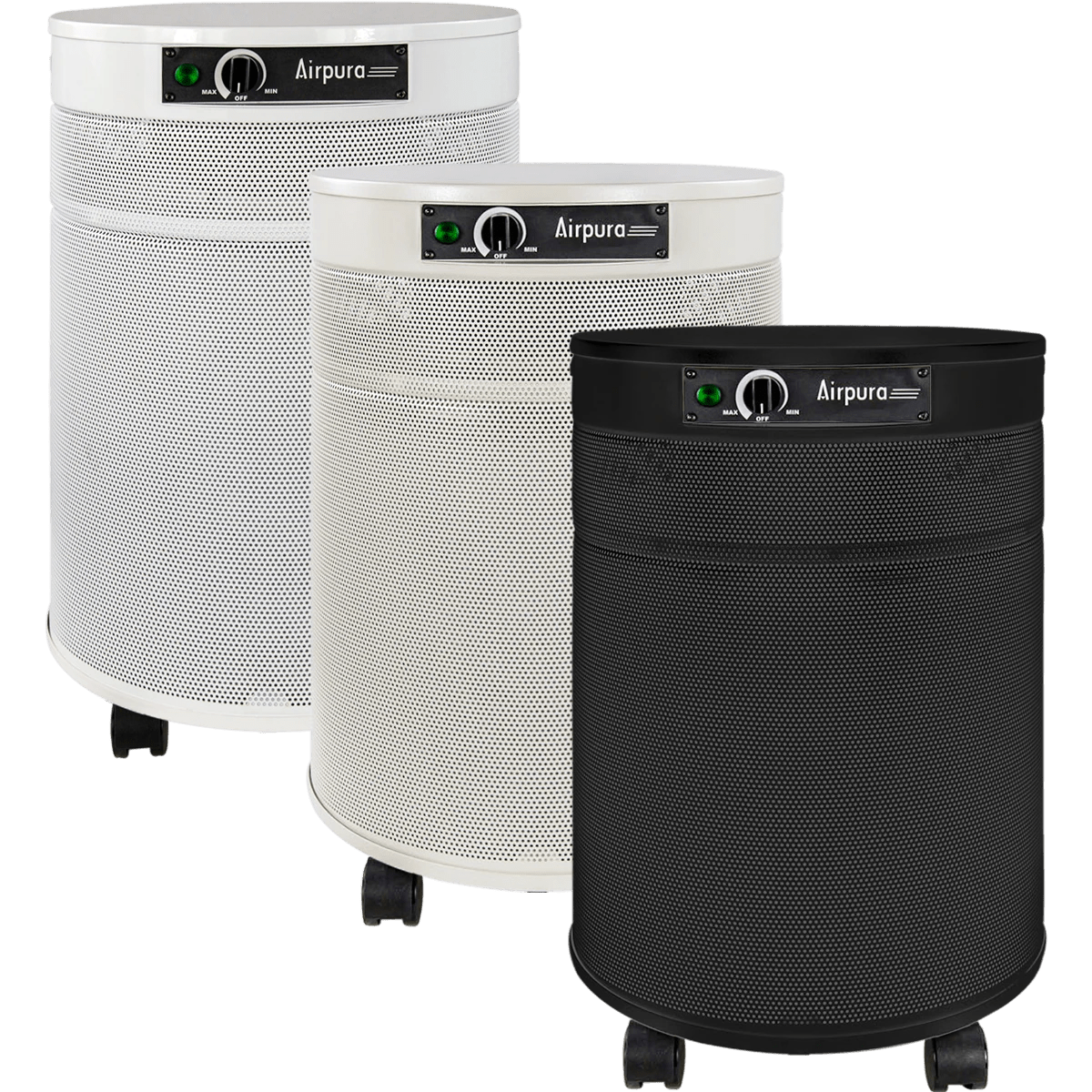
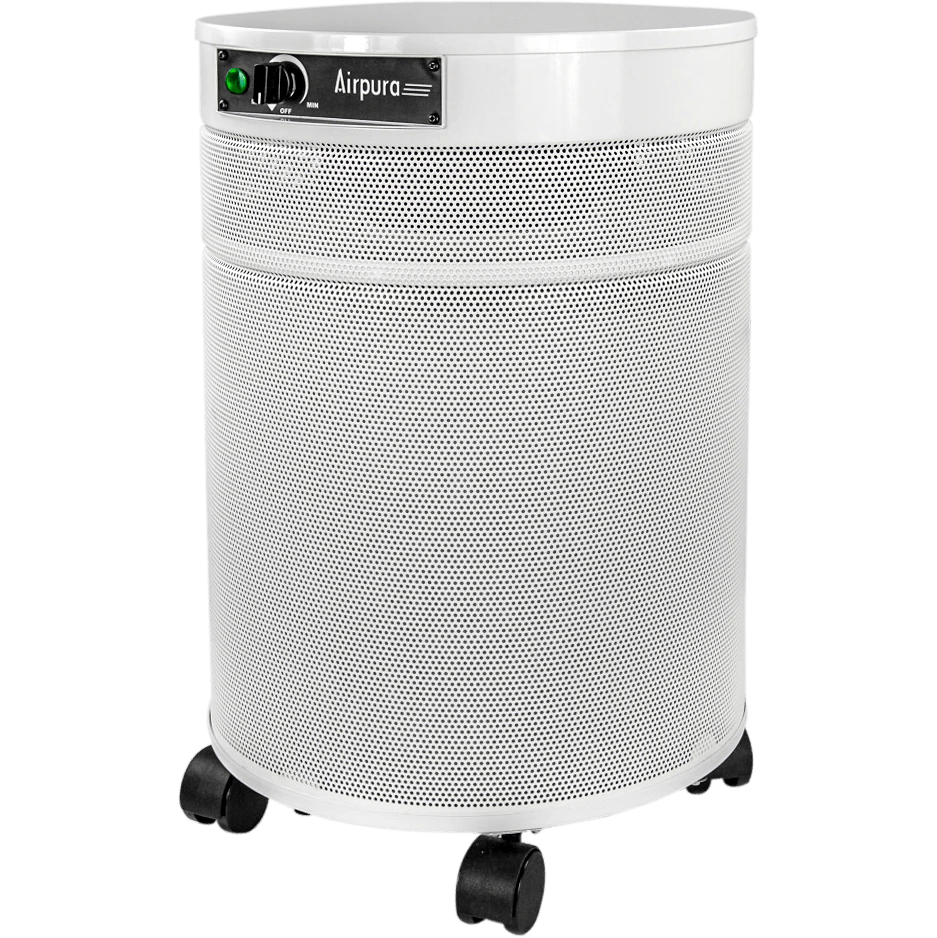
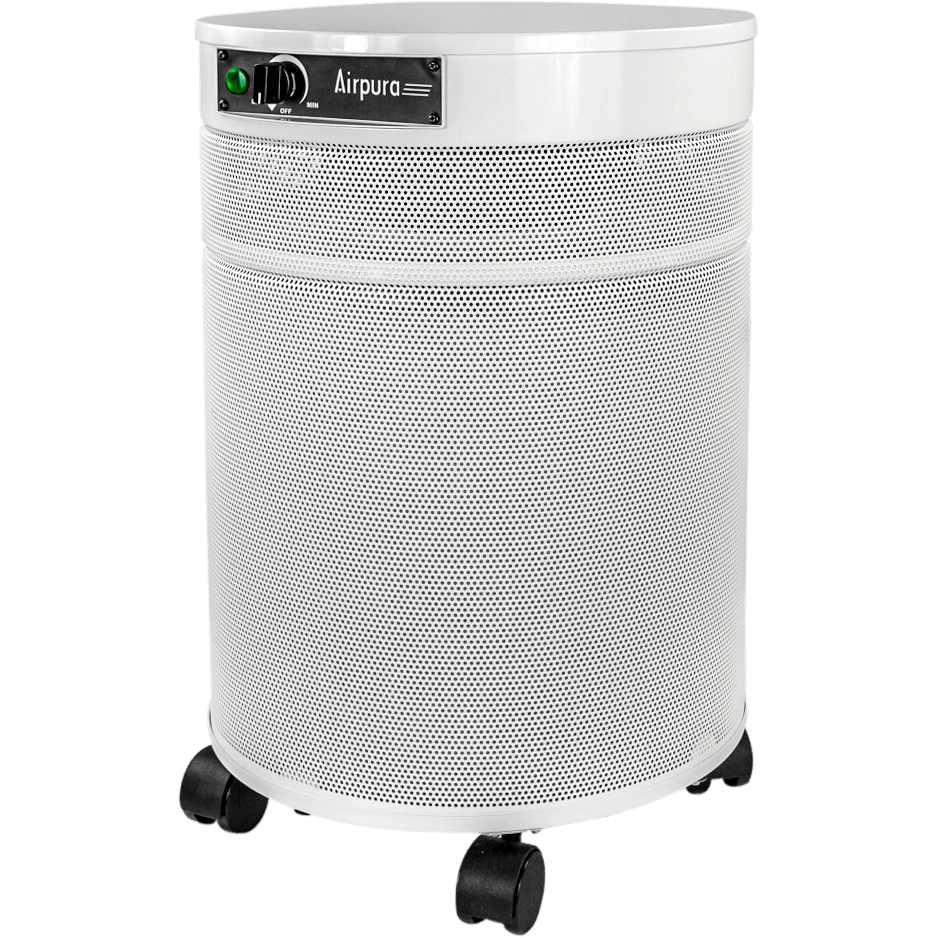
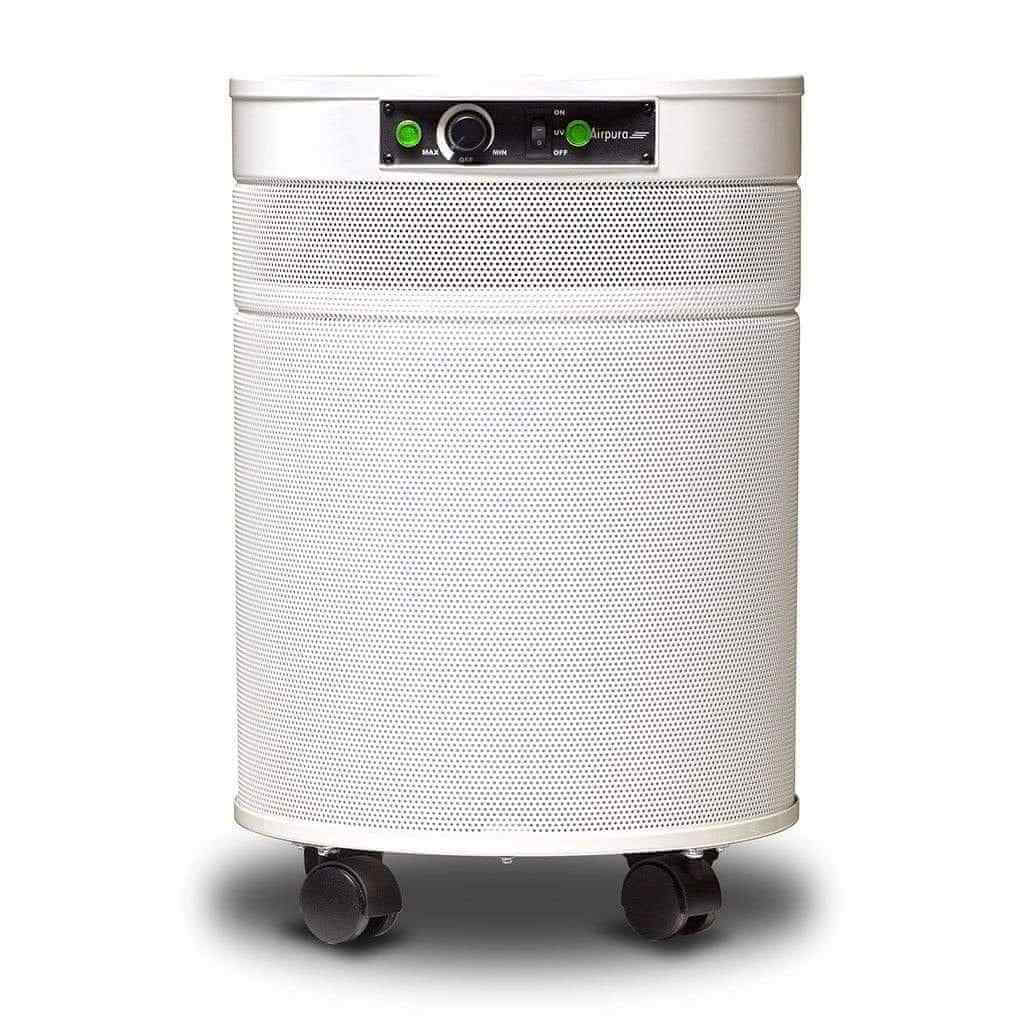
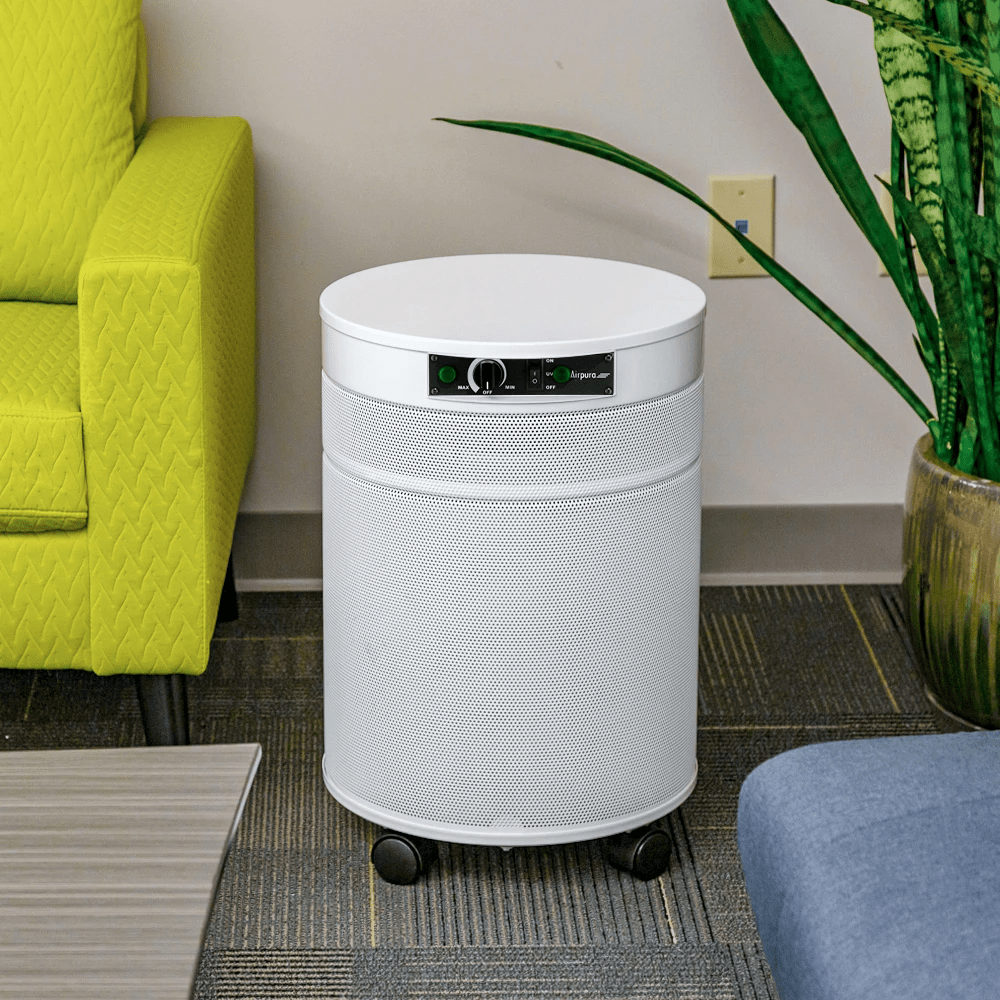
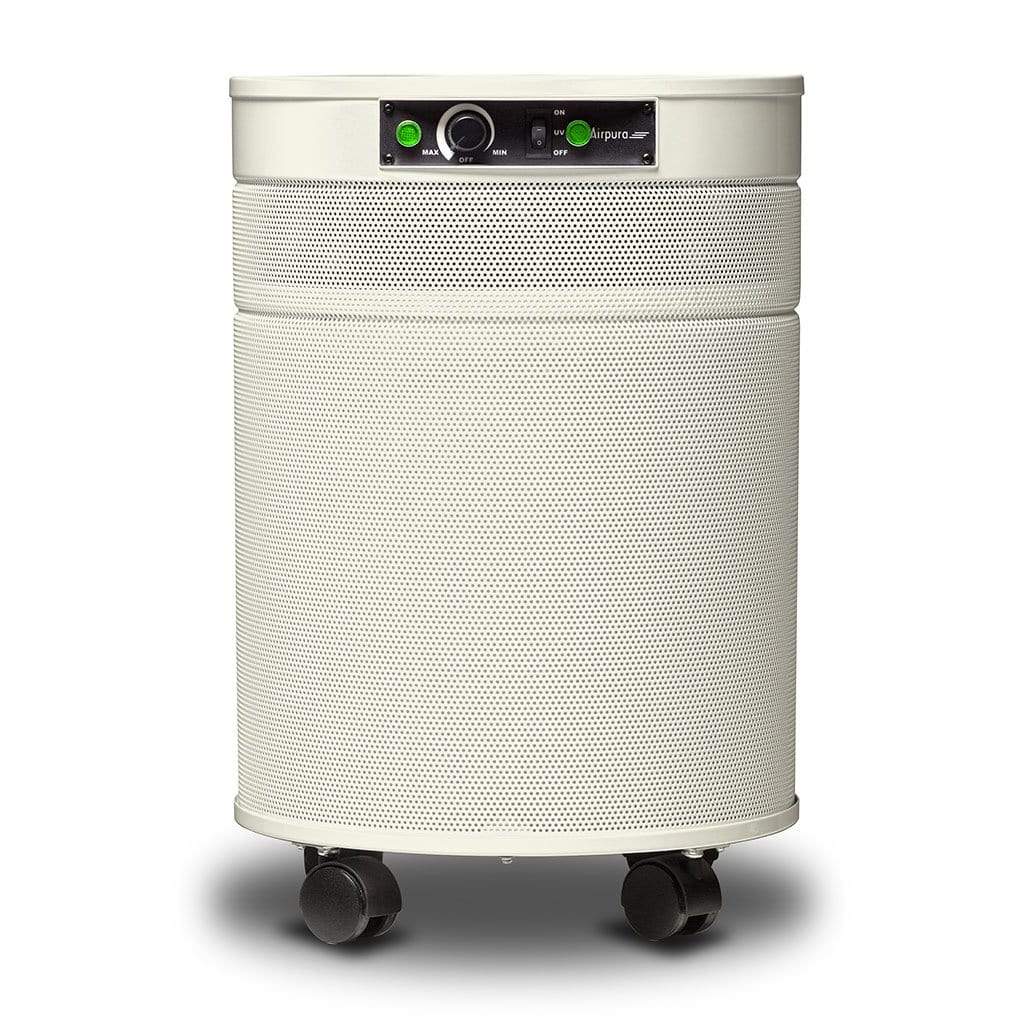
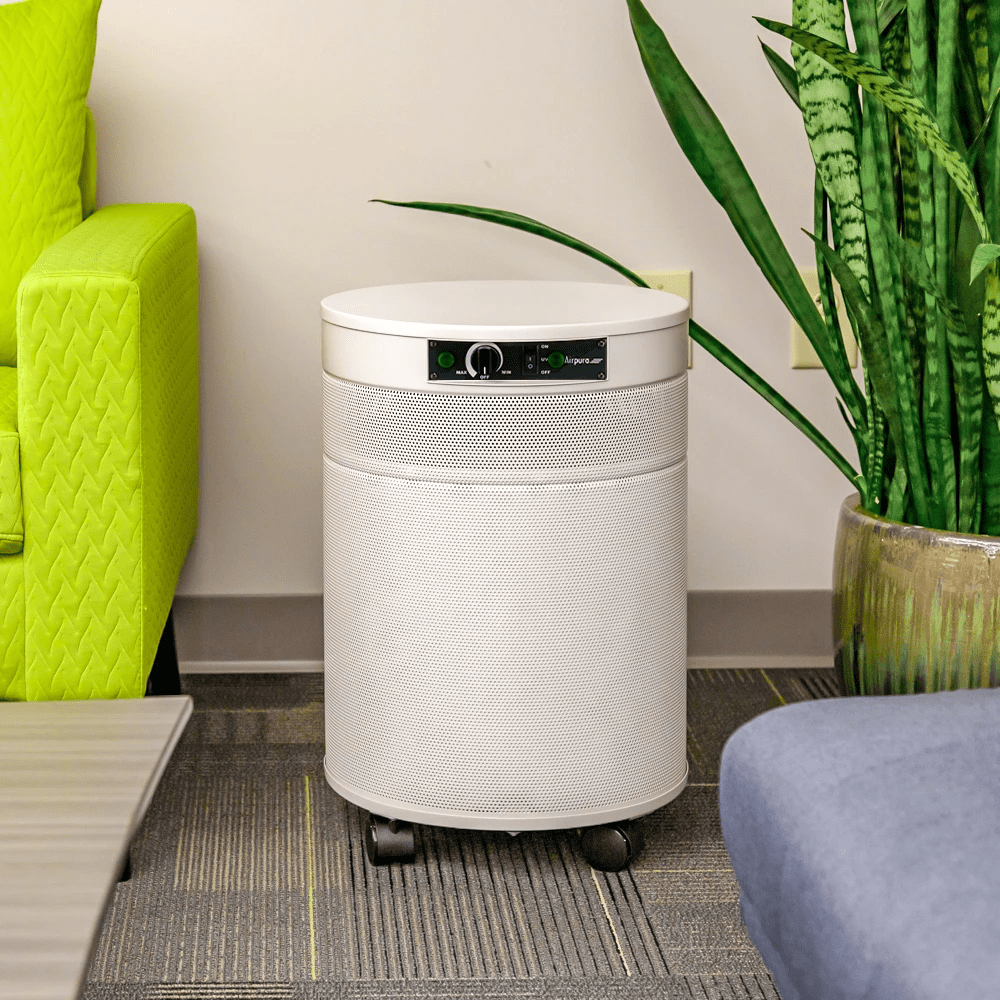
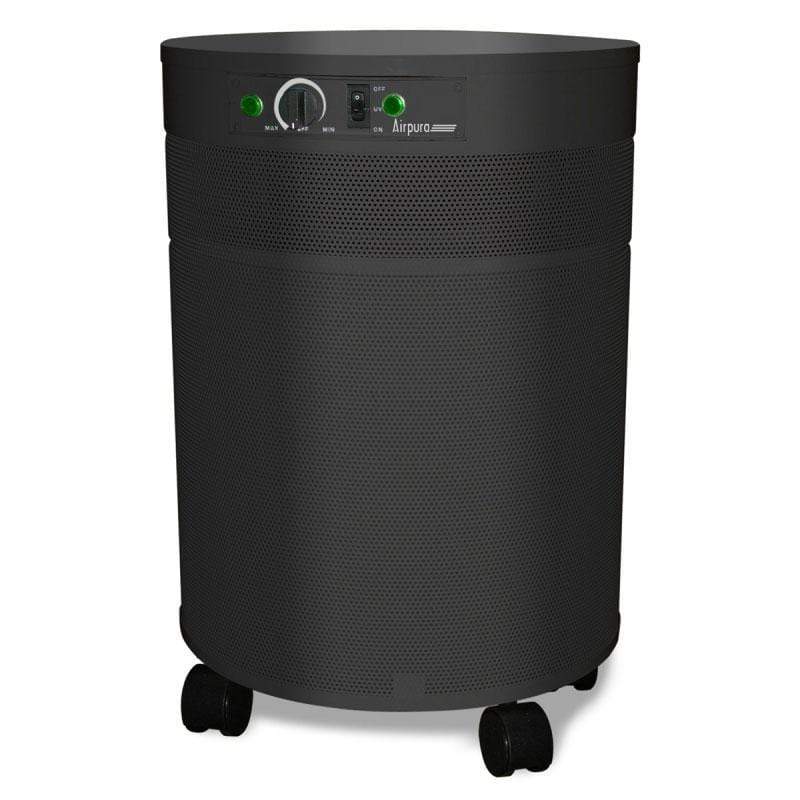
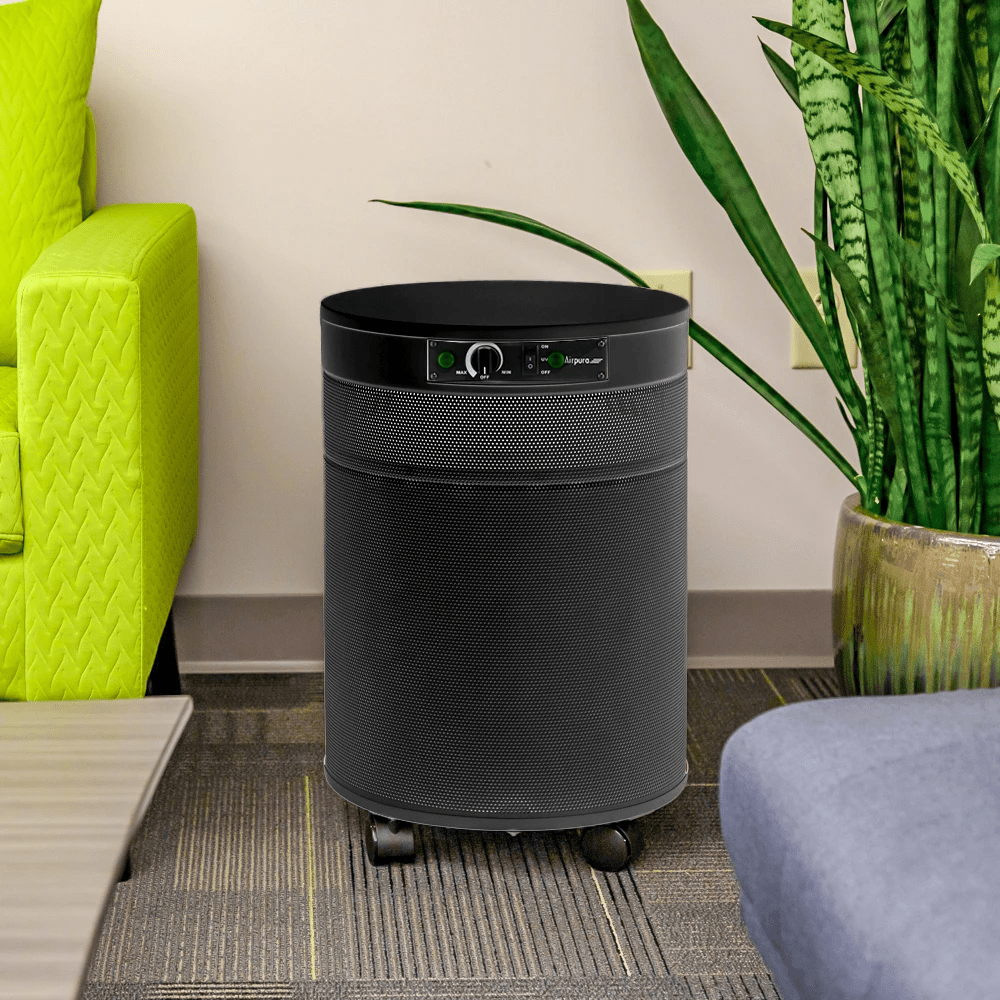
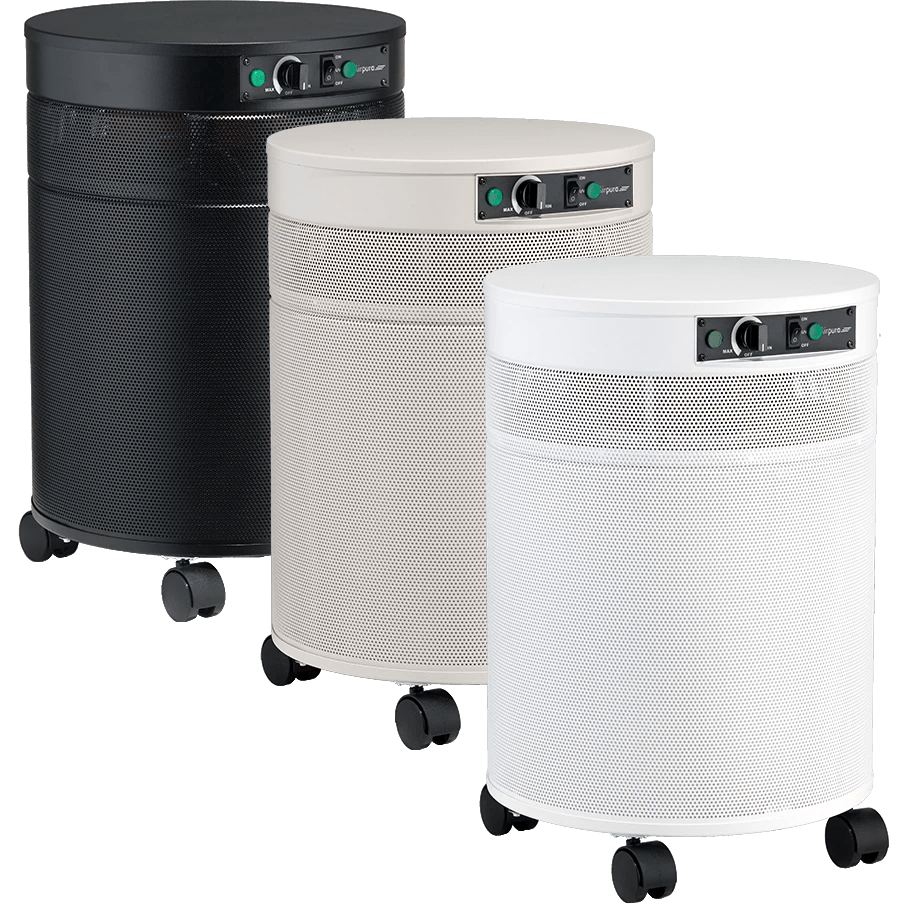
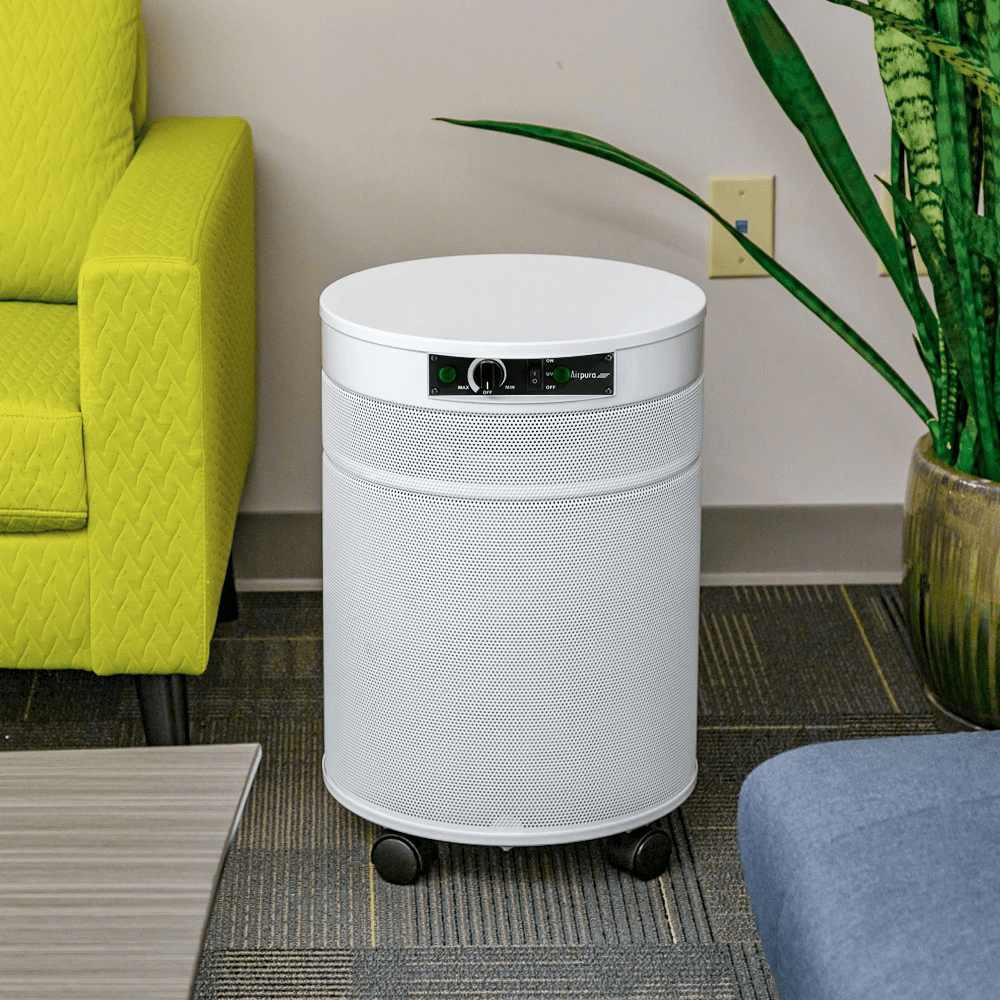
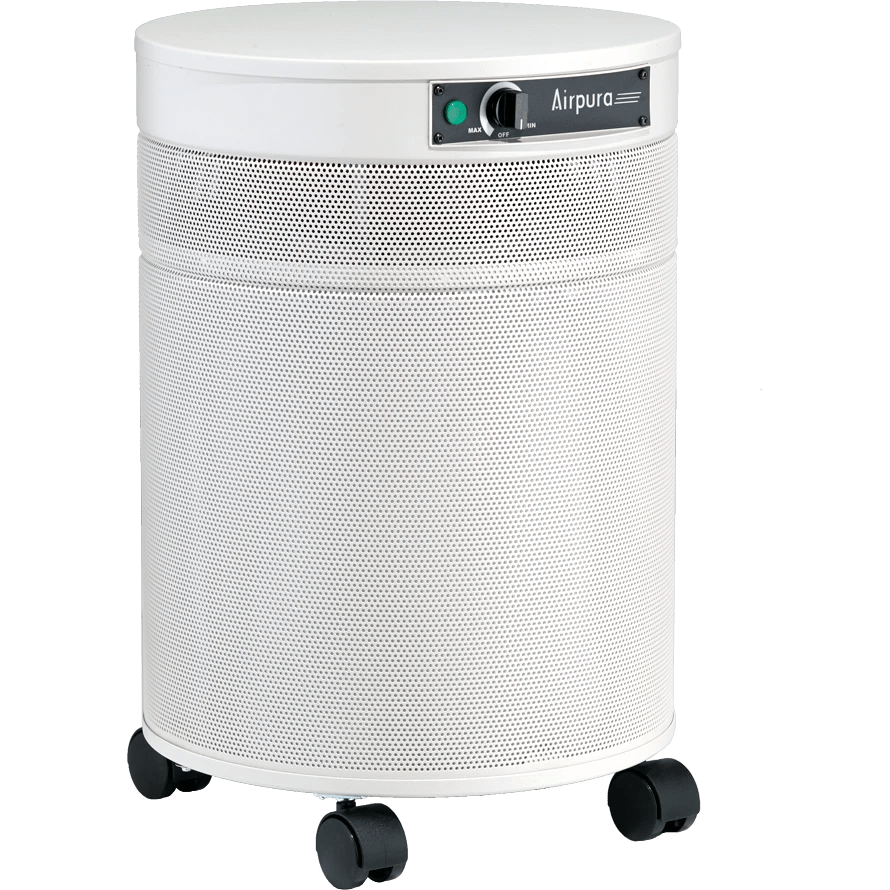
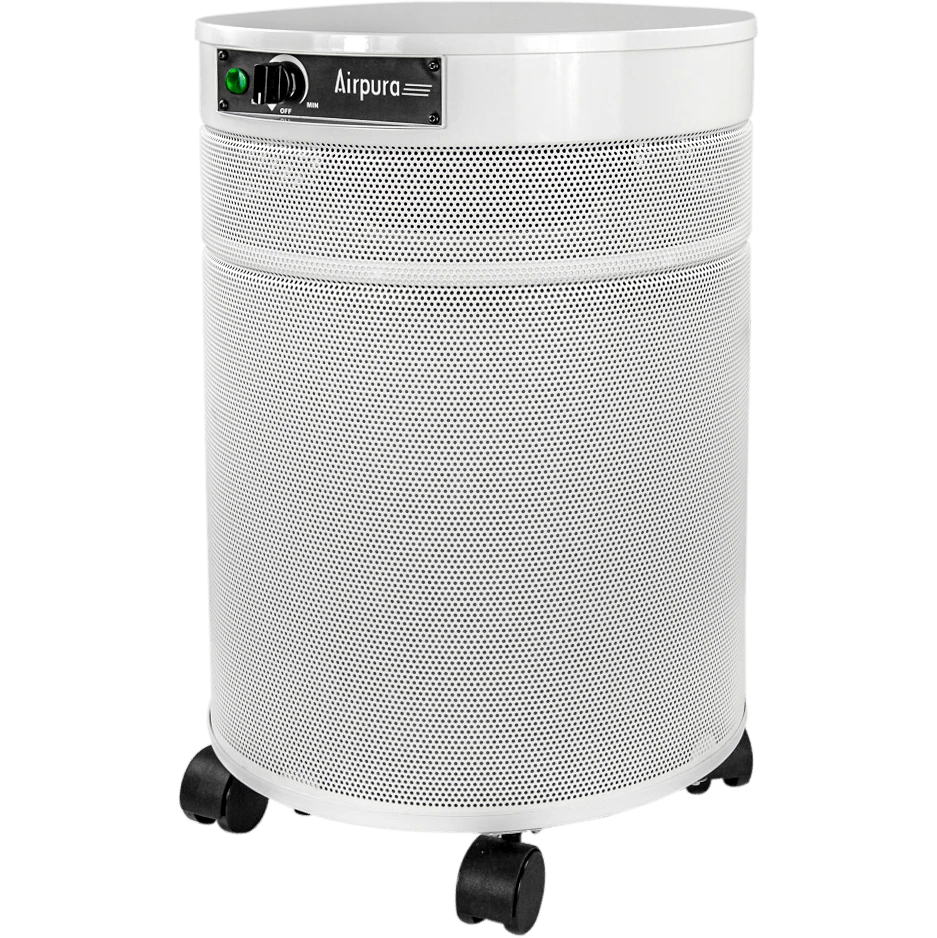
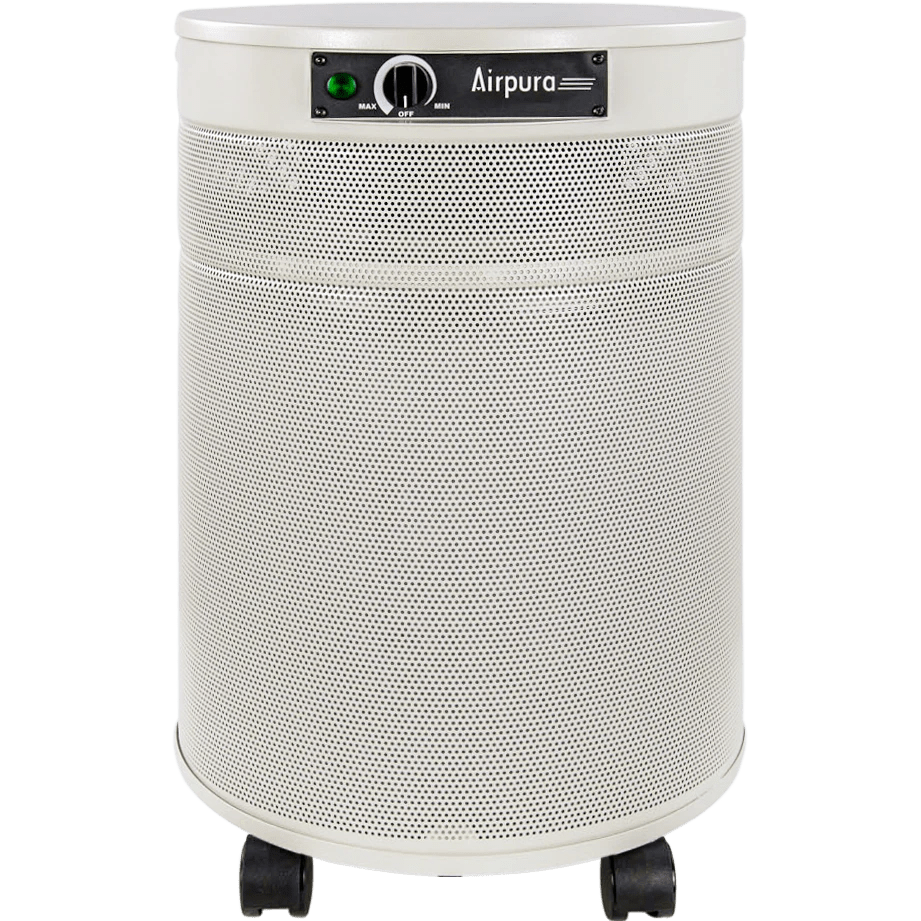
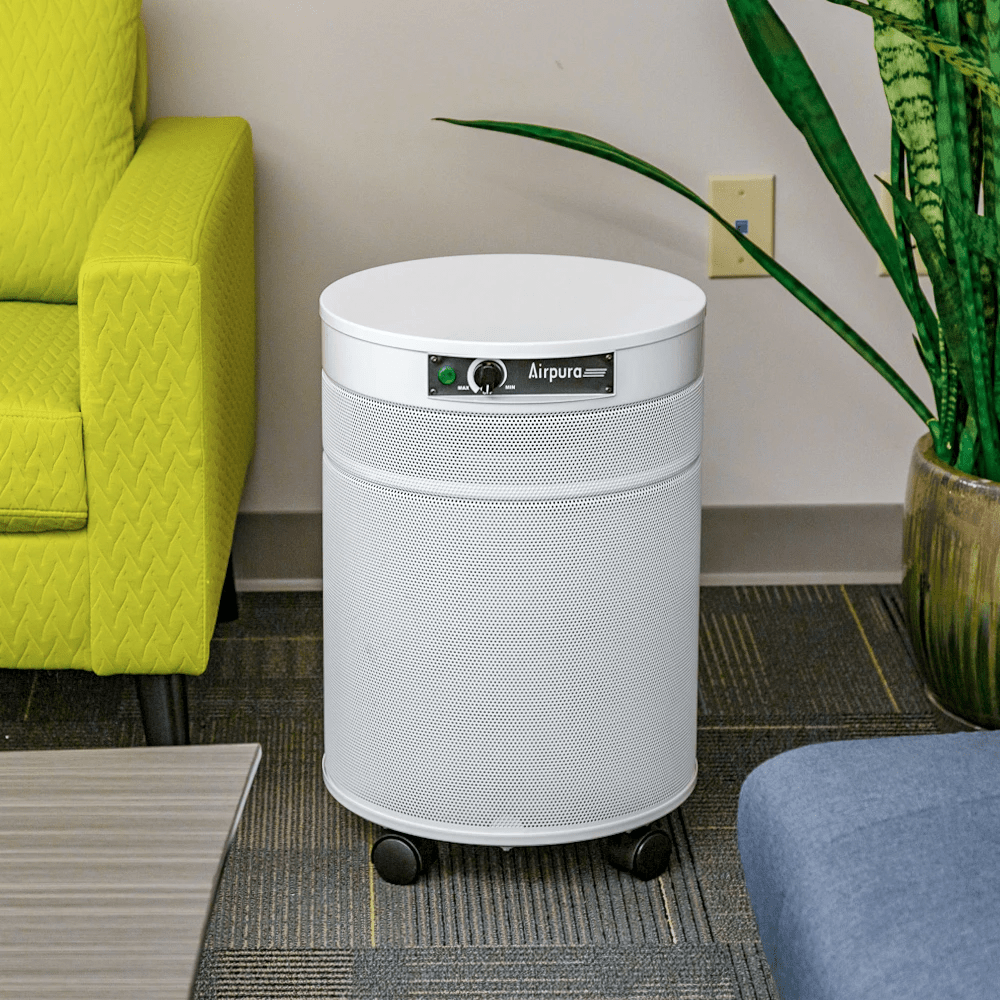
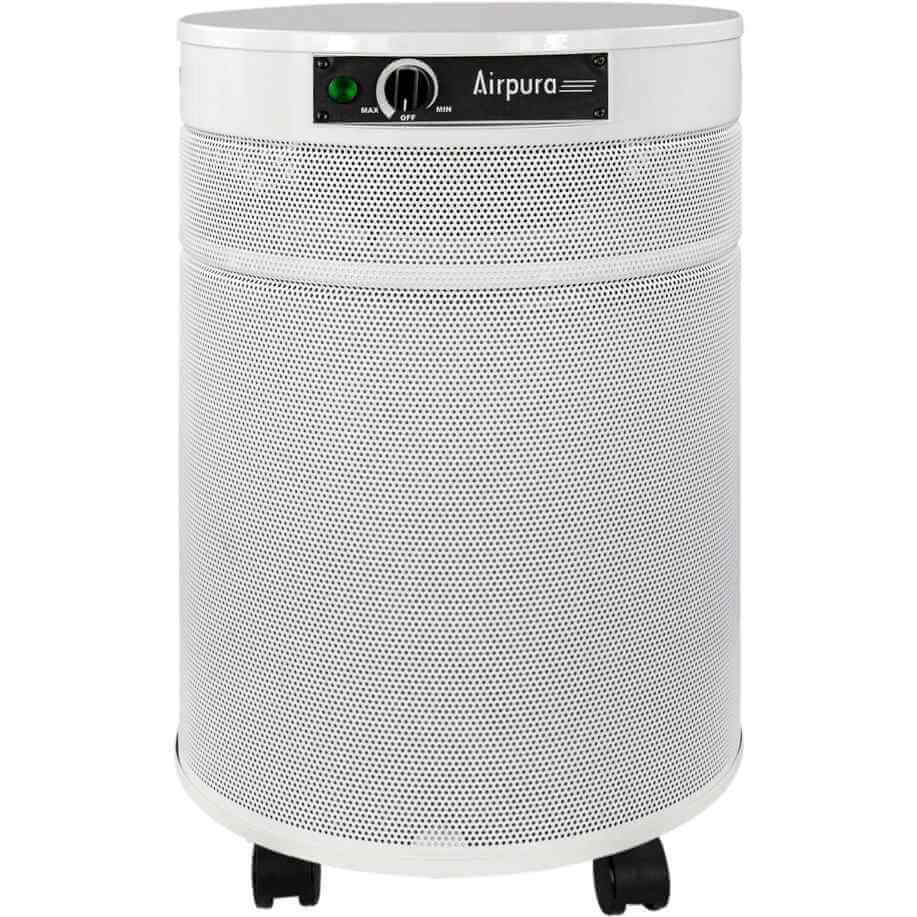
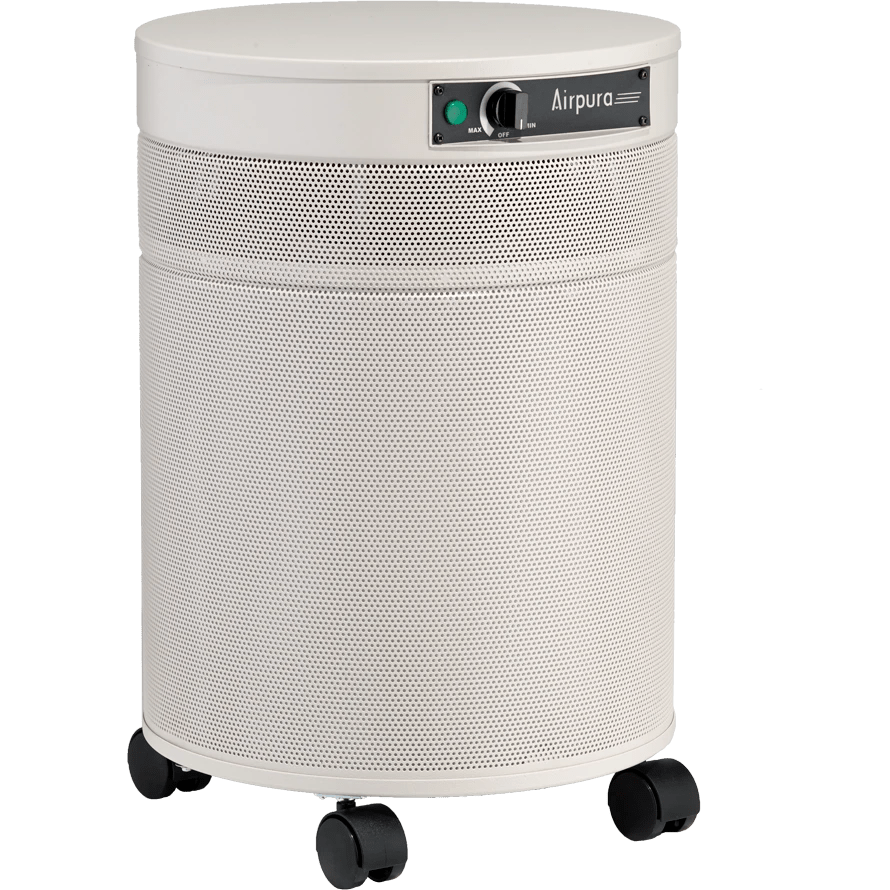
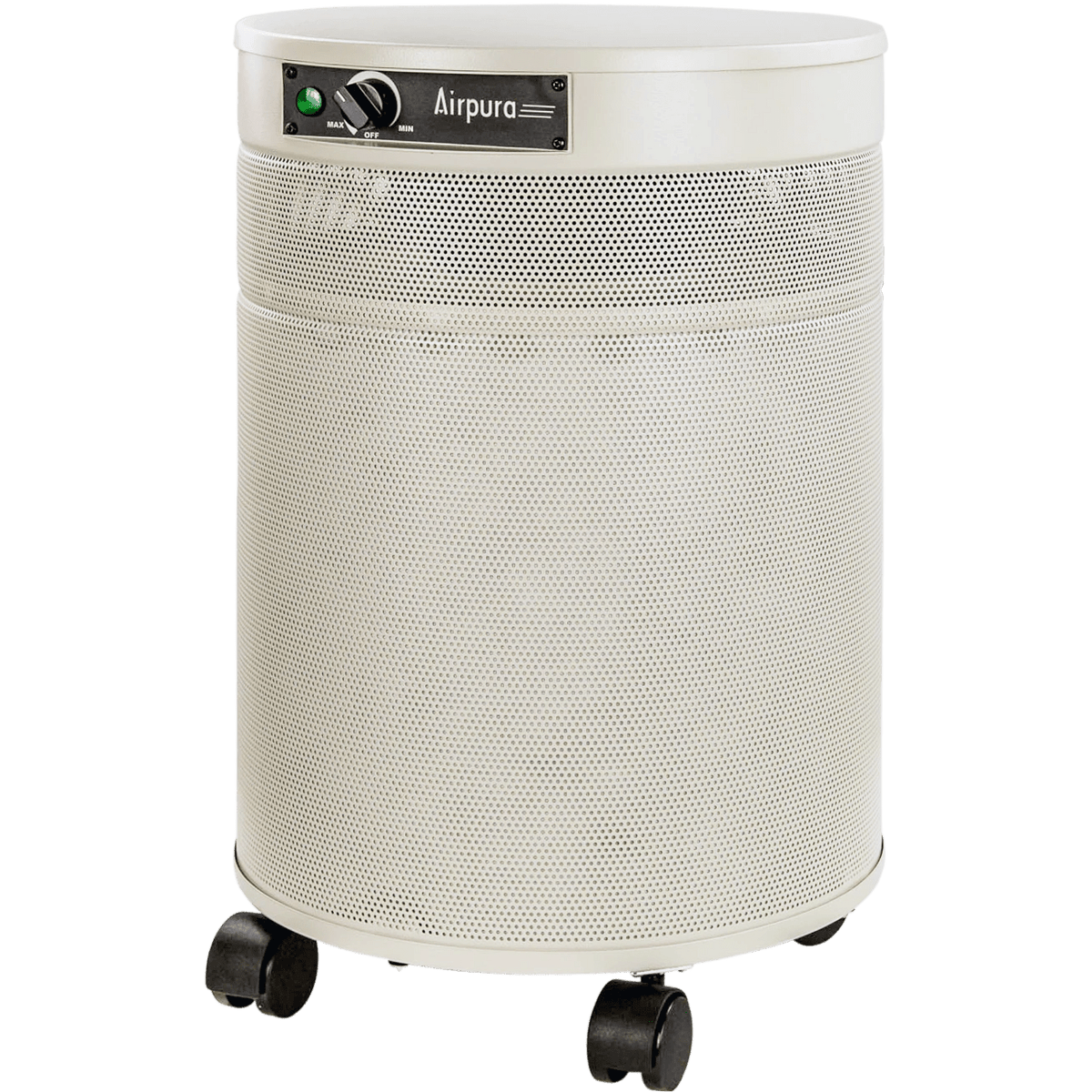
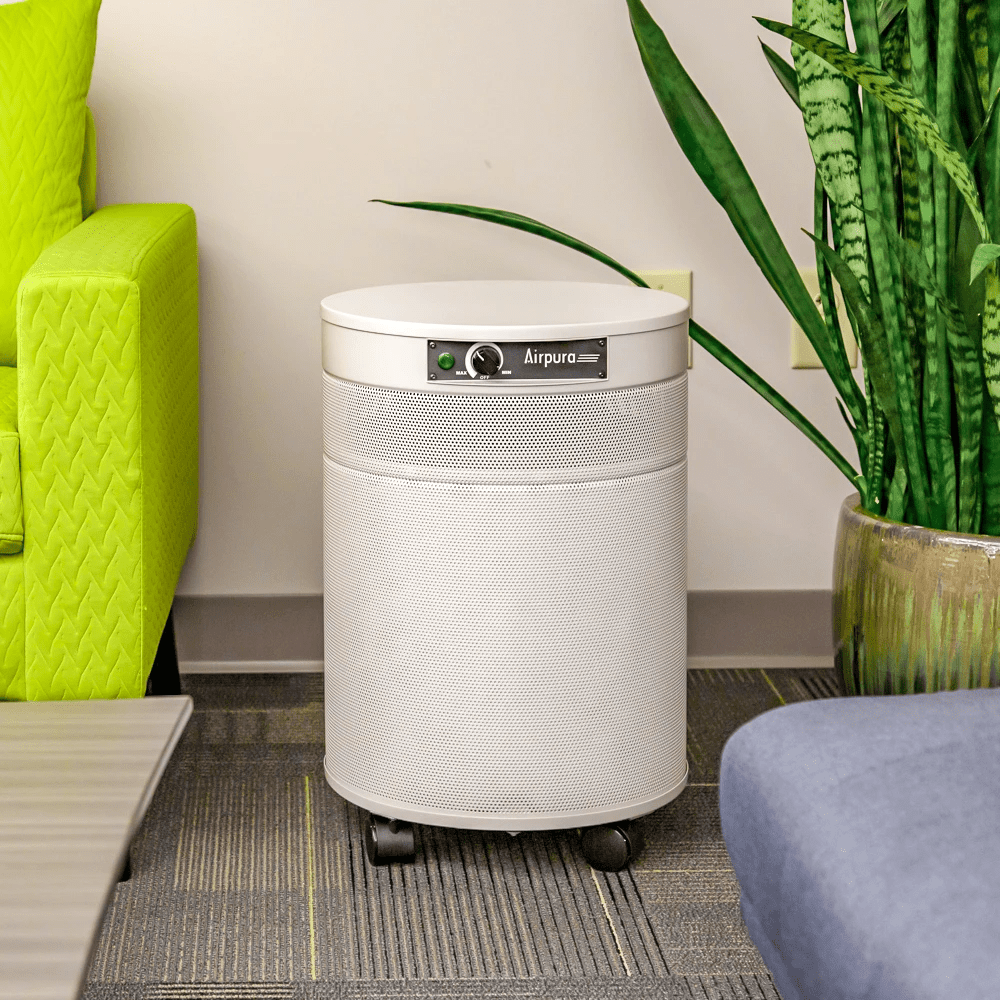
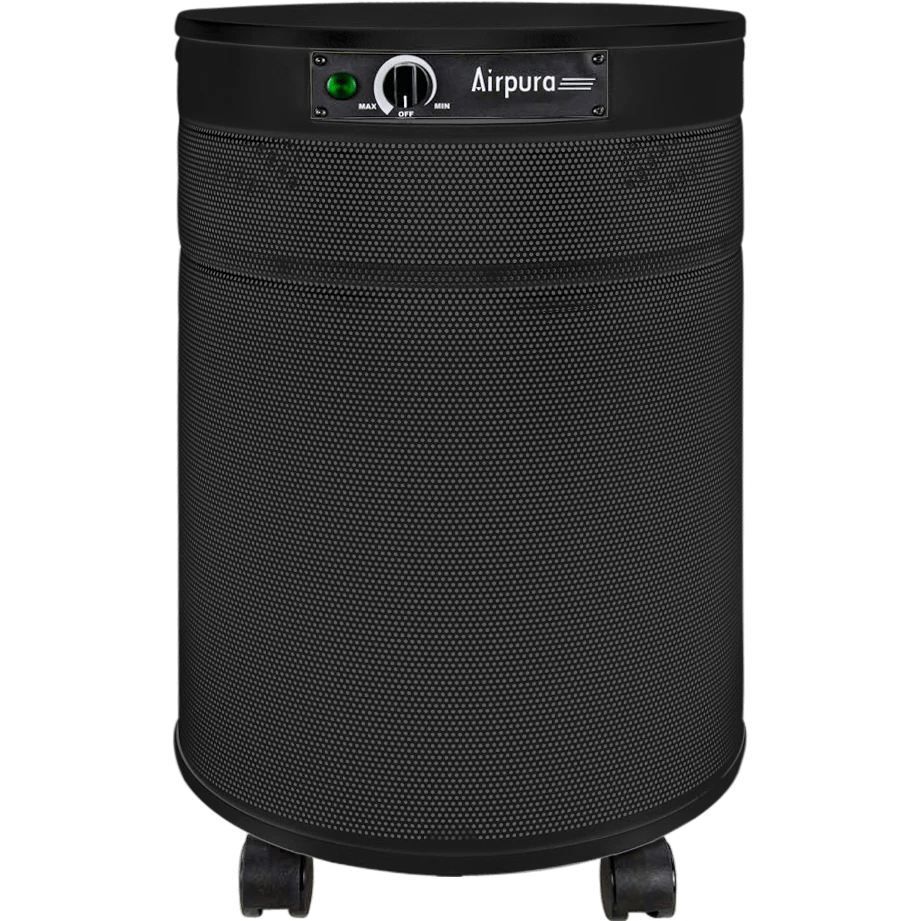
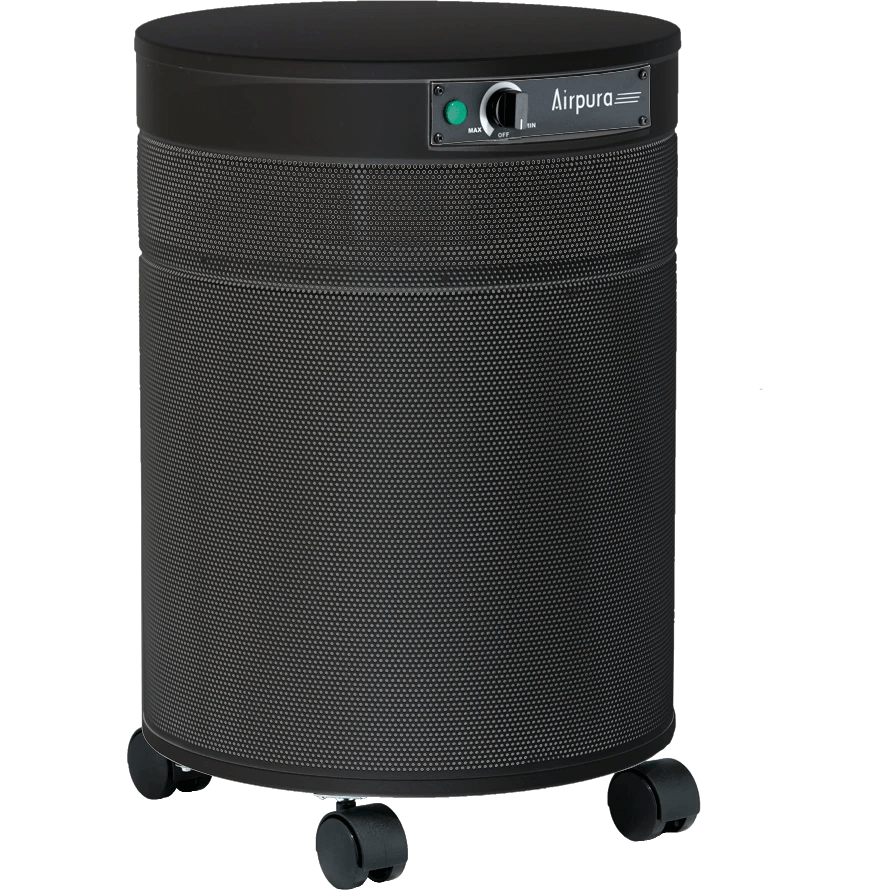
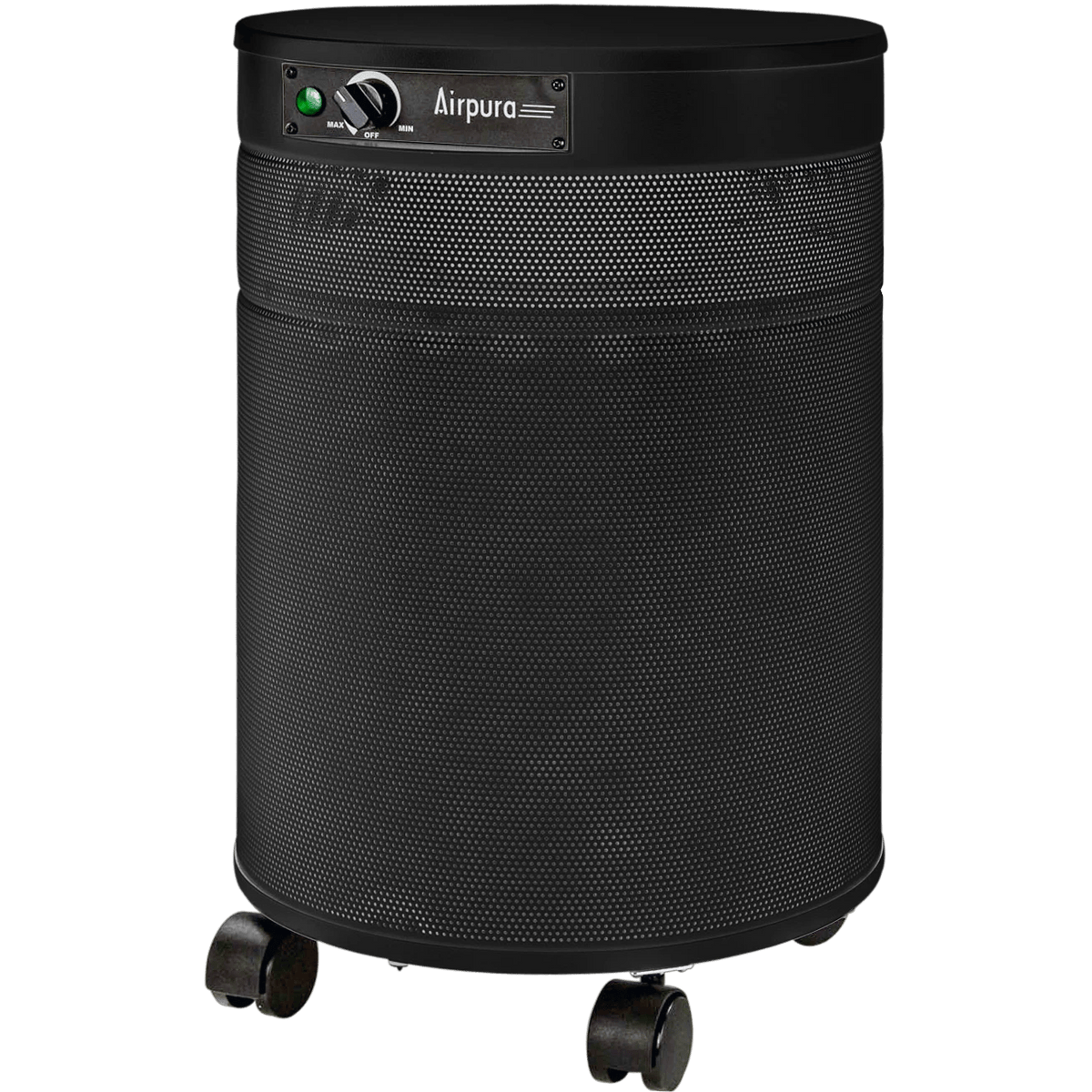
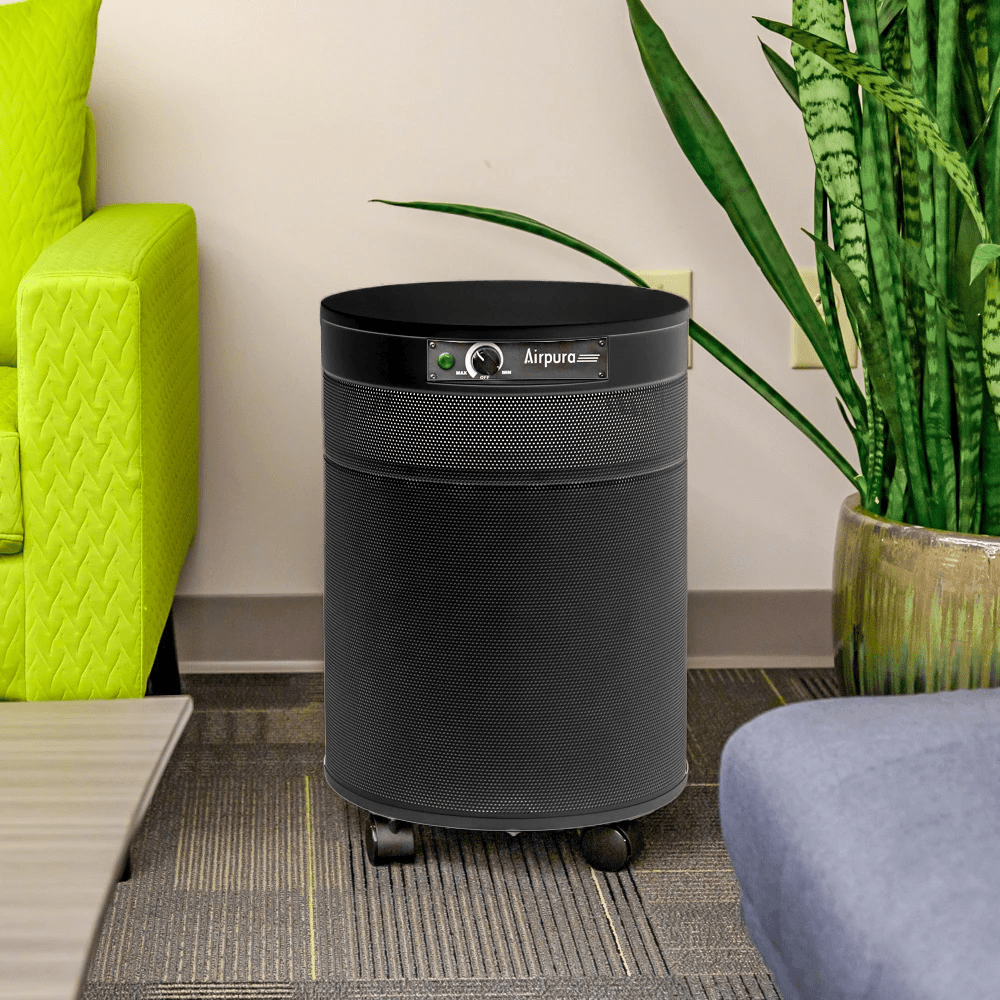
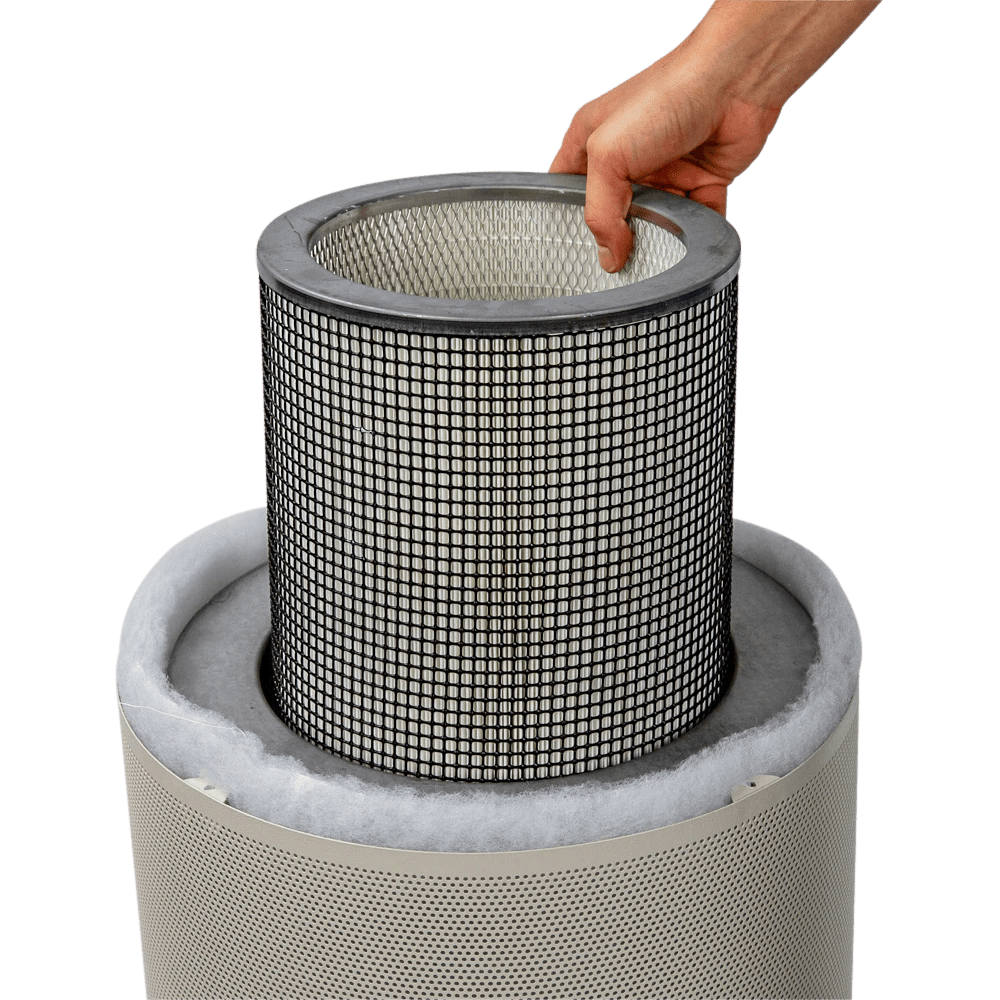
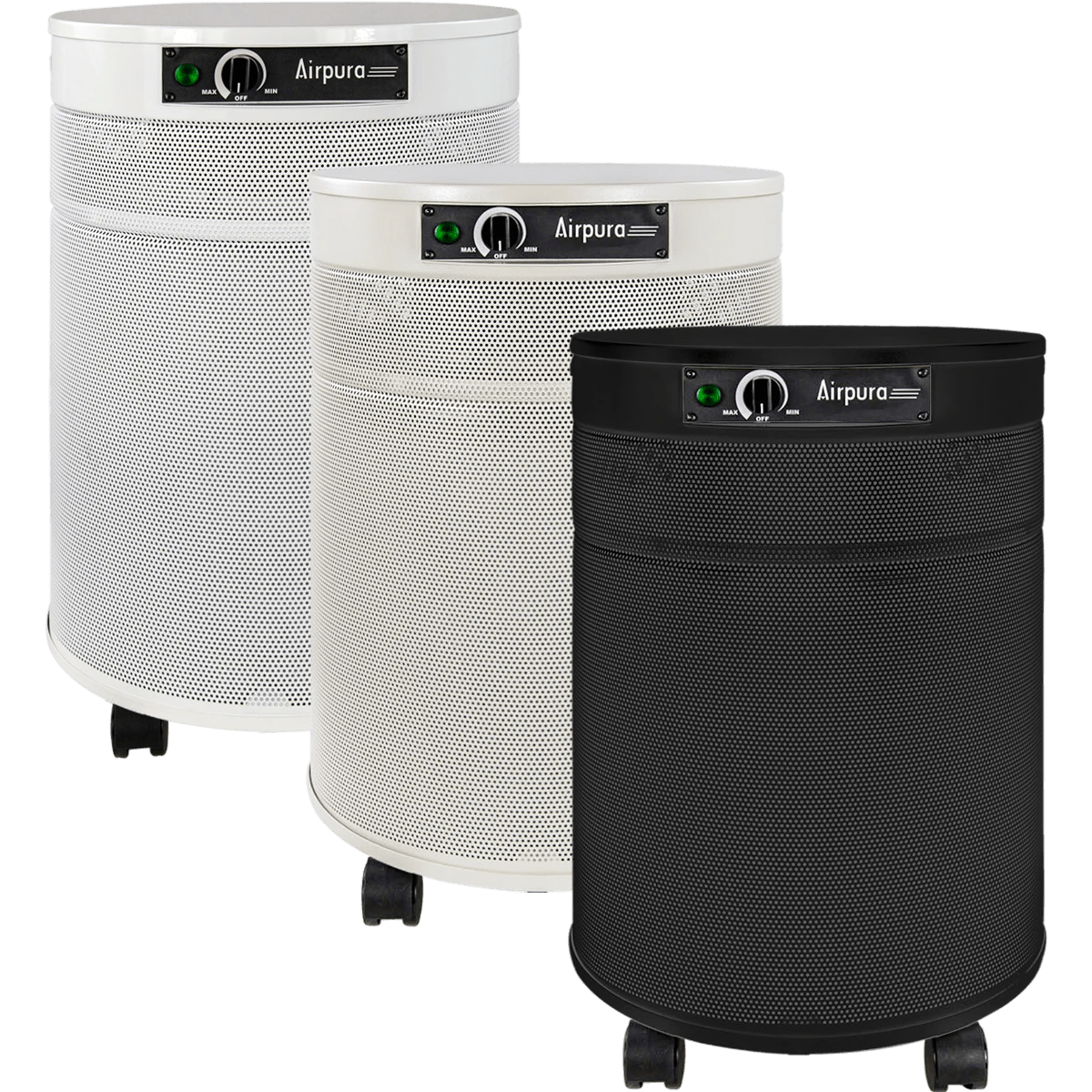
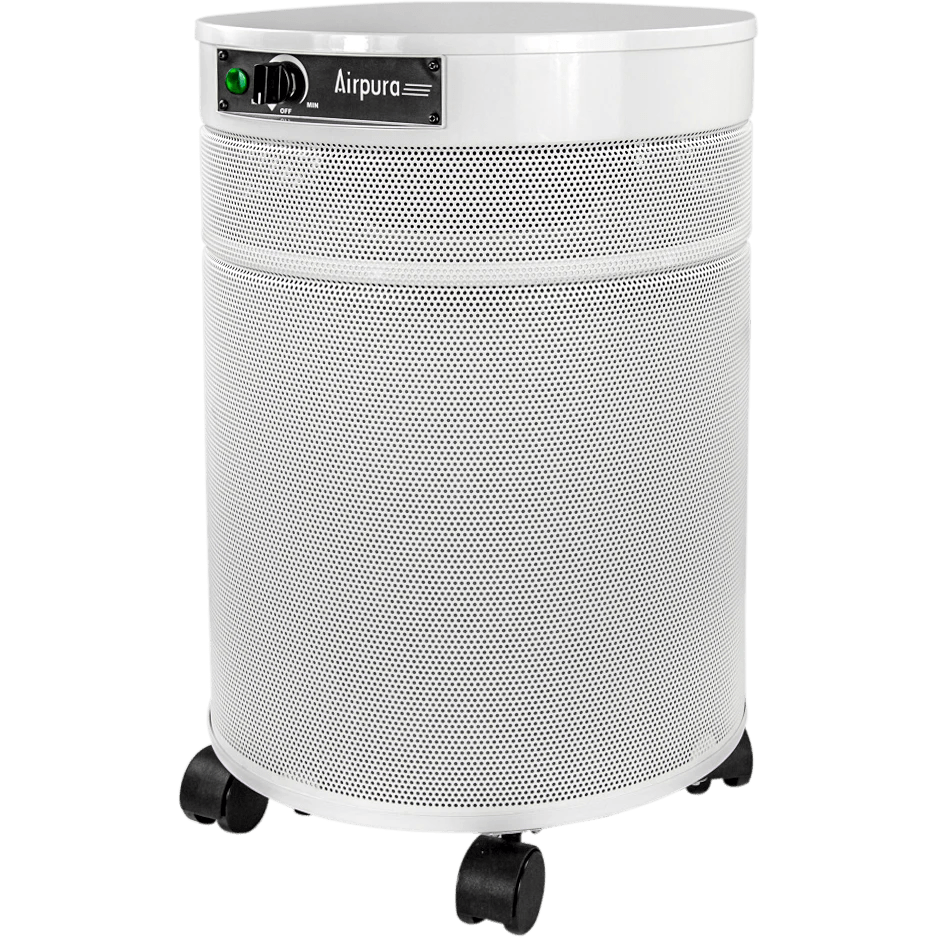
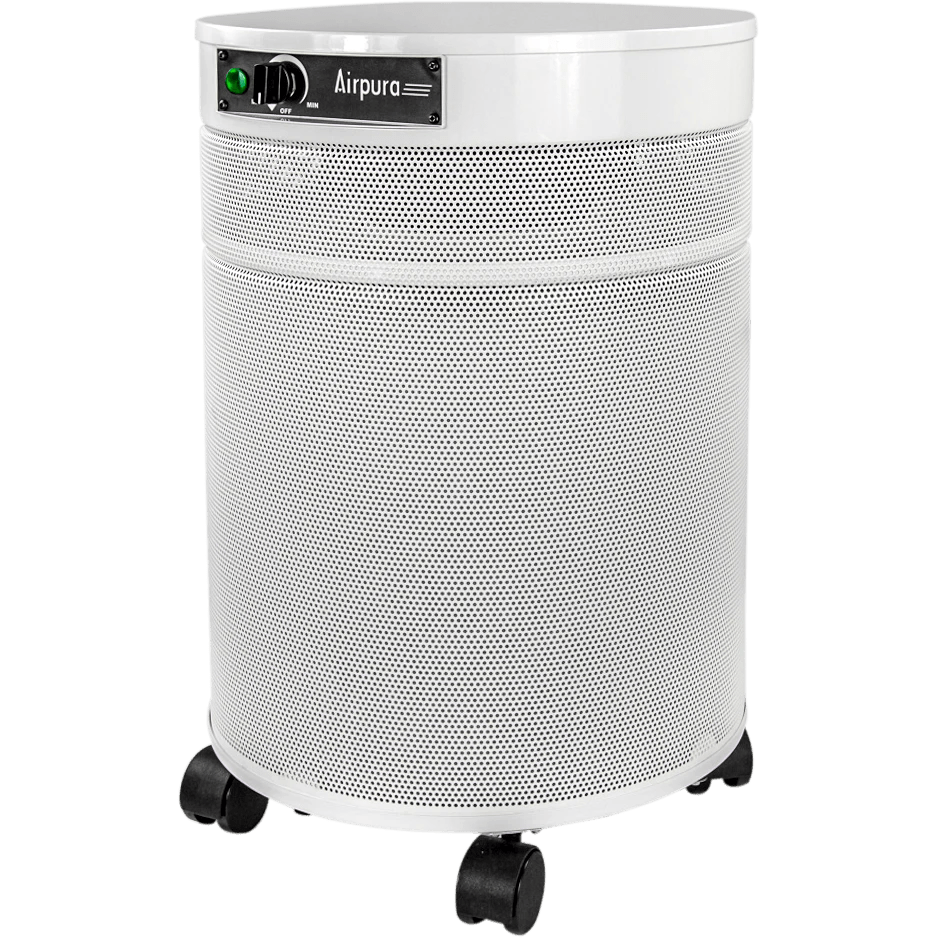
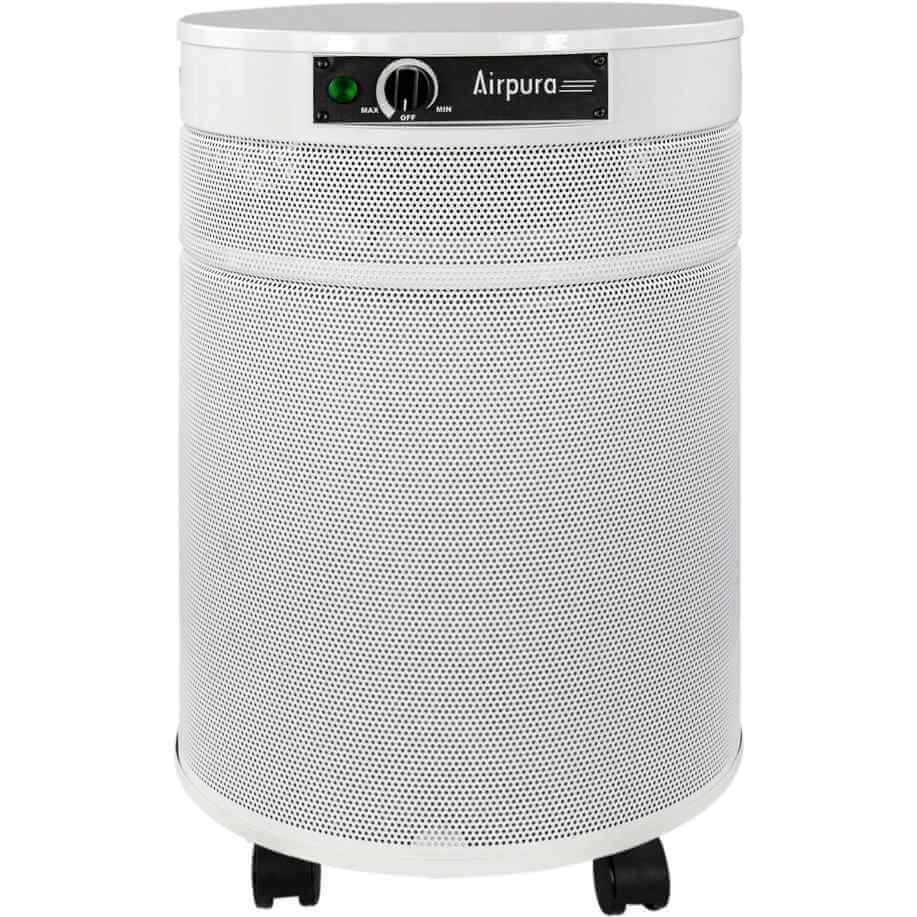
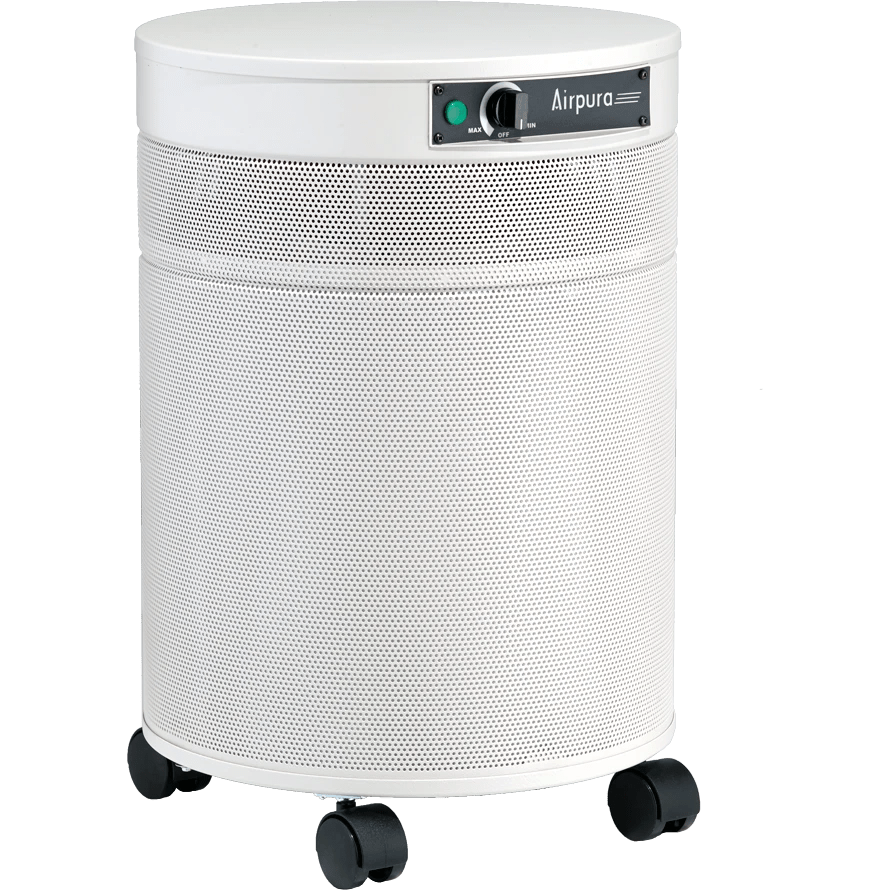
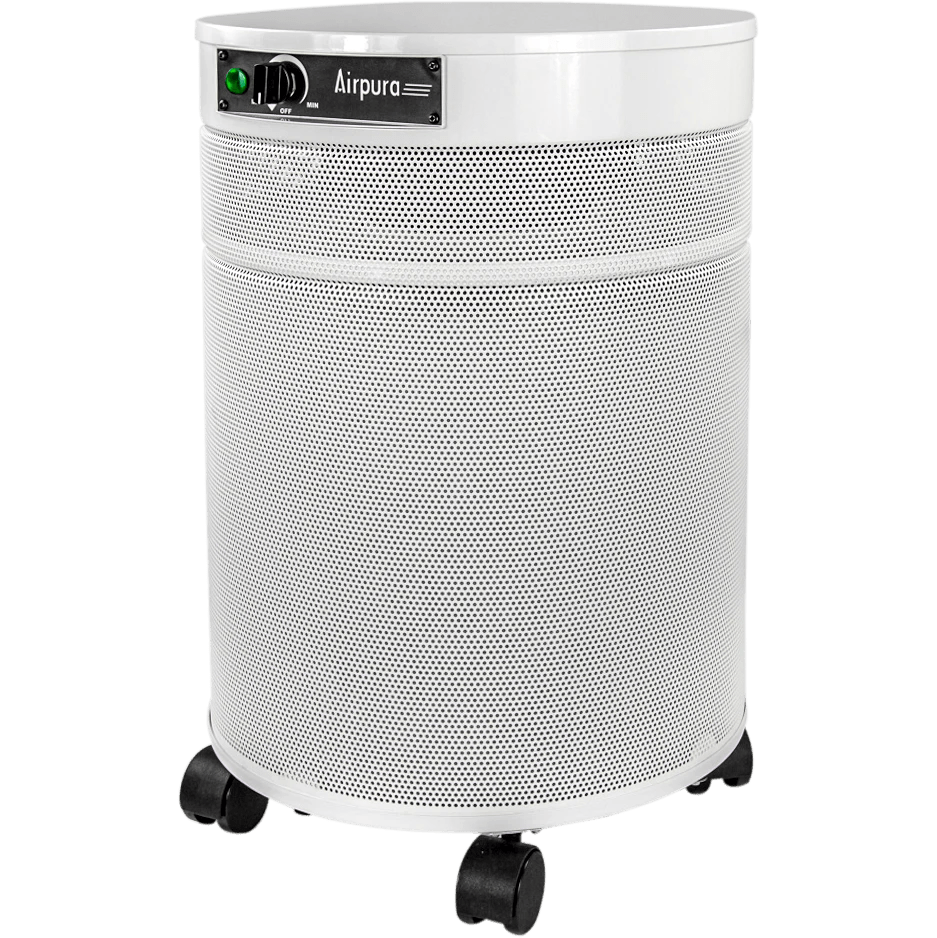
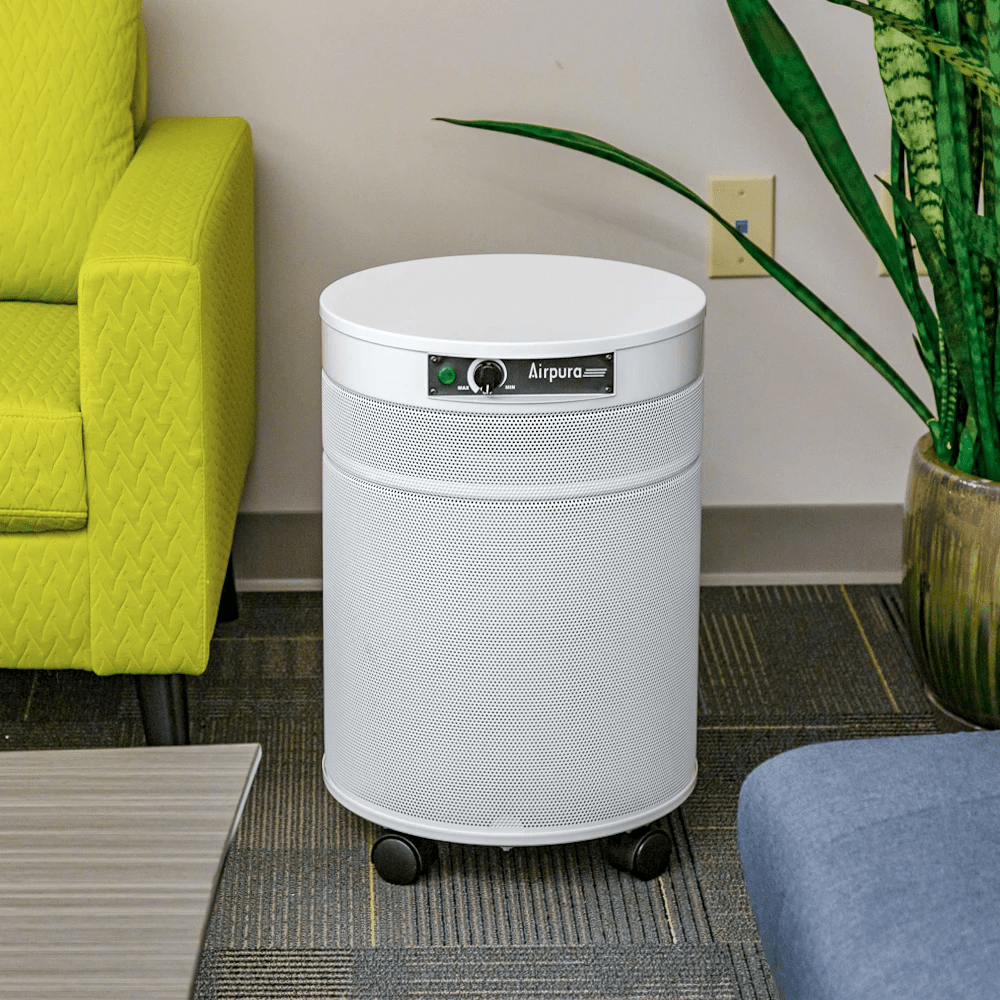
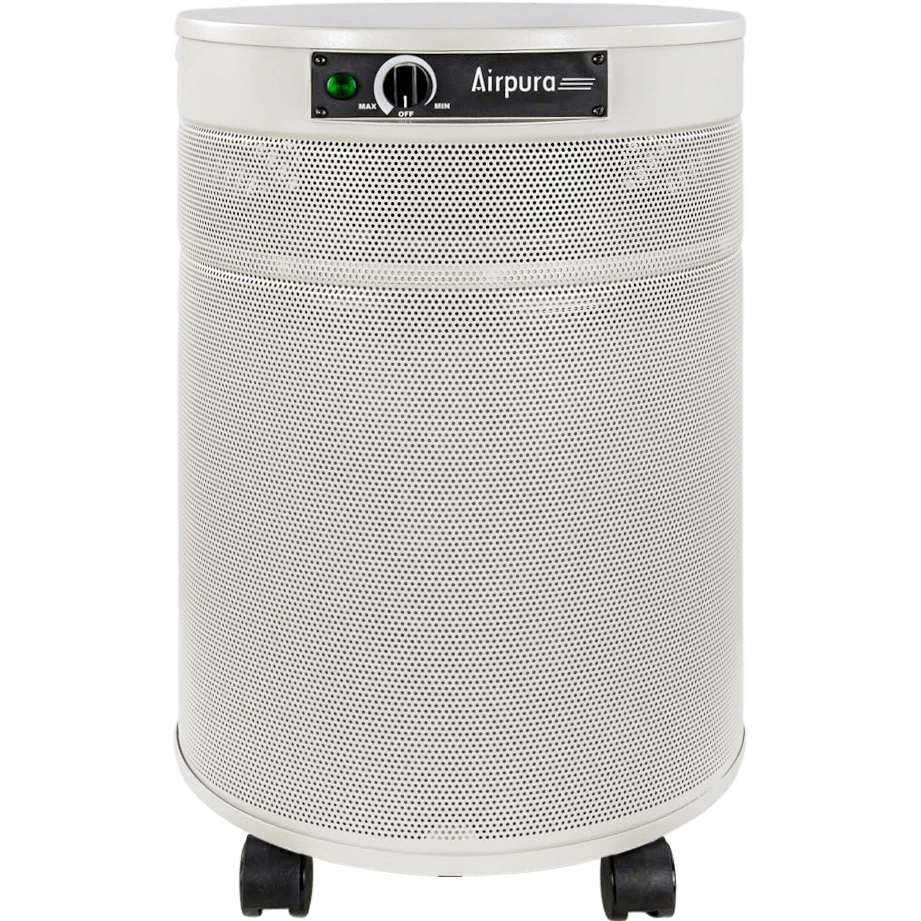
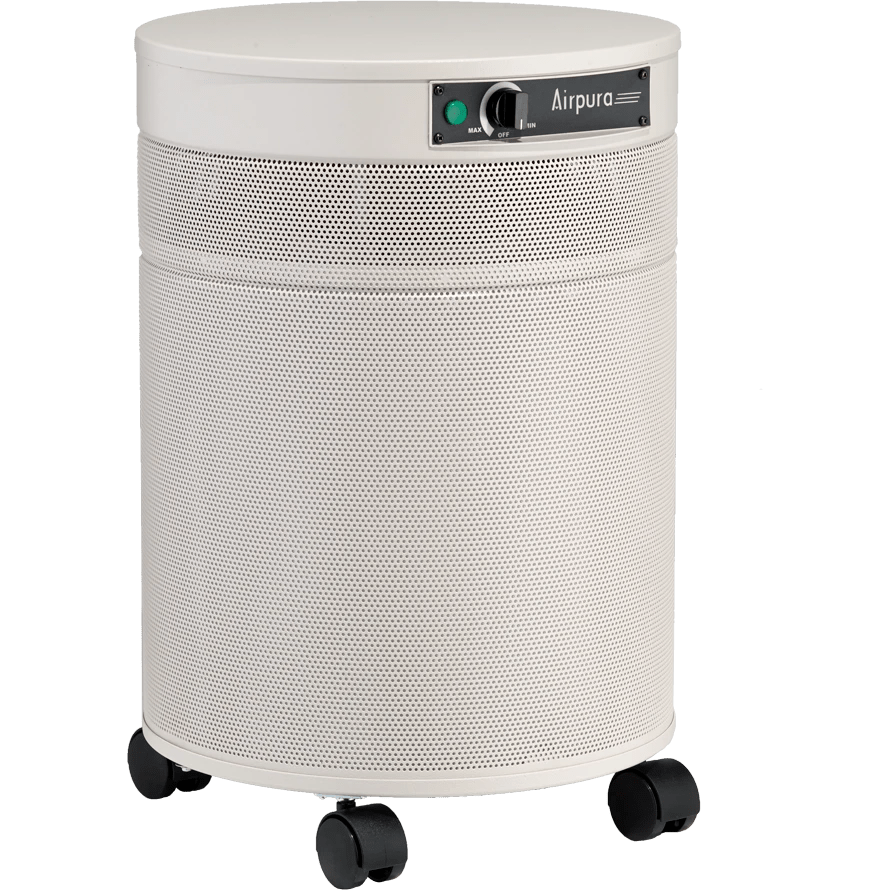
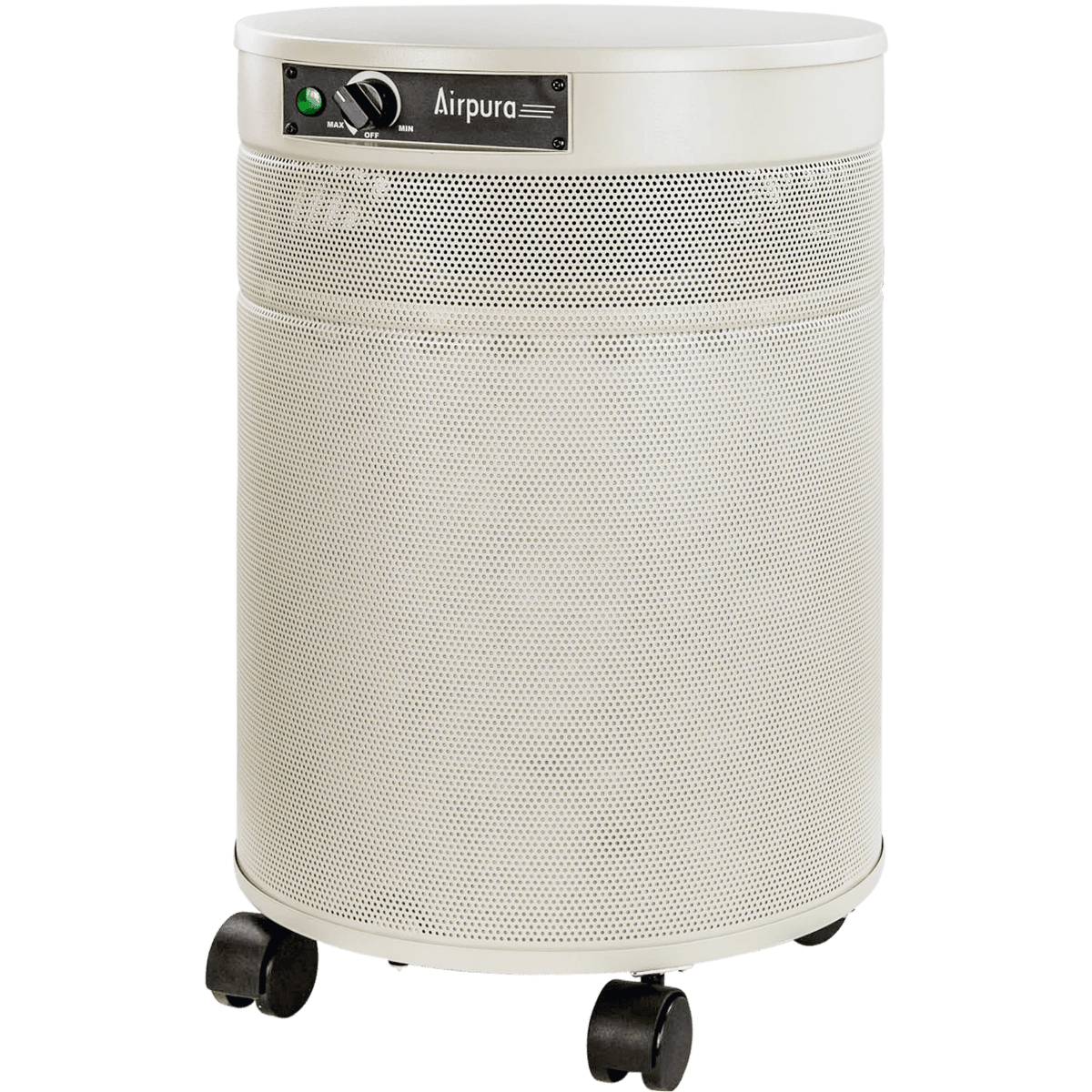
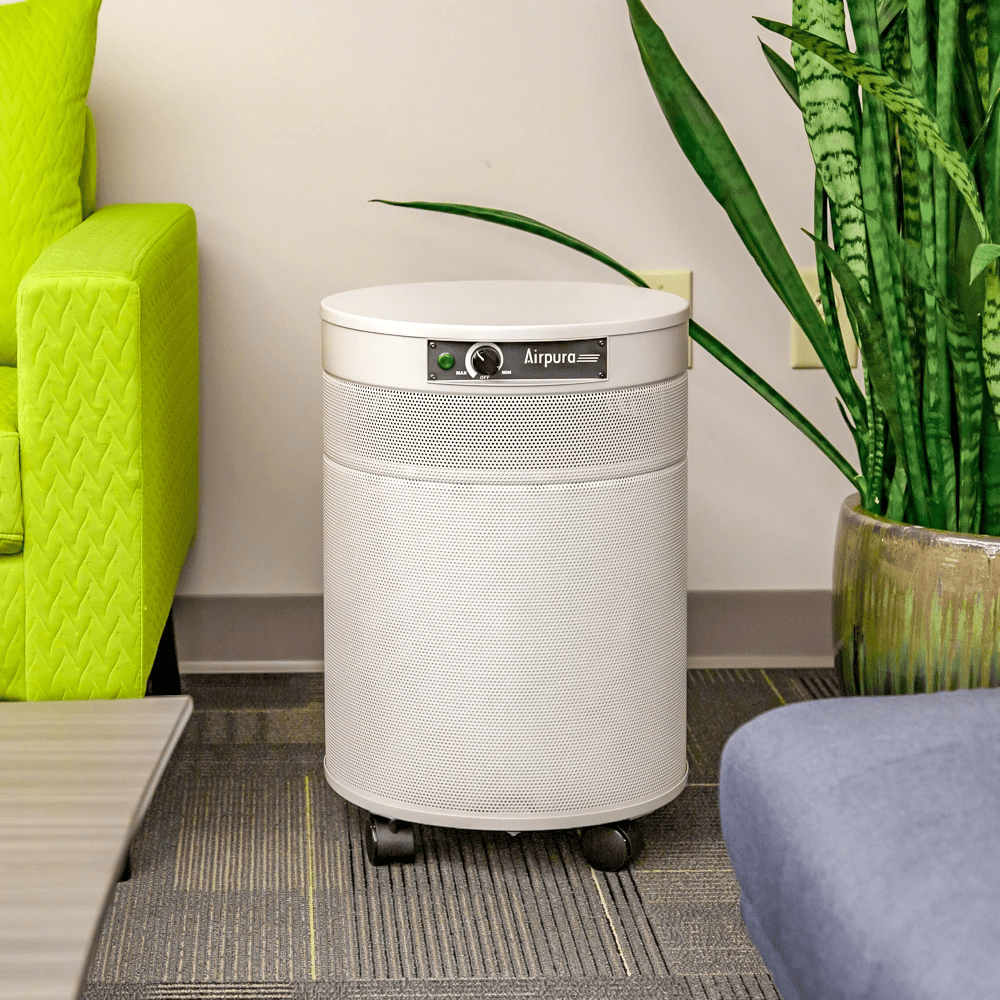
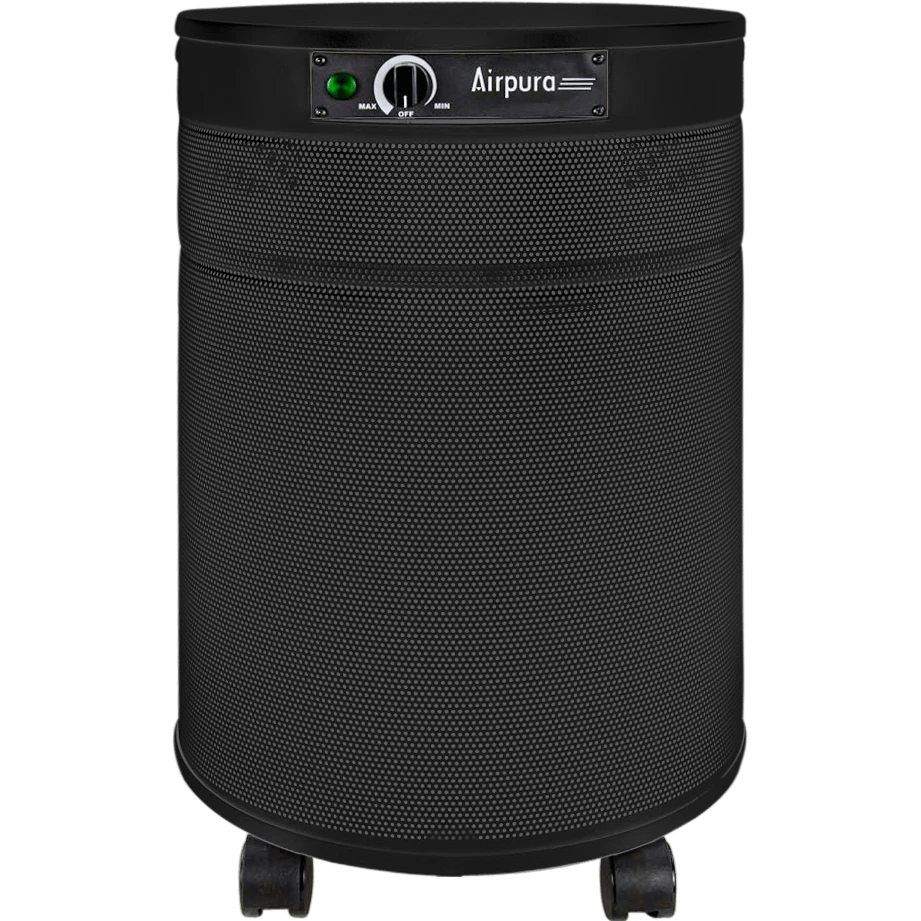
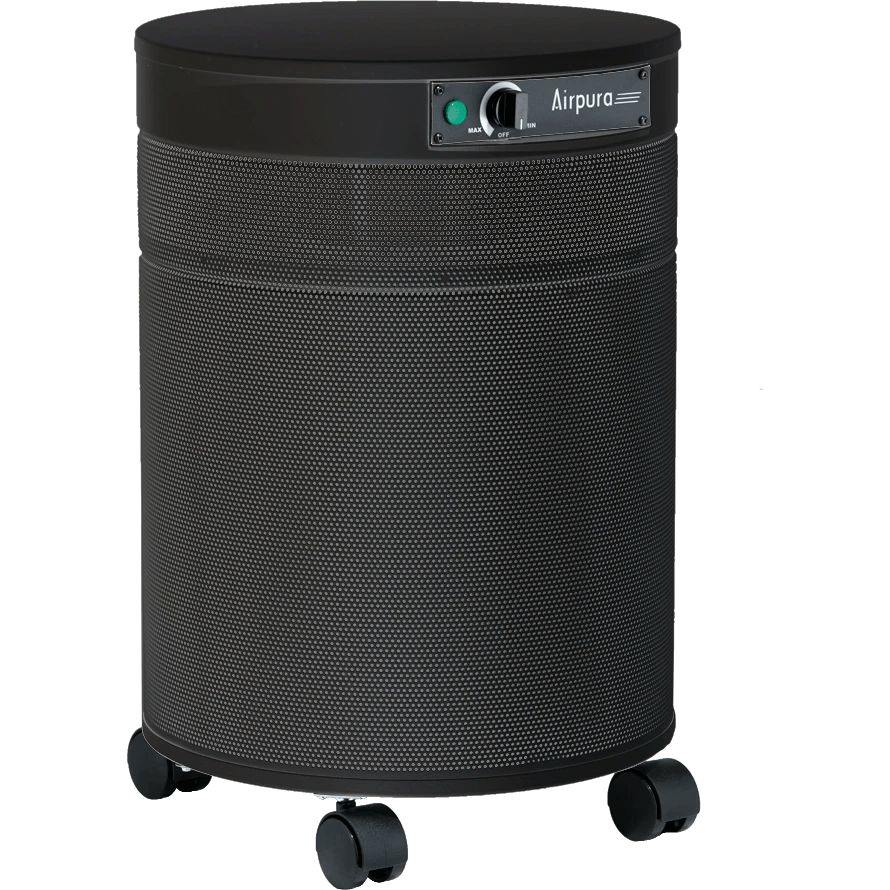
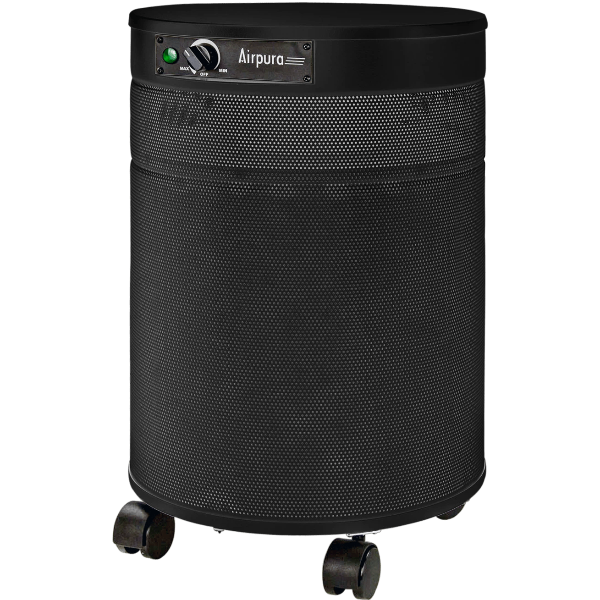
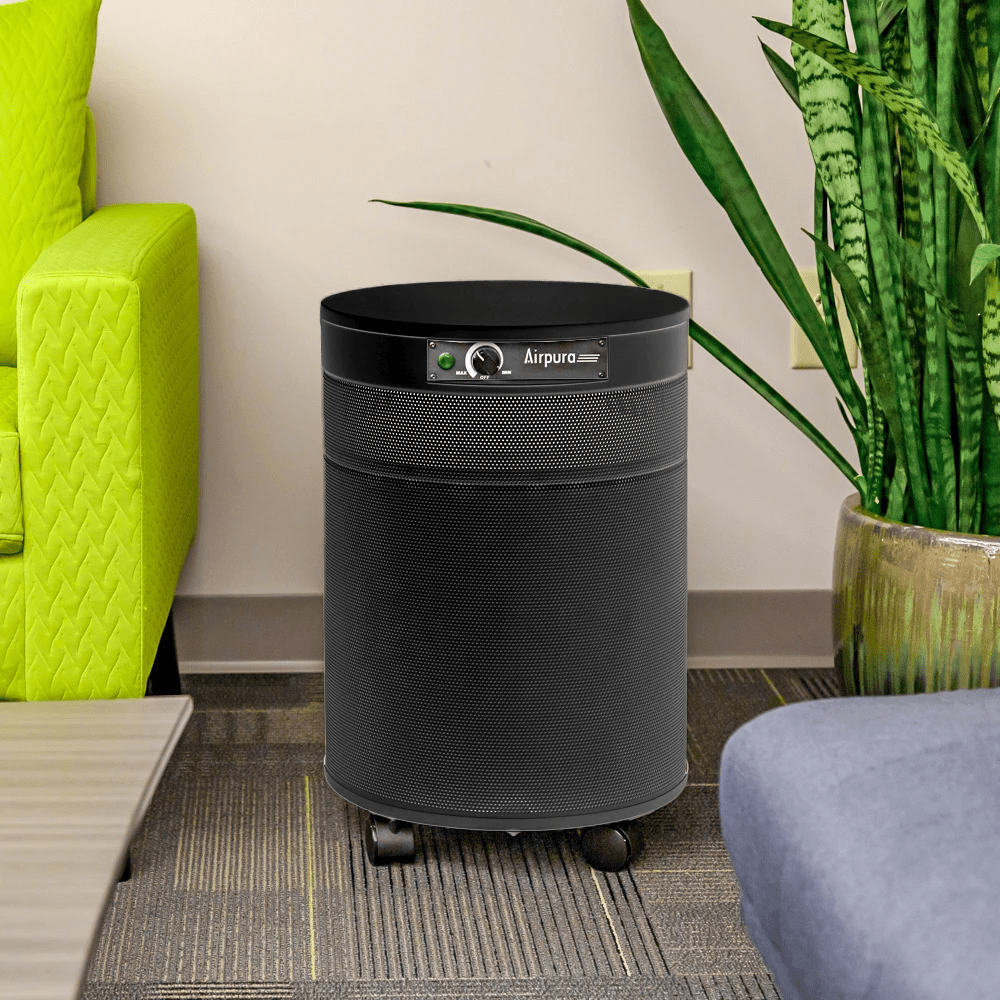
Why do hospitals need air purifiers?
Hospitals deal with a massive number of patients. Each one has a unique problem and infection. These diseases do not only need proper treatment, but they also need to be contained.
The best way to stop the spread of diseases from hospitals and clinics is by installing medical air purification systems within the vicinity. You never know what kind of infections surround you. It could be a dangerous virus that could result in a major pandemic. For example, Covid-19 was one of such diseases that engulfed entire nations. It was transmitted through the air and caused several deaths.
In such circumstances, a purifier makes things less risky. HEPA air filtration systems for hospitals reduce air contaminants and germs in medical facilities. They help slow down the spread of diseases. Whether you own a small dentist’s office or an entire hospital, maintaining cleanliness and hygienic conditions is of utmost importance.
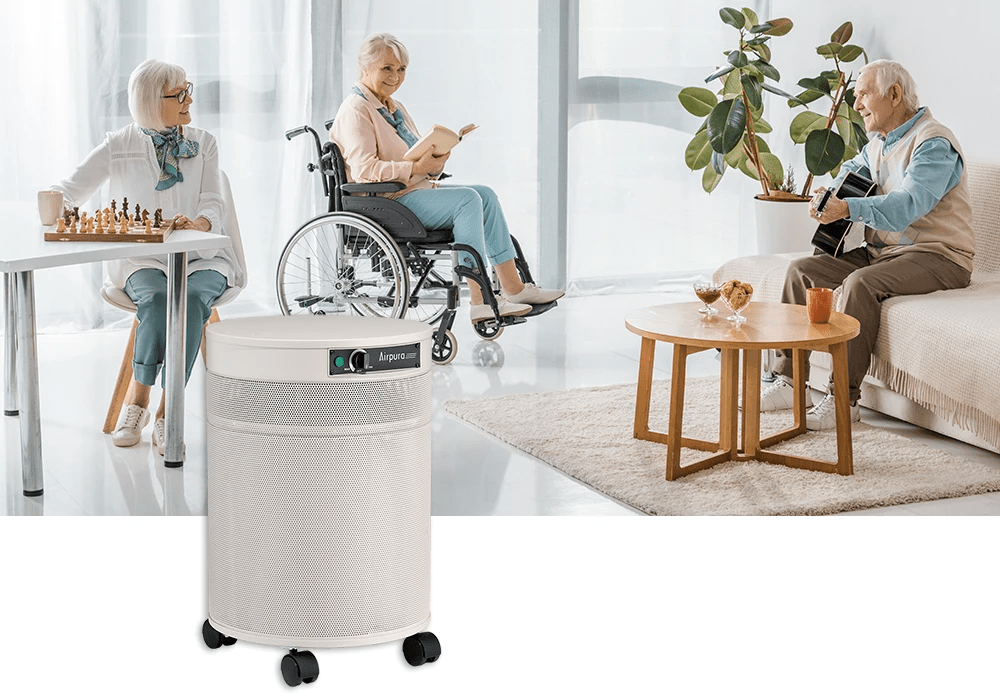
When air purifiers are within various spots of the hospital or clinic, they remove harmful micro-organisms from the surroundings. You won't come in contact with any life-threatening diseases and remain safe. Patients whose immune systems are already compromised need extra care. A high-quality purifier creates a safe atmosphere and protects everyone.
Even doctors benefit from the use of purifiers. Industrial smoke and chemicals are abundant in the air. Moreover, the increasing number of vehicles on the road contributes to air pollution. All of these issues can be dealt with with the help of purifiers and filtration systems.
Another action done by purifiers is that they remove moisture from the air. Moist or humid conditions are difficult to tolerate and boost the chances of mold contamination. Once your hospital or clinic has mold, it will become difficult to get rid of it.
What are the sources of indoor pollution in hospitals?
Hospitals have all sorts of bacteria and viruses. These could be transmitted from the incoming patients or through the unfiltered air coming within the premises. Some hospitals near factories or industrial units witness a greater intake of chemicals, gases, and VOCs. Even the anesthetics, drugs, or detergents used within the hospital could result in problems for the people around.
All of these sources can make you sick or weaken your immune system. The only way to save yourself is by using a professional air purifier at your hospital.
What are the benefits of buying air purifiers for healthcare units?
Air purifiers efficiently remove odors, dirt, dust, and VOCs. However, that is not all. Air filtration improves indoor air quality and omits the transmission of germs and viruses. Furthermore, they remove allergens from your vicinity. If you or your patients have allergies, you need extremely clean air. Otherwise, you will constantly sneeze or feel suffocated. From mold spores to pollutants, any abnormality within the air is treated with the help of an effective purifier.
Amongst the many benefits of purifiers, removing radon gas is also included. Radon gas isn't good for respiratory health and needs to be avoided at all costs.
What types of air purifiers are suitable for hospitals and clinics?
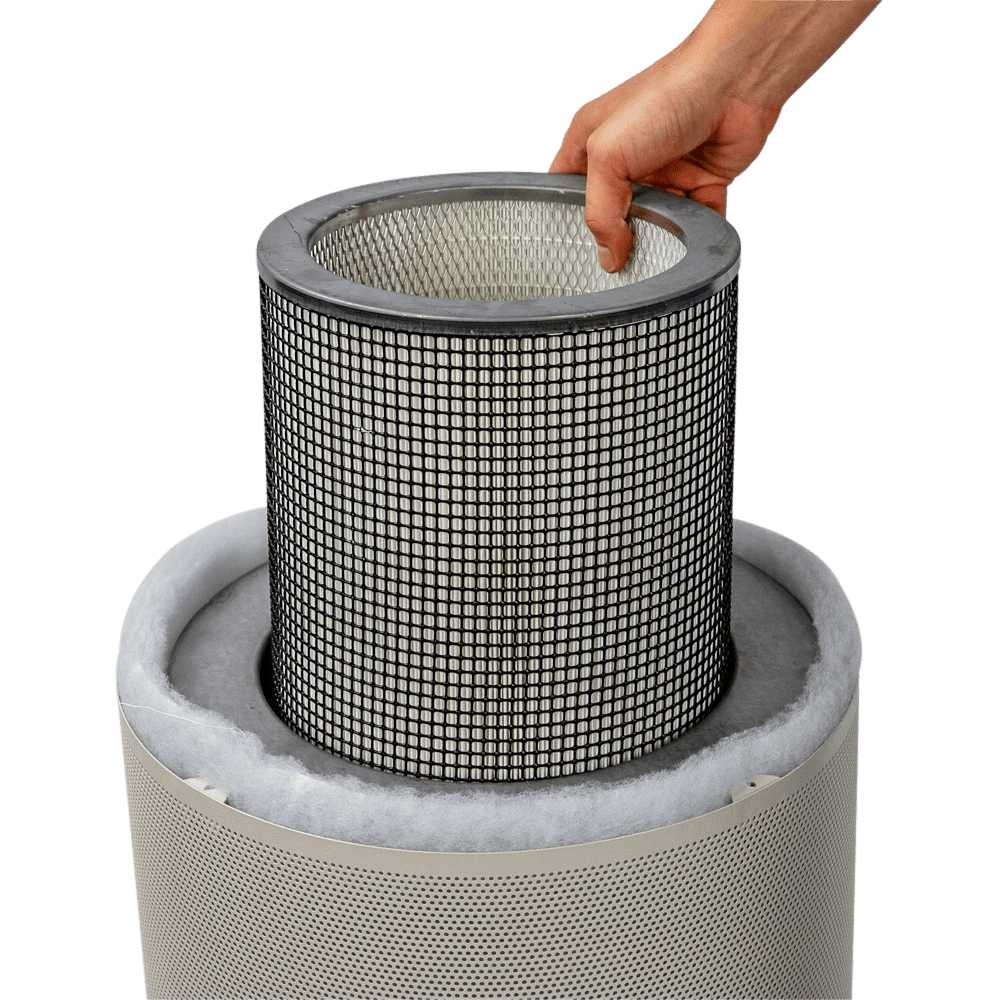
Commercial air purifiers are the most suitable devices to treat air within clinics and hospitals. They have HEPA filters that catch the tiniest smoke particles. A HEPA filter is a highly absorbent filter that removes at least 99% of particles.
However, the market has a lot of variety and options. You must look at other elements. The first thing to check is the MERV value of the filter. With the help of the MERV value, you can determine how well a filter does its job. A higher reading means more airborne particles and germs are captured by a filter.
When considering purifiers and filters for a hospital or a clinic, choose the MERV value of a minimum of 13. A filter with a rating of 13 or more, successfully stops the transmission of germs throughout the hospital.
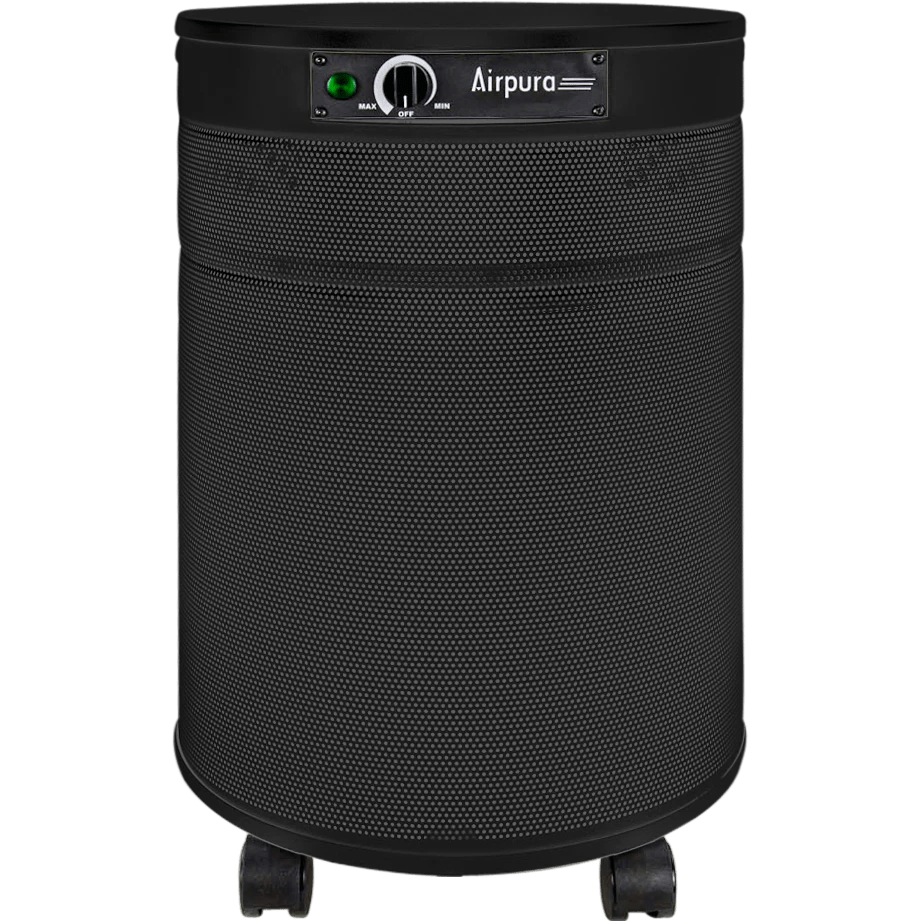
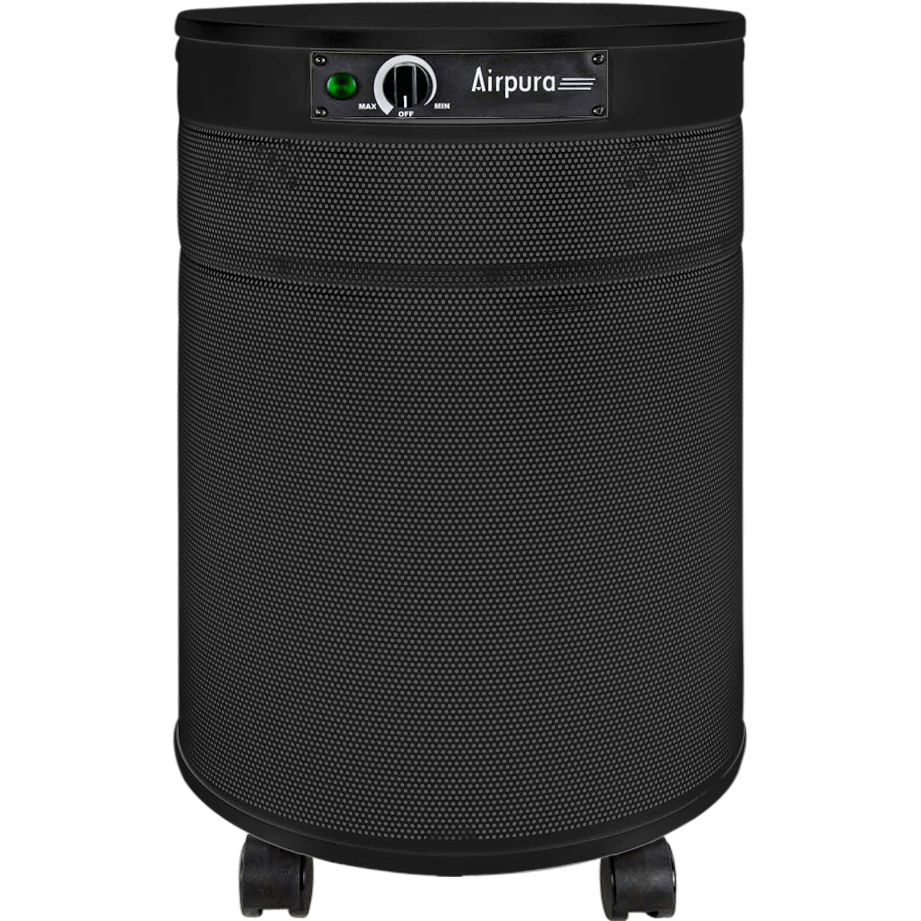
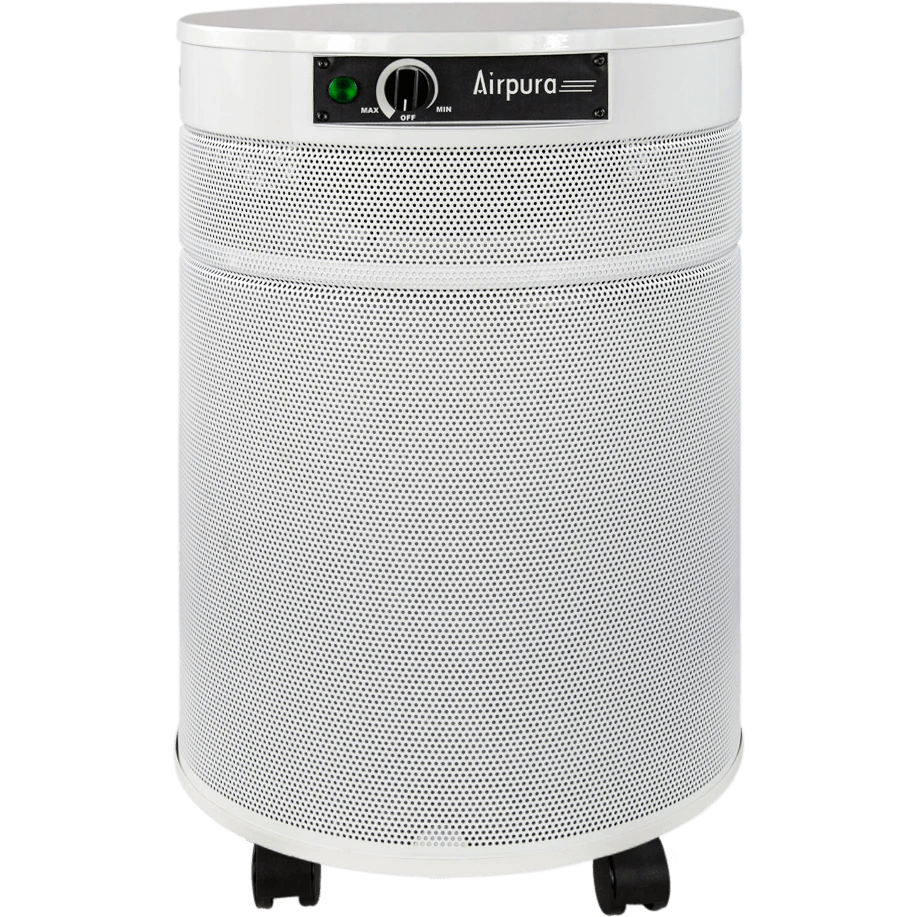
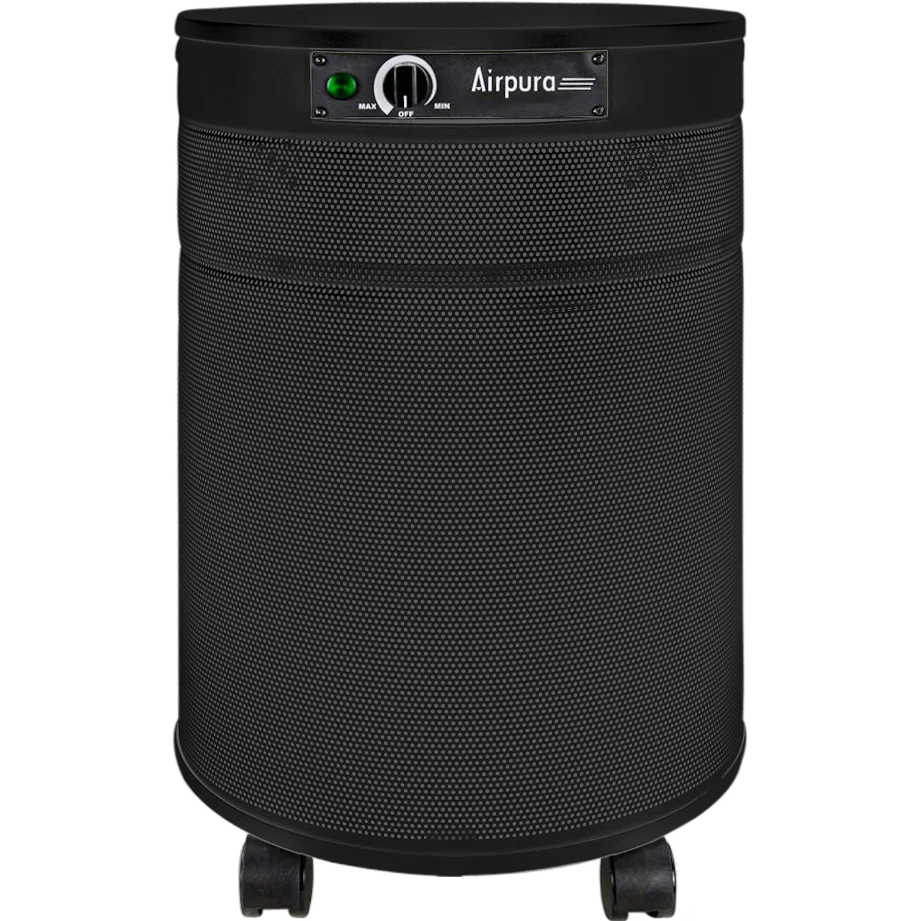
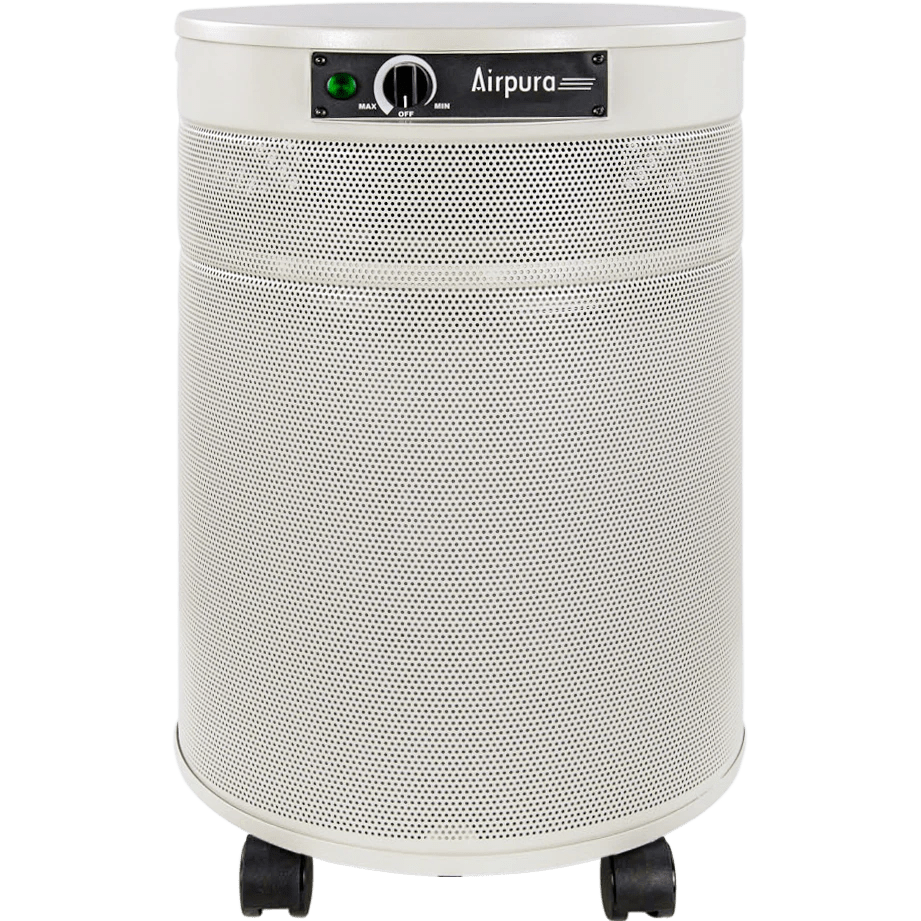
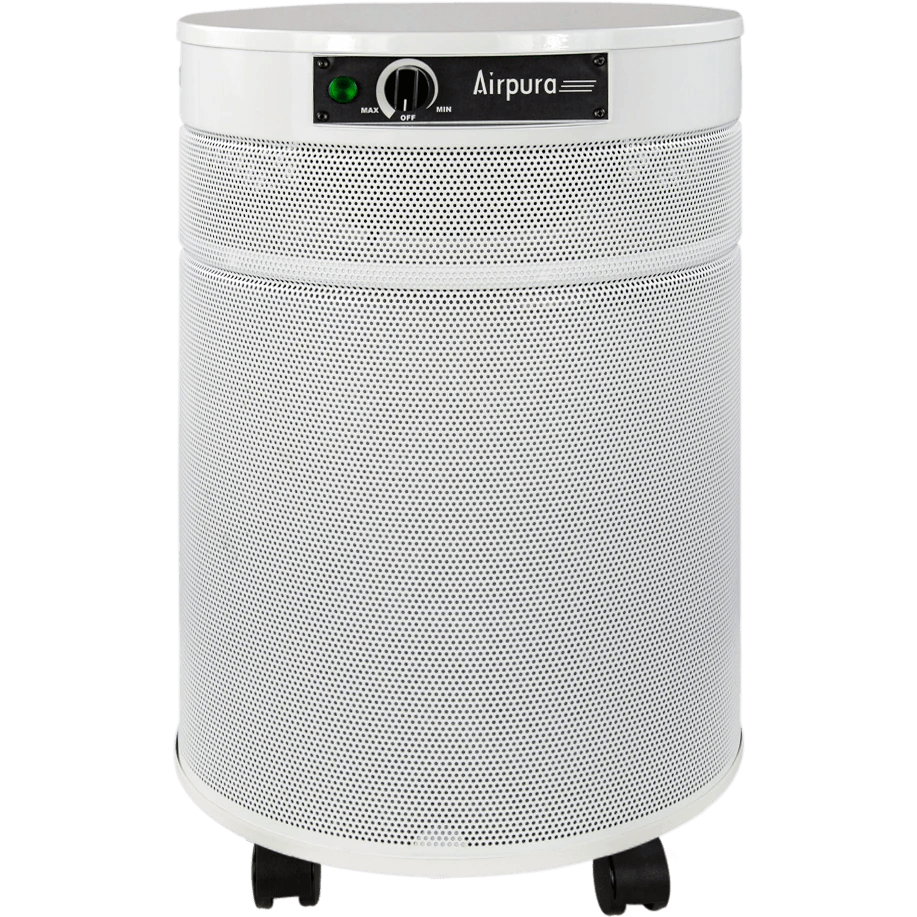
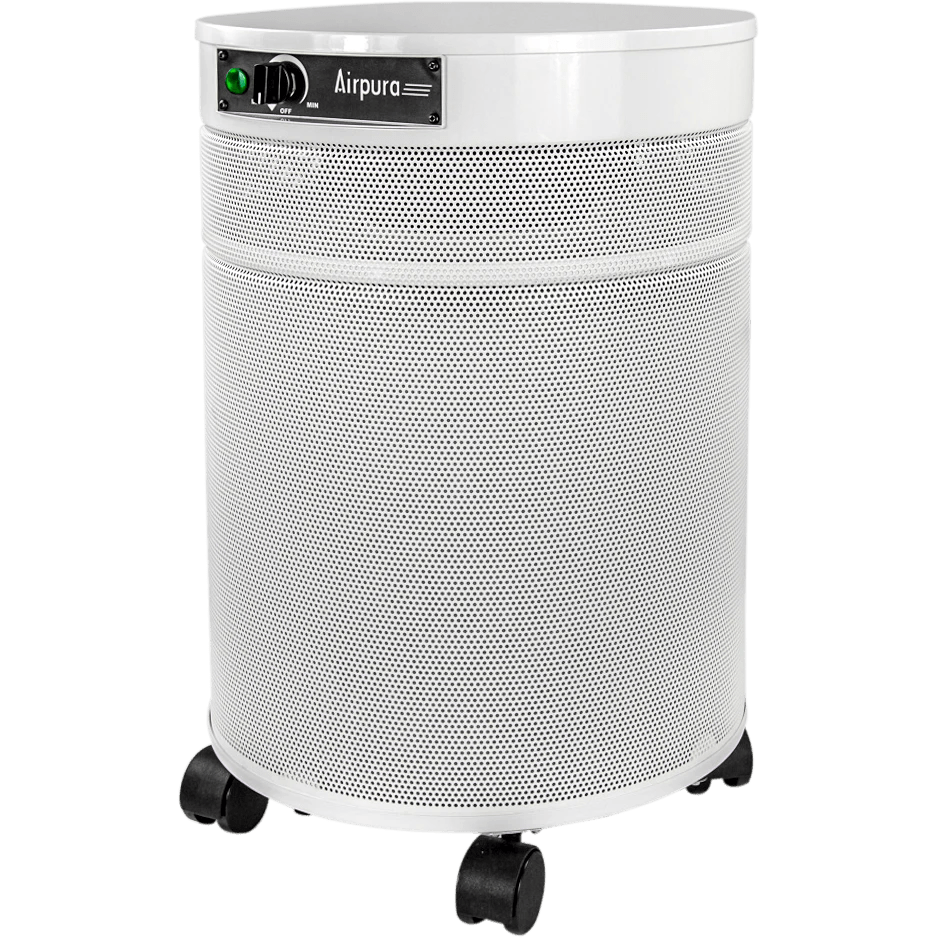
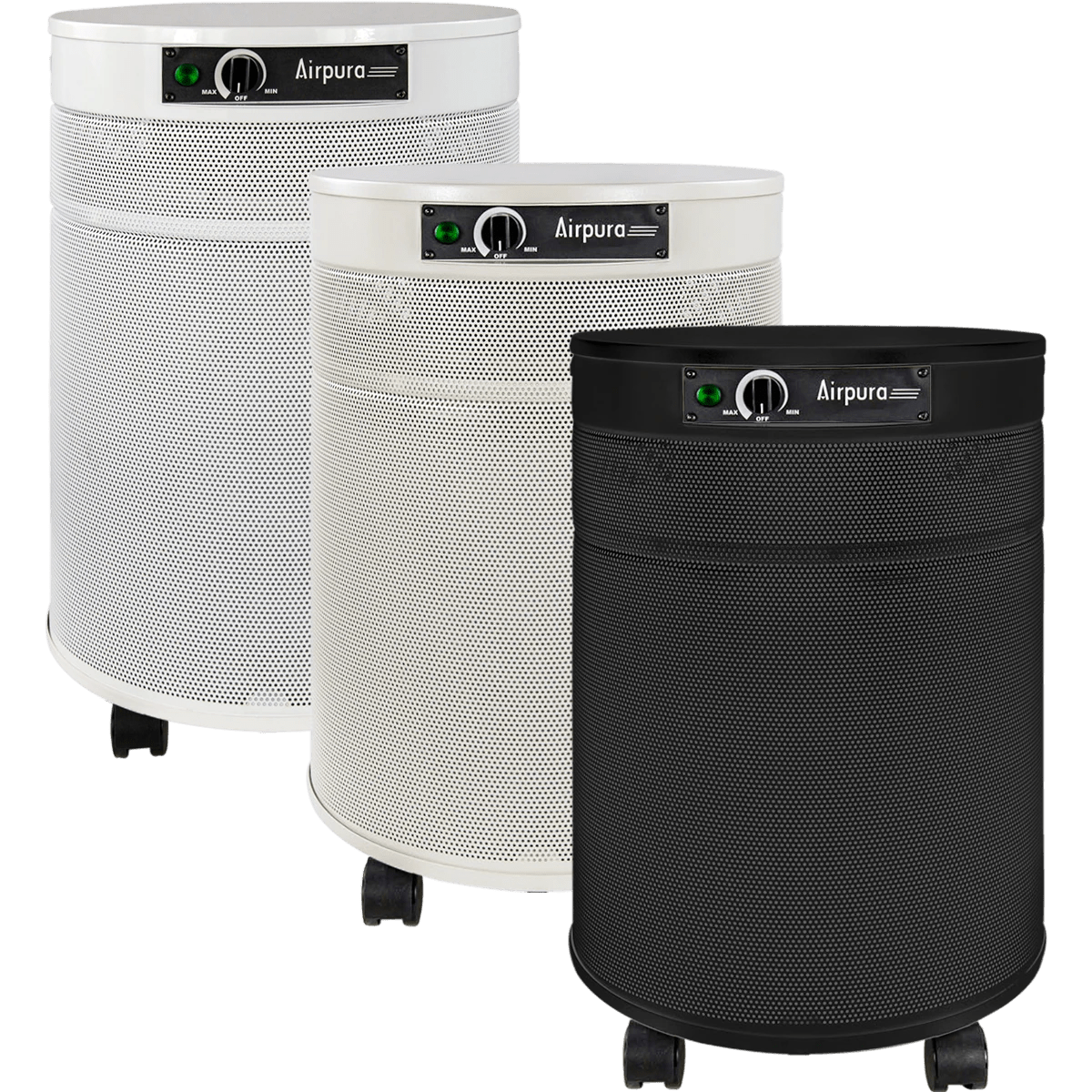
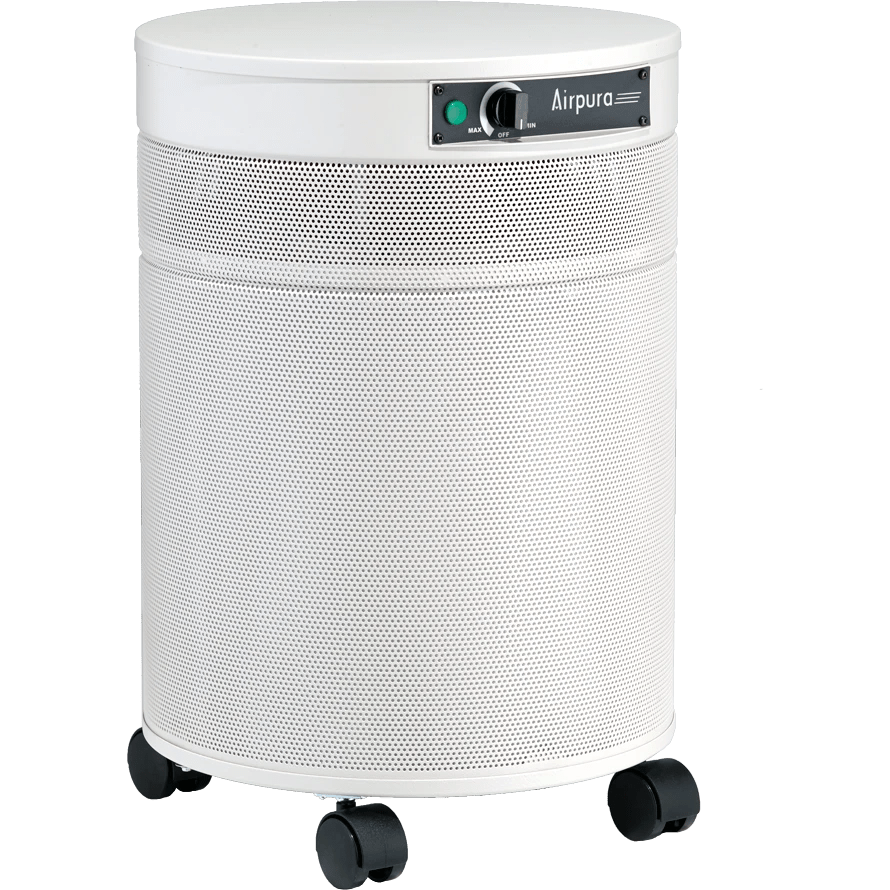
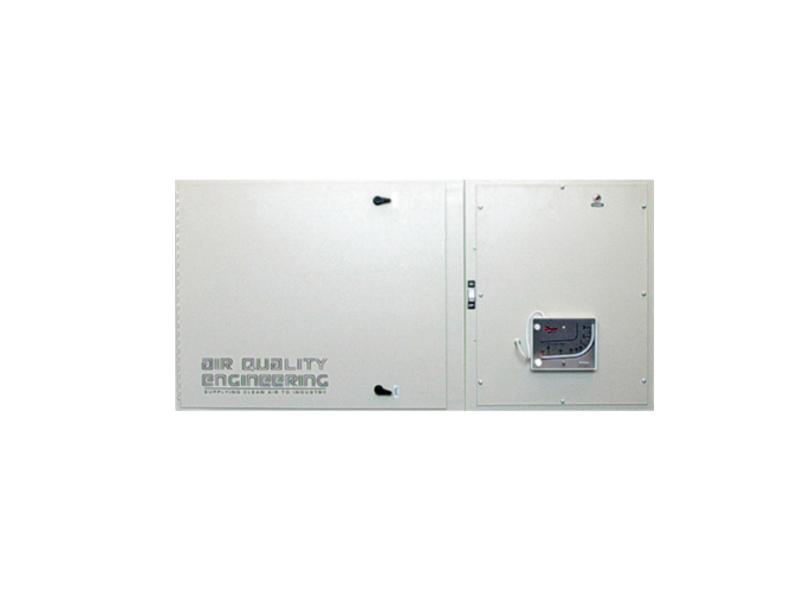
Similarly, the power of the machine also needs to be checked. Hospital premises are bigger than an average room, so you can't select an ordinary device. You need the best models such as the ones listed here.