
by B Singh April 06, 2026 13 min read

Summary:

  • This article explains what make-up air is and why its absence causes smoke to linger in cigar lounges.
  • Key points include the relationship between exhaust and supply air, how imbalanced airflow traps smoke, and how to correct the issue.
  • Readers will learn why make-up air is a critical and often overlooked component of any effective lounge ventilation system.

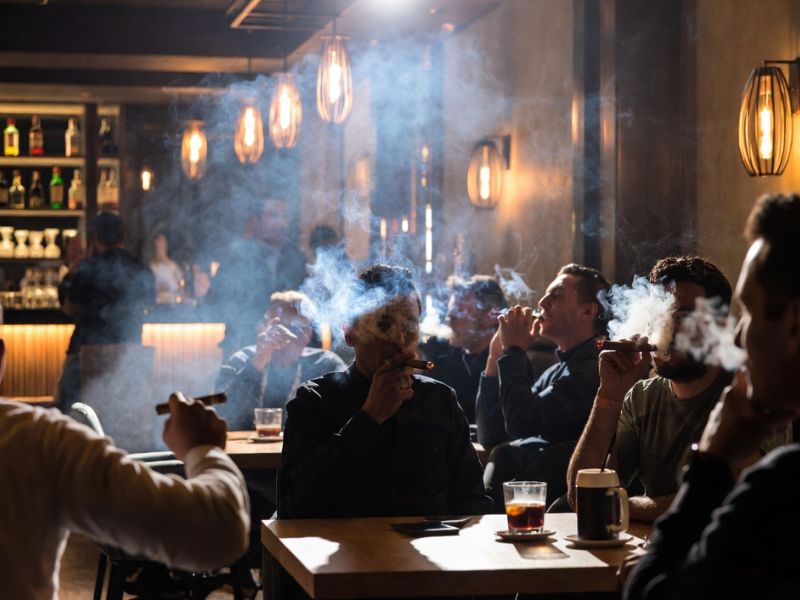
Many cigar lounge owners invest heavily in smoke eaters, exhaust fans, and layout improvements, yet the air still feels heavy, hazy, or lingering long after a cigar is finished. The missing piece in most cases is make-up air. Without it, even the most powerful ventilation system struggles because it is trying to move air that has nowhere to come from and nowhere to go properly. Smoke doesn’t just need to be removed. It needs to be replaced with clean air at the right rate and balance.

At Your Elegant Bar, we have worked with lounge owners, retailers, and hospitality spaces across North America who faced this exact frustration. Over the years, we have guided clients through designing cigar environments that actually function as intended, not just on paper but in real-world use. From airflow corrections to complete lounge setups, we focus on creating spaces where cigars can be enjoyed without overwhelming the room. That practical experience is what shapes how we approach make-up air and why it is often the first thing we evaluate when smoke lingers.

What Is Make-Up Air and Why It Matters

Make-up air is exactly what it sounds like. It is the fresh air brought into a space to replace the air that is being exhausted. In a cigar lounge, you are constantly removing air through exhaust systems and smoke eaters. If you do not replace that air, the system starts to fight itself. Negative pressure builds, airflow slows down, and instead of smoke being pulled out efficiently, it hangs in the room or even gets pulled into unwanted areas.

Think of your lounge like a breathing system. Exhaust is the exhale. Make-up air is the inhale. If you only exhale without inhaling, everything collapses. The same principle applies here. Without a controlled source of incoming air, your exhaust system loses efficiency, no matter how expensive or powerful it is. This is one of the most common misconceptions we see. People assume adding more filtration will fix the issue, when in reality, the system is starved of air.

Another critical point is control. Not all incoming air is equal. Simply opening a door or relying on random leaks in the building is not make-up air. That creates inconsistent airflow, temperature swings, and humidity problems. Proper make-up air is measured, filtered, and directed so it supports the overall airflow design instead of disrupting it. When done correctly, it works quietly in the background, improving air quality without being noticeable.

In practical terms, make-up air determines whether smoke is guided out of the room or allowed to linger and spread. It also affects how comfortable your lounge feels. Poor airflow leads to hot and cold spots, uneven humidity, and that heavy, stale feeling customers notice immediately. When make-up air is properly integrated, the space feels cleaner, fresher, and far more inviting, even during peak usage.  Proper airflow also helps maintain optimal conditions for cigar cabinet humidors and humidifiers, ensuring cigars are stored and enjoyed under ideal conditions

Why Your Lounge Still Smells Smoky Even With Smoke Eaters

One of the biggest frustrations for lounge owners is investing in high-end smoke eaters and still dealing with persistent odor and haze. The issue is not that the equipment does not work. It is that the system as a whole is incomplete. Smoke eaters are designed to filter air, not replace it. Without proper make-up air, they are constantly recycling the same contaminated air instead of introducing fresh air into the environment.

Here is what typically happens. The smoke eater pulls in air, filters out particulates, and pushes it back into the room. Meanwhile, your exhaust system is trying to remove air entirely.  Even when combining smoke eaters with high-quality air purifiers, the system can only filter what it’s given, and without proper make-up air, both units end up recirculating the same contaminated air instead of improving overall air quality. If there is no dedicated make-up air source, the room starts pulling air from wherever it can. That could be under doors, through cracks, or even from adjacent rooms. This creates unpredictable airflow patterns, which often trap smoke instead of removing it.

Some common signs that make-up air is missing or insufficient include:

  • Smoke lingering long after cigars are finished
  • Doors becoming hard to open due to pressure imbalance
  • Smoke drifting into non-smoking areas
  • Uneven temperature and humidity throughout the lounge
  • A constant stale or heavy smell despite active filtration

These are not equipment failures. They are system design issues. Without balance between air leaving and air entering, the entire setup becomes inefficient.

To put this into perspective, here is a simple comparison of what happens with and without proper make-up air:

Condition Airflow Behavior Smoke Removal Efficiency Overall Experience
Without Make-Up Air Air is pulled from random gaps, creating turbulence Low and inconsistent Stale, smoky, uncomfortable
With Proper Make-Up Air Controlled airflow supports exhaust direction High and consistent Clean, balanced, enjoyable


Another overlooked factor is that smoke odor is not just particles. It is also gases. Even the best filters cannot completely eliminate odor if the same air keeps circulating. Fresh air dilution is essential. That is what make-up air provides. It reduces concentration levels and allows your filtration system to work effectively instead of endlessly cycling the same air.

Your Elegant Bar has helped multiple clients troubleshoot situations where they believed they needed more filtration units, when in reality the fix was correcting airflow balance. Once proper make-up air was introduced, the same equipment performed significantly better, and the overall environment changed almost immediately. The space felt lighter, cleaner, and far more comfortable for both customers and staff. Book a design consultation today!

How Negative and Neutral Pressure Affects Smoke Control

Negative and neutral pressure are terms often thrown around in cigar lounge design, but many owners misunderstand their impact on smoke control. Negative pressure occurs when more air is being exhausted than replaced. While it can help keep smoke from escaping into hallways or other rooms, too much negative pressure makes doors hard to open, pulls air through cracks, and can make filtration systems work harder than necessary. Neutral pressure, by contrast, balances the air going in and out, allowing airflow to move predictably and smoothly, which keeps smoke from lingering in unwanted areas.

The problem is that without make-up air, achieving proper neutral or slightly negative pressure is almost impossible. Even the most carefully planned smoke eater setup can fail if the room is air-starved. You end up with unpredictable airflow, uneven temperature, and humidity swings that affect both comfort and cigar quality. It is not just about odor; the environment directly impacts how cigars age and taste. Consistent air movement, supported by proper make-up air, ensures smoke is carried to filters efficiently while preserving the lounge’s ambiance.

Another factor to consider is door and window placement. Negative pressure can inadvertently draw smoke into hallways or adjacent spaces if make-up air is not directed correctly. Similarly, if pressure is too positive, smoke can leak into areas where it shouldn’t, including retail areas, offices, or even the bar. Proper calibration involves more than just turning on an exhaust fan; it requires careful calculation of airflow, fan capacity, and incoming air volume. Small adjustments can have dramatic effects on the lounge environment.

Common Missteps in Lounge Airflow Design

Even experienced lounge owners sometimes make common mistakes that lead to persistent smoke. A frequent issue is relying solely on exhaust fans or smoke eaters while ignoring how air enters the room. Another common misstep is assuming that larger or more powerful units automatically solve the problem. More power without balanced intake only accelerates negative pressure issues, creating turbulence that actually traps smoke rather than removing it.

Airflow path design is another overlooked area. Smoke does not travel in straight lines, and poorly positioned intake vents, returns, or smoke eaters can leave dead zones where smoke lingers. Similarly, not accounting for humidity can make the environment uncomfortable. Humidity fluctuations affect not only cigar quality but also the efficiency of filtration and make-up air systems. A well-planned lounge integrates all of these factors, creating a seamless airflow circuit that ensures smoke is carried directly to filters without stagnation.

Temperature management also plays a role. Warm air rises, and if exhaust and make-up air are not coordinated, smoke can accumulate near the ceiling, giving the perception that the room is smokier than it actually is. Even the best filtration systems struggle to compensate for these natural airflow behaviors. Properly designed intake and exhaust paths, supported by accurate make-up air delivery, prevent this from happening.

At Your Elegant Bar, we have worked with clients across North America to correct these airflow issues in lounges and humidor rooms. By evaluating existing setups and providing actionable solutions for make-up air integration, exhaust positioning, and airflow calibration, we help create spaces that function efficiently. The difference is immediate: smoke is managed effectively, the room feels fresher, and cigar enjoyment is maximized. Schedule a design consultation!

Integrating Make-Up Air in Existing Spaces

Retroactively adding make-up air can seem daunting, but it is often simpler than most lounge owners expect. The first step is to assess the current ventilation setup, including smoke eater locations, exhaust volume, and airflow patterns. Once the gaps are identified, a controlled make-up air system can be installed to introduce fresh, filtered air in a way that supports the existing exhaust and filtration systems.

Several options exist for integration. Some lounges add dedicated make-up air units with adjustable volume controls, while others strategically place intake vents that draw conditioned air from adjacent spaces. Key considerations include:

  • Volume of air exhausted versus incoming air
  • Proper filtration to prevent outside pollutants
  • Directional airflow to support smoke removal
  • Temperature and humidity matching to maintain comfort

When properly installed, these systems operate quietly in the background, creating a subtle but noticeable improvement in air quality. Customers often remark that the room feels lighter, fresher, and far more comfortable, even during peak smoking hours. The system does its job without being obtrusive, allowing patrons to focus on the experience rather than the environment.

We’ve helped multiple clients here at Your Elegant Bar implement make-up air in both new and retrofitted lounges. Our approach focuses on efficiency and practicality, ensuring that smoke is controlled, air feels fresh, and the lounge remains inviting. Whether it’s a small boutique lounge or a large walk-in humidor environment, we guide clients through the design and installation process so that the space functions exactly as intended. Book a design consultation today!

Practical Tips for Optimizing Lounge Airflow

Photo Credit to our friends at Palmyra, PA at Oscar's Cigar Lounge
Thank you for choosing our Premium Cigar Lockers!

Even with a proper make-up air system in place, there are practical steps lounge owners can take to further optimize airflow and maintain a smoke-free environment. First, regular maintenance of exhaust fans and smoke eaters is critical. Filters can become clogged over time, reducing airflow and forcing your system to work harder. Cleaning or replacing filters on a schedule ensures consistent performance. Similarly, make-up air units require periodic checks to confirm they are delivering the correct volume and are not blocked by debris or building modifications.

Second, pay attention to vent placement and direction. Air should flow in a controlled path from intake to exhaust without creating turbulence or dead zones. Improper vent angles or locations can leave areas where smoke settles, particularly near ceilings, corners, or seating areas. Temperature also interacts with airflow: warm air naturally rises, so coordinating intake and exhaust heights can enhance circulation. Proper airflow design reduces stagnant zones and helps the room feel balanced and comfortable.

Humidity and temperature control are often overlooked but play a major role in airflow efficiency. Cigars are sensitive to humidity, and fluctuating levels can create condensation or accelerate smoke absorption into surfaces. Make-up air that is conditioned to match lounge temperature and humidity prevents sudden spikes or drops that interfere with smoke removal.  Using reliable humidification systems, whether standalone units or integrated with cigar cabinet humidors, helps maintain proper humidity levels for both the lounge and storage areas, complementing the make-up air system.  This balance is particularly important for walk-in humidors attached to a lounge space, where improper air can affect both comfort and cigar quality.

Finally, do not underestimate the impact of doors and partitions. Opening doors without controlling airflow can disrupt carefully balanced systems. Simple adjustments such as using vestibules, self-closing doors, or strategically placed air curtains can preserve the efficiency of your ventilation setup. By coordinating these elements, lounges maintain clean air while providing an inviting environment for patrons.

How Walk-In Humidors Affect Lounge Air

Photo Credit to our friends at Palmyra, PA at Oscar's Cigar Lounge
Thank you for choosing our Premium Cigar Lockers!

A common source of lingering smoke in lounges is the presence of a walk-in humidor or large storage area. These spaces often have high humidity and restricted airflow, which can unintentionally trap smoke. If the humidor is not properly ventilated with balanced make-up air and exhaust, smoke from the lounge can circulate into it, or worse, the humidor can become a dead zone for smoke, causing it to slowly leak back into the lounge over time.

Integration is key. Make-up air for the lounge should be coordinated with the humidor’s ventilation system to maintain a consistent pressure balance. Too much negative pressure in the humidor can pull smoke from the lounge, while too little can allow smoke to linger. Similarly, temperature and humidity differentials between the humidor and lounge can affect airflow patterns, sometimes causing unpredictable smoke paths. Properly designed, these two spaces can operate in harmony, preserving cigars while keeping the lounge air fresh.

Another factor is door use. Frequent opening of humidor doors without proper airflow management introduces bursts of stale air or smoke back into the lounge. Airlocks or vestibules can minimize these effects, but the real solution is balancing intake and exhaust across both areas. Properly engineered systems prevent the humidor from becoming a smoke trap while maintaining optimal storage conditions for cigars.

Here at Your Elegant Bar, we’ve assisted clients in integrating walk-in humidors with lounge ventilation systems. By assessing airflow, pressure, and humidity, we help clients ensure that the humidor maintains its delicate environment without compromising the lounge air quality.  Alongside walk-in humidors, we often recommend incorporating travel cigar humidors and curated accessories like lighters, cutters, and ashtrays to maintain a seamless and enjoyable cigar experience for your clients.  The result is a space that functions seamlessly: cigars are preserved perfectly, and the lounge remains clean and inviting for guests. Schedule a design consultation today!

Upgrading Existing Lounges for Proper Make-Up Air

Many cigar lounge owners inherit spaces that were not designed with balanced airflow in mind. Retrofitting an existing lounge for proper make-up air does not always require a complete rebuild, but it does require careful assessment of the current systems. The first step is measuring the existing exhaust volume, smoke eater capacity, and airflow patterns throughout the room. This helps identify areas where negative or positive pressure is causing smoke to linger.

Next, a plan is developed for introducing fresh air in a controlled manner. This could be a dedicated make-up air unit, strategically placed intake vents, or a combination of both. It is essential to match the volume of incoming air with the air being exhausted; otherwise, imbalances will continue to create stagnant zones. Additionally, proper filtration and temperature conditioning are necessary so that the air entering the lounge supports both comfort and cigar preservation.

Another often-overlooked detail is airflow integration with seating and lounge layout. Furniture placement, ceiling height, and even wall finishes can impact airflow patterns. For example, thick walls or partitions can trap smoke, while improperly positioned vents can create turbulence that pushes smoke into areas where patrons sit. Small adjustments in vent placement or diffuser angle can produce a noticeable improvement in air quality.

At Your Elegant Bar, we’ve helped multiple clients upgrade their lounges efficiently. We assess existing setups, recommend precise interventions for make-up air, and coordinate with smoke eater and exhaust systems to create a space that actually works. The difference is immediate: smoke is managed effectively, patrons are comfortable, and the lounge feels cleaner without constantly overworking the existing equipment. Book a design consultation.

Cost Considerations for Make-Up Air Systems

Adding make-up air to a lounge or walk-in humidor does involve an investment, but the benefits often outweigh the initial costs. The main cost factors include equipment purchase, installation, and calibration. High-quality units are designed for continuous operation, filtered intake, and precise volume control, which makes them more efficient over time and prevents future expenses related to retrofitting or correcting poor airflow.

Labor costs can vary depending on the complexity of integration with existing exhaust systems and the size of the space. A small boutique lounge may only need a single make-up air unit with minor ductwork, whereas larger venues or those with attached walk-in humidors may require more sophisticated installations. It’s also worth considering energy efficiency, as properly calibrated units prevent overworking fans and can reduce electricity costs over time.

The return on investment comes in multiple forms: improved air quality, better smoke control, and enhanced comfort for customers. It also protects cigars from absorbing ambient smoke or odors, preserving their flavor and value. In commercial spaces, a clean and odor-free environment reflects on the establishment’s reputation and encourages repeat business.

Here at Your Elegant Bar, we guide clients in evaluating these cost factors and identifying solutions that fit their budget without compromising effectiveness. Our goal is to make sure every lounge or humidor room functions efficiently, protects cigars, and provides a welcoming atmosphere for customers. Book a design consultation now!

Frequently Asked Questions

1. How do I calculate the proper volume of make-up air for my cigar lounge?

The volume of make-up air should match or slightly exceed the amount of air being exhausted to maintain neutral or slightly negative pressure. This involves measuring the capacity of smoke eaters, exhaust fans, and any other ventilation devices, then factoring in the size of the space and occupancy to ensure consistent airflow and smoke control. Professional assessment is recommended for precise calibration.

2. Can make-up air affect the humidity in my walk-in humidor?

Yes, unconditioned make-up air can disrupt humidity levels, which is critical for cigar preservation. Proper systems introduce filtered, temperature- and humidity-controlled air to maintain the desired environment inside the humidor while supporting lounge smoke management. Without this balance, cigars can dry out or absorb unwanted odors.

3. Is it possible to retrofit make-up air in a lounge without major construction?

Absolutely. Many lounges can integrate make-up air using ducting, strategically placed intake vents, or compact make-up air units. While larger spaces may require more complex installations, most existing lounges can be upgraded efficiently with minimal disruption when designed correctly.

4. Why does smoke sometimes linger near the ceiling even with filtration systems in place?

Warm air rises naturally, carrying smoke with it. If intake and exhaust vents are not coordinated at multiple heights, or if make-up air is not balanced, smoke can accumulate near the ceiling. Proper airflow path planning and vent placement are critical to prevent these “dead zones.”

5. How do I know if my lounge is over-pressurized or under-pressurized?

Signs of pressure imbalance include doors that are difficult to open, smoke drifting into adjacent areas, or uneven airflow patterns. Measuring differential pressure with specialized tools can confirm the issue, and adjustments to make-up air volume and vent placement typically correct the problem.

Book a Design & Wholesale Consultation

Ensuring proper make-up air, efficient smoke control, and optimal airflow requires expertise and careful planning. At Your Elegant Bar, we specialize in designing and implementing solutions for cigar lounges, walk-in humidors, and custom storage spaces. Whether you are starting from scratch or upgrading an existing lounge, we provide guidance on:

  • Evaluating and installing make-up air systems
  • Integrating smoke eaters and exhaust fans
  • Balancing negative and neutral pressure
  • Coordinating humidity, temperature, and airflow
  • Optimizing lounge and humidor layout for maximum comfort

We’ve helped multiple clients across North America create spaces that not only preserve their cigars but also offer a clean, comfortable, and inviting environment for patrons. Every consultation is tailored to the unique characteristics of your lounge or humidor, ensuring practical solutions that work in real-world conditions.

Take the first step toward a properly functioning, smoke-free environment by booking a personalized design consultation with us.

Book a Design Consultation Now!

Ben Singh
Ben Singh

Ben Singh is recognized as a trusted voice in the cigar world, known for his hands-on work with humidors, humidifiers, and smoke control solutions. Since 2015, he’s helped shape how collectors, lounges, and retailers store and protect their cigars. Ben’s design input, honest reviews, and presence at major cigar shows have earned him respect from industry pros and fellow enthusiasts alike.

Leave a comment

Comments will be approved before showing up.

A cigar humidor cabinet in a cigar lounge

6 Best Commercial Cigar Humidor Sellers in the USA (2026 Guide)

Looking for the best commercial cigar humidor sellers in the USA for 2026? Compare top suppliers by climate control, customization, warranty support, and long-term reliability for cigar lounges, retailers, and collectors.

Read More
A cigar humidor in a cigar shop

15 Best Commercial Humidors for Cigar Shops and Lounges

Choosing the right commercial cigar humidor can define how a shop or lounge presents, preserves, and sells its cigar collection. This guide compares top cabinet humidors built for retail performance, storage capacity, and premium display value.

Read More
Humidors for sale

Cigar Humidor for Sale: 10 Things to Look for Before You Buy

Looking for a cigar humidor for sale? Learn what your business should consider before buying, including capacity, humidity control, Spanish cedar construction, security features, and commercial storage requirements.

Read More