HUMIDORS
  • by B Singh September 08, 2026 15 min read

    A small cigar room does not need sprawling square footage to feel exclusive. The right combination of seating, lighting, storage, materials, and air management can turn even a compact room into a polished retreat that feels intentional rather than cramped. For cigar shops, private clubs, hospitality venues, and high-end residential projects, the goal is to make every square foot work harder while preserving the atmosphere that makes a cigar room worth spending time in.

    At Your Elegant Bar, we have worked with cigar collectors, lounges, retailers, and hospitality businesses since 2016, helping clients think through humidor spaces, storage, and the practical details that make a cigar environment function properly. That experience has shown us that a successful room is about more than choosing attractive furniture. Storage, humidity, presentation, air quality, and traffic flow all need to work together, and thoughtful planning early on can prevent expensive changes later.

    Book a cigar lounge design consultation today!

    1. Classic Gentlemen’s Lounge

    The classic gentlemen’s lounge is a natural choice when you want a small room to feel established, refined, and timeless. Dark wood tones, leather club chairs, warm lamps, and traditional cabinetry immediately create that private-club character without requiring a large footprint. Instead of filling the room with furniture, choose one or two substantial seats and give each piece enough breathing room to feel intentional. A small side table between two chairs can handle drinks, an ashtray, and cigar accessories without requiring a full-size coffee table.

    Storage can become part of the room's visual identity. A traditional humidor cabinet positioned against the main wall gives the space a clear focal point while keeping valuable cigars organized. Use vertical space rather than spreading cabinetry across the floor, especially when the room is narrow. A warm color temperature in the lighting also matters. Harsh overhead illumination can make dark materials feel heavy, while layered lamps or recessed lighting can create the softer atmosphere associated with an upscale lounge.

    2. Modern Minimalist Cigar Room

    A minimalist cigar room works particularly well when the available space is limited because the design philosophy naturally discourages unnecessary furniture. Think clean cabinetry, neutral colors, straight lines, and carefully selected materials rather than an assortment of decorative pieces. A single lounge chair paired with a compact table can be enough if the storage wall provides visual interest and functionality.

    The key is to make storage look integrated rather than added as an afterthought. Concealed compartments can keep supplies organized, while a slim electronic humidor can provide practical cigar storage without dominating the room. Neutral finishes such as walnut, charcoal, cream, or matte black can create a contemporary look while allowing the cigars and cabinetry to provide warmth. This approach is also useful for commercial environments where the room needs to look premium but remain easy for staff to maintain.

    3. Moody Speakeasy-Inspired Room

    If the objective is atmosphere, a speakeasy-inspired room gives you plenty of creative freedom. Deep green, charcoal, burgundy, or navy walls can establish a dramatic backdrop, while brass hardware and warm accent lighting add contrast. In a small room, you do not need to reproduce every feature of a historic speakeasy. A few strong visual cues are usually more effective than covering every surface with decorations.

    A compact bar cart can serve as both a functional station and a design feature. Keep the footprint tight and use vertical shelving for bottles or glassware where appropriate. Seating should remain restrained, with one or two comfortable chairs positioned toward the room's focal point. The result should feel intimate rather than crowded. For commercial projects, this concept can also create a memorable private room that gives guests a distinct experience without requiring a large dedicated lounge.

    4. Small Cigar Room With a Built-In Humidor Wall

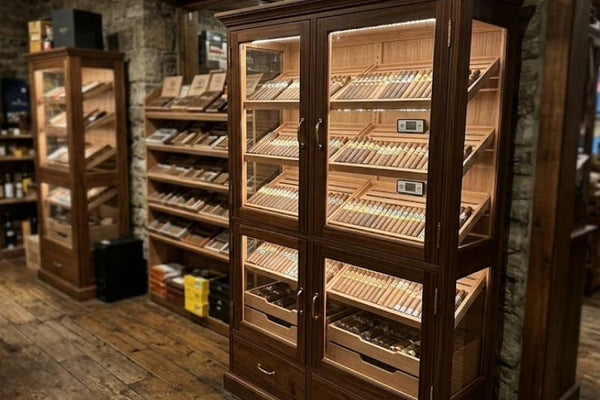
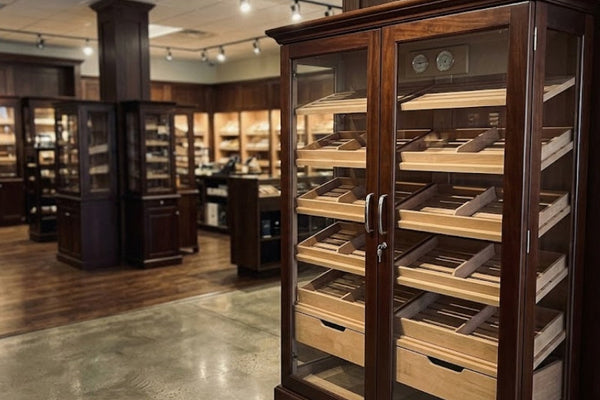
    When storage is essential to the room, why hide it? A built-in humidor wall can turn cigar preservation into one of the primary design features. Glass-front humidor cabinetry can display a collection while keeping the room visually open, while custom cabinetry can be designed around the available wall dimensions instead of forcing the room to accommodate a standard piece of furniture.

    This concept is especially useful for cigar retailers, clubs, and hospitality spaces where presentation matters alongside capacity. The cabinetry should be planned around access, visibility, and maintenance rather than simply maximizing the number of cigars stored. Spanish cedar can bring a traditional cigar-storage character to the room while also supporting the preservation environment. Keep surrounding furniture relatively simple so the humidor wall remains the focal point.

    5. Cigar Room With Individual Lockers

    Individual cigar lockers can make a compact room feel like a private club without consuming the floor space that a large collection of freestanding storage would require. A wall of lockers creates a strong architectural feature and gives members or customers a dedicated place for their cigars. For cigar lounges and clubs, this approach can also support a membership experience because storage becomes part of the service rather than simply a utility.

    The locker wall can be paired with a small seating area, narrow side tables, and understated lighting. Numbered or labeled compartments can add an organized commercial feel, while wood finishes can soften the overall appearance. When planning the layout, leave enough clearance for members and staff to access lockers comfortably. A compact room can still feel premium when circulation is considered from the beginning rather than trying to squeeze storage into whatever space remains.

    6. Luxury Whiskey and Cigar Room

    Whiskey and cigars naturally lend themselves to a sophisticated private-room concept, but a small footprint means the bar needs to stay compact. A narrow bottle display, two comfortable chairs, and a dedicated surface for drinks can establish the concept without turning the room into a full-size entertaining area. Vertical shelving is particularly useful because it gives you storage without sacrificing valuable floor space.

    Cigar storage should have its own clearly defined place rather than being treated as an accessory to the bar. A compact humidor can sit within reach of the seating area while glassware and bottles occupy another zone. Lighting can help separate these functions visually, with focused illumination over the bottle display and softer light around the seating. For hospitality businesses, this type of room can also function as a premium private space where the design communicates quality before a guest even sits down.

    7. Corner Cigar Lounge

    Sometimes you do not have a room to dedicate at all. A corner cigar lounge can transform an underused section of a larger commercial or residential space into a defined cigar area. One statement chair or a compact loveseat can establish the seating zone, while vertical storage keeps the footprint small. A narrow table provides enough surface area for a drink, ashtray, or other essentials without creating an obstruction.

    The strongest corner lounges use visual boundaries rather than physical walls. A change in flooring, a feature wall, a pendant light, or a tall storage unit can distinguish the cigar area from the surrounding space. This is particularly useful in hospitality environments where operators want to create a cigar-friendly zone without sacrificing valuable seating elsewhere. The design should feel like a deliberate destination, not a chair pushed into an unused corner.

    8. Walk-In Humidor-Inspired Cigar Room

    A small cigar room can borrow the visual language of a walk-in humidor without becoming a full walk-in storage project. Spanish cedar walls or cabinetry, organized display shelving, warm wood tones, and carefully positioned lighting can make the room feel purpose-built around cigars. This approach works particularly well when the collection itself is part of the experience. Instead of treating storage as something that needs to be hidden, the design makes it part of the room's identity.

    For a commercial cigar shop or lounge, this concept can create a stronger connection between the seating area and the products being stored. Keep the seating compact and let the cabinetry occupy the vertical plane. Temperature and humidity control still need to be planned around the actual storage requirements, but the room does not need to become technically complicated simply to achieve the aesthetic. The objective is to create a cohesive cigar-focused environment where storage, display, and seating feel like parts of the same design.

    9. Contemporary Glass Cigar Room

    Glass can be a powerful tool when a small cigar room needs to feel more open. Glass partitions, interior windows, or glass-front display cabinetry allow light to move through the space instead of creating a visual barrier. In a commercial setting, this can also let customers see into a private cigar area while maintaining a sense of separation from the main business.

    The surrounding materials should stay relatively restrained. Dark cabinetry against clear glass can create a sophisticated contrast, while lighter walls and flooring can make the room feel larger. Frosted or partially obscured glass can be useful when privacy is important without completely closing off the room visually. If the space includes cigar storage, make sure the cabinetry and environmental controls are designed for that purpose rather than selecting glass simply for appearance. The best result is a room that looks airy from outside but still functions as a dedicated cigar environment.

    10. Home Office Cigar Lounge

    Combining a home office and cigar lounge makes sense when a separate cigar room is not practical. The trick is to give both functions their own defined zones. A compact desk can occupy one wall while a comfortable lounge chair sits opposite it, leaving enough space between the two areas to move naturally. Storage should follow the same principle, with work supplies kept away from the cigar area.

    A compact electronic humidor can provide dedicated storage while taking up very little floor space. Keep the office side visually clean so the room does not feel like a storage closet with a chair in it. Materials can bridge both functions, such as a wood desk paired with leather seating and understated metal fixtures. For homeowners who work from the same room where they relax, this layout can make a limited footprint significantly more useful without sacrificing the feeling of having a dedicated retreat.

    11. Dark Academia Cigar Room

    Dark academia offers a natural design language for cigar rooms because both styles favor rich materials, bookshelves, warm lighting, and a sense of history. Deep wood tones, leather furniture, framed artwork, and vintage-inspired fixtures can create an intimate environment that feels established even when the room itself is relatively small. A floor-to-ceiling bookcase can provide substantial visual impact while using the room's vertical dimension.

    Avoid overcrowding the shelves. A curated selection of books, objects, and cigar-related pieces will look more sophisticated than a wall packed from floor to ceiling. One substantial chair can be more effective than several smaller pieces of furniture. If the room is intended for a business, consider how the aesthetic fits the brand and customer base. Dark academia can work particularly well for boutique cigar retailers, private clubs, or hospitality venues looking for an environment that feels distinctive rather than generic.

    12. Hotel-Lounge-Inspired Cigar Room

    Hotel lounges tend to get the balance between comfort and sophistication right, which makes their design language useful for a small cigar room. Upholstered seating, small side tables, soft lighting, and sleek storage can create a polished environment without relying heavily on decoration. The room should feel comfortable enough for a guest to spend an hour or two without making the space appear residential.

    For a commercial application, durability matters as much as appearance. Upholstery should be selected with regular use and maintenance in mind, while tables should be stable enough for drinks and cigar-related items. Lighting should create a warm atmosphere while still providing enough visibility for staff and guests. A hotel-inspired concept is especially effective for restaurants, bars, and hotels that want to add a premium cigar experience without constructing a large dedicated lounge.

    13. Executive Cigar Retreat

    An executive cigar room can take inspiration from a high-end private office while putting relaxation ahead of work. A substantial desk is not necessary. Instead, use a refined lounge chair, a compact writing surface, quality cabinetry, and a small drink station. This gives the room a professional character without allowing office furniture to dominate the experience.

    The concept works especially well in private clubs, executive suites, and upscale residential properties. Materials such as dark walnut, leather, brushed metal, and textured fabrics can communicate quality without requiring elaborate decoration. Keep technology discreet, with charging points and controls integrated into cabinetry where possible. The fewer visible distractions in the room, the more intentional the experience feels.

    14. Boutique Cigar Display Room

    A boutique display room puts the collection at the center of the design. Rather than creating a traditional lounge with a large amount of seating, dedicate most of the visual real estate to organized cigar presentation and use one or two seats for sampling or private conversations. This approach is particularly relevant to cigar retailers that need to make products easy to browse while maintaining an upscale atmosphere.

    Glass display cabinetry, focused lighting, and carefully organized storage can create a retail environment that feels closer to a luxury showroom than a conventional store. Keep the floor clear and use vertical surfaces efficiently. A small consultation table can provide a place for staff to discuss cigars with customers without requiring a large seating area. This model is also adaptable for private collectors who want their collection to function as part of the room's décor.

    15. Private Club Cigar Nook

    A private club cigar nook is designed around intimacy. Instead of trying to reproduce a full lounge in a small room, focus on creating one excellent seating experience. Two chairs, a small table, subtle lighting, and dedicated storage can be enough to establish a private destination. A textured wall, wood paneling, or architectural feature behind the seating can provide the visual anchor.

    This idea can be especially effective within larger cigar lounges where smaller private areas give members different ways to use the facility. It can also work in restaurants, hotels, and clubs where a full cigar room is not feasible. The commercial value comes from making limited space feel exclusive. When every element has a purpose, a compact room can feel more premium than a larger room filled with unnecessary furniture.

    Features That Make a Small Cigar Room Feel Luxurious

    The room concept determines the personality, but the individual features determine whether the space actually works. A beautiful cigar room can quickly become frustrating if storage is undersized, seating blocks access, or environmental equipment is added after the design is finished. The best small rooms treat these practical considerations as part of the aesthetic rather than as technical details to hide later.

    For commercial projects, this becomes even more important because the room has to work repeatedly for customers and staff. A private cigar club may need secure member storage, while a retailer needs accessibility and product visibility. A hotel or restaurant may prioritize guest comfort and straightforward maintenance. The right features depend on the business model, but several elements consistently deserve attention during planning.

    Feature Best use in a small room Key planning consideration
    Humidor cabinets Product storage and display Capacity, access, and placement
    Electronic humidors Compact cigar storage Power access and maintenance
    Cigar lockers Clubs and membership spaces Secure access and wall layout
    Ventilation and air filtration Smoke management Coordinate with the room design early
    Layered lighting Ambiance and product display Avoid harsh, uniform illumination
    Compact seating Limited footprints Preserve comfortable circulation
    Bar storage Whiskey and cigar concepts Use vertical or narrow cabinetry
    Spanish cedar Cigar-focused interiors Use where appropriate for storage
    Temperature and humidity control Cigar preservation Size equipment for the actual application
    Vertical storage Maximizing usable space Maintain comfortable access
    Glass display cabinetry Retail and showcase rooms Balance visibility with function


    Humidor and Storage Planning

    Storage should be one of the first design decisions, not something selected after the furniture is already in place. A small room has little tolerance for oversized cabinetry, but cutting storage too aggressively can create problems as the collection grows. Think about the expected inventory, how often it will be accessed, whether customers or staff need direct access, and whether the room is primarily residential or commercial.

    In a club or lounge, cigar lockers can make better use of wall space than multiple freestanding units while also creating an additional member amenity. In a retail environment, display-oriented cabinetry can help merchandise become part of the room's visual experience. For a private collector, the priority may instead be capacity, organization, and easy access. The storage solution should follow the room's purpose rather than forcing every project into the same configuration.

    Air Quality, Lighting, and Comfort

    A cigar room needs to account for smoke from the beginning. Ventilation and air filtration should be coordinated with the overall room design, particularly in commercial settings where occupant comfort and building requirements matter. Air purification paired with smoke eaters can support cleaner indoor air, but the equipment should be selected and positioned according to the room's size and expected use. Detailed pressure and smoke-control engineering is a separate planning exercise, so the focus here is making sure air management is not treated as an afterthought.

    Lighting and seating have an equally noticeable effect on comfort. Layered lighting can provide general illumination, task lighting, and accent lighting without making the room feel clinical. Seating should support the amount of time guests are expected to spend in the space, while side tables should be positioned so guests can comfortably reach drinks and cigar-related items. Accessories such as lighters, cutters, and ashtrays should have designated places rather than accumulating randomly on every available surface.

    Materials, Humidity, and Vertical Space

    Material selection should support the intended character while remaining appropriate for the room's function. Spanish cedar can reinforce a traditional cigar aesthetic and is commonly associated with cigar-storage applications, while woods such as mahogany can create a more upscale furniture finish. The important point is to distinguish decorative woodwork from components that actually need to function as part of the cigar-storage environment.

    Temperature and humidity control also need to be considered according to the storage system being used. A storage cabinet and a larger dedicated humidor room have different requirements, so sizing equipment based solely on the room's visual dimensions can lead to an unsuitable setup. Vertical storage is another practical advantage in small spaces. Using the walls effectively can increase capacity while preserving floor space for seating and circulation, which is often the difference between a compact room that feels luxurious and one that feels crowded.

    Designing a Small Cigar Room for Commercial Use

    A commercial cigar room has a different job from a residential retreat. It needs to look good, but it also has to support customer movement, staff access, product handling, cleaning, maintenance, and the specific experience the business is selling. A design that looks impressive in a photograph may not work well if employees have to move around oversized furniture or if customers cannot comfortably access storage.

    Before choosing finishes, establish the room's primary purpose. Is it a member lounge, a retail display area, a private tasting room, or an amenity within a hotel or restaurant? That answer should influence almost every subsequent decision. A membership club may benefit from lockers and comfortable long-stay seating, while a retailer may need stronger product visibility. A hospitality venue may need a balance between privacy, guest comfort, and easy staff service.

    For small spaces, circulation deserves particular attention. Leave clear paths around seating, storage, and entrances rather than maximizing every available inch. Consider where staff will stand, where products will be accessed, and how guests will move when several people occupy the room. Small rooms become uncomfortable quickly when doors, chairs, cabinets, and service areas compete for the same few feet.

    A practical planning process can be summarized as:

    • Define the room's commercial purpose and expected users.
    • Determine storage capacity before selecting furniture.
    • Establish seating and circulation zones.
    • Plan environmental and air-quality requirements early.
    • Use vertical surfaces to increase function without consuming floor space.
    • Select lighting and finishes that reinforce the intended brand experience.
    • Leave reasonable access for cleaning, servicing, and future adjustments.

    At Your Elegant Bar, we've helped multiple clients here at Your Elegant Bar think through cigar storage and lounge environments so the finished space is not only attractive but functional. Our experience with cigar shops, lounges, retailers, clubs, restaurants, and other hospitality settings allows us to look at the relationship between storage, presentation, environmental needs, and the way people actually use a room. That practical guidance can be especially valuable when you're working with a small footprint where one poor layout decision can affect the entire space.

    Bringing Your Small Cigar Room Vision Together

    Photo credit: RandeVoo Lounge in Mableton, GA, a Your Elegant Bar customer

    Creating a luxe cigar room in a limited footprint comes down to making every element work together. From classic gentlemen’s lounges and moody speakeasy designs to built-in humidor walls, cigar lockers, compact bars, and contemporary glass spaces, the right concept can make a small room feel intentional and inviting. Smart seating, vertical storage, lighting, temperature and humidity control, Spanish cedar, and properly planned air management can further improve both comfort and function without overwhelming the space.

    At Your Elegant Bar, we’ve helped cigar collectors, retailers, lounges, clubs, restaurants, and hospitality businesses since 2016 with practical cigar storage and lounge solutions. We provide custom and ready-to-ship cigar cabinet humidors, cigar lockers, humidifiers, accessories, smoke eaters and air purifiers, along with design guidance for more specialized projects.

    Whether you're opening a cigar lounge or upgrading an existing room, contact us today and let us help you plan a space that looks refined and works properly.

    Frequently Asked Questions

    1. How can I make a small cigar room feel more spacious?

    Use vertical storage, compact furniture, glass cabinetry, and layered lighting to keep the floor visually open. Avoid overcrowding the room and give each major feature enough space to breathe.

    2. What type of seating works best in a small cigar room?

    One or two comfortable lounge chairs or a compact loveseat usually work better than bulky sectional furniture. Choose seating based on how long guests will typically stay and leave enough clearance for comfortable movement.

    3. What cigar storage works best for a small room?

    Humidor cabinets, electronic humidors, and cigar lockers can all work well, depending on whether the room is residential, retail, or membership-based. Vertical storage is particularly useful because it increases capacity without taking up valuable floor space.

    4. How should smoke control be considered in a small cigar room?

    Plan ventilation and air filtration before the room is finished so equipment can be properly integrated into the space. Air purification paired with smoke eaters can help manage indoor pollutants and support a cleaner, more comfortable environment.

    5. Can a small cigar room work for a cigar shop or lounge?

    Absolutely. A smaller room can function as a private member area, product display room, tasting space, or premium customer retreat when storage, circulation, seating, and air quality are planned around the business's specific needs.

    Ben Singh
    Ben Singh

    Ben Singh is recognized as a trusted voice in the cigar world, known for his hands-on work with humidors, humidifiers, and smoke control solutions. Since 2015, he’s helped shape how collectors, lounges, and retailers store and protect their cigars. Ben’s design input, honest reviews, and presence at major cigar shows have earned him respect from industry pros and fellow enthusiasts alike.

    Leave a comment

    Comments will be approved before showing up.

    Blog posts

    Expert strategies, setup parameters, relative humidity maintenance checklists, and reviews directly from business owners.